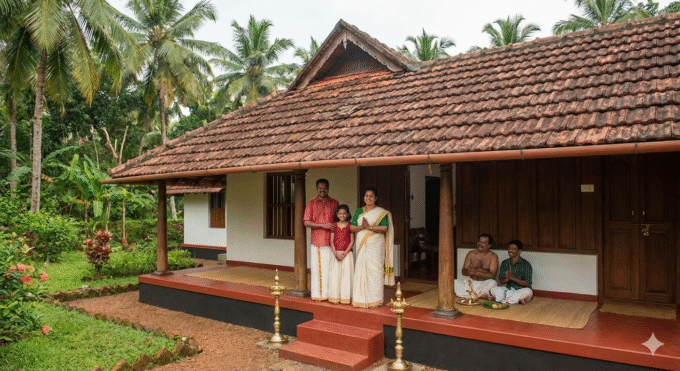

India is a fascinating destination for families seeking adventure, relaxation, and unforgettable experiences. From golden beaches and peaceful hill stations to thrilling wildlife encounters, the country offers something for every generation. Whether your children enjoy building sandcastles, exploring mountain trails, or spotting animals in their natural habitats, India provides endless opportunities for memorable family adventures. Choosing the right destination depends on your family’s interests, children’s ages, and preferred travel season.
Planning a family holiday in India from the UK becomes easier when you understand what different destinations offer. Some families prefer relaxing beach resorts, while others enjoy cooler mountain escapes or exciting wildlife safaris. Each experience offers unique opportunities for discovery, adventure, and quality time together. With thoughtful planning, family holidays in India can combine comfortable accommodation, engaging activities, and cultural experiences that appeal to children and adults alike.
1. Beach Holidays in India: Sunshine, Sand and Relaxation
India’s beautiful coastline offers excellent opportunities for families who enjoy sunshine, swimming, and relaxing seaside experiences. With tropical beaches, family-friendly resorts, and coastal attractions, beach destinations are particularly appealing to travellers escaping the colder British months.
Goa – Perfect for a Relaxing Family Beach Holiday
Goa is one of India’s most popular coastal destinations, offering beautiful beaches, comfortable resorts, and a welcoming holiday atmosphere.
Families can explore quieter beaches such as Benaulim, Colva, and Palolem, where children can enjoy supervised beach activities and relaxing walks.
Many resorts feature swimming pools, spacious family rooms, and children’s entertainment facilities.
Beyond the beaches, families can explore Portuguese-influenced architecture, historic churches, and colourful local markets.
Best time to visit: November to March, when the weather is generally warm and relatively dry.
Kerala – Tropical Beaches and Backwater Adventures
Kerala offers a wonderful combination of coastal relaxation, lush landscapes, and cultural experiences.
Families can visit Kovalam or Marari Beach, explore peaceful backwaters, and discover traditional village life.
A houseboat journey through Alleppey’s waterways can be particularly memorable for children, offering views of coconut plantations, fishing boats, and scenic countryside.
Best time to visit: October to March, although rainfall may continue into the early part of this period.
Kerala is ideal for families who want a combination of relaxation and gentle adventure.
2. Hill Holidays in India: Cool Weather and Scenic Adventures
India’s hill stations provide refreshing alternatives to warmer coastal destinations. Surrounded by forests, mountains, and beautiful valleys, these locations are particularly attractive during the British summer school holidays.
Shimla – Mountain Charm and Family Activities
Shimla is a charming Himalayan hill station known for its scenic surroundings, historic architecture, and pleasant summer weather.
Families can enjoy walks along Mall Road, explore nearby Kufri, and experience the famous Kalka–Shimla toy train.
Children may particularly enjoy the train journey as it passes through tunnels, forests, and mountain landscapes.
Best time to visit: March to June for pleasant weather, with winter offering colder conditions and occasional snowfall.
Shimla is suitable for families who enjoy sightseeing, nature, and relaxed mountain experiences.
Darjeeling – Tea Gardens and Himalayan Views
Darjeeling offers spectacular mountain scenery, peaceful tea plantations, and fascinating cultural attractions.
Families can experience the Darjeeling Himalayan Railway, explore tea estates, and visit the Himalayan Mountaineering Institute.
On clear mornings, the region provides breathtaking views of Kanchenjunga.
Best time to visit: March to May and October to November.
Darjeeling is especially appealing to families who enjoy educational experiences and beautiful natural surroundings.
Kashmir – Lakes, Gardens and Mountain Landscapes
Kashmir is famous for its beautiful valleys, peaceful lakes, and impressive mountain scenery.
Families can enjoy a shikara boat ride on Dal Lake, explore Srinagar’s Mughal gardens, and admire the landscapes around Pahalgam.
Best time to visit: April to June for gardens and pleasant sightseeing conditions.
Families should check current travel advisories and local conditions before planning a visit.
3. Wildlife Holidays in India: Adventure and Nature
For families with curious children who love animals, India’s wildlife destinations offer exciting opportunities to observe nature and learn about conservation.
National parks and wildlife reserves provide guided safari experiences where visitors may encounter deer, birds, monkeys, elephants, and occasionally big cats.
Ranthambore National Park – Discover India’s Tigers
Located in Rajasthan, Ranthambore is one of India’s best-known tiger reserves.
Families can join guided vehicle safaris through forest landscapes while learning about wildlife habitats and conservation.
Although tiger sightings are never guaranteed, the park is home to numerous other animals and bird species.
Best time to visit: October to June, depending on safari-zone opening schedules.
Ranthambore combines conveniently with Jaipur, making it an attractive addition to a Rajasthan family itinerary.
Jim Corbett National Park – Forests and Wildlife Experiences
Jim Corbett National Park in Uttarakhand offers beautiful forests, rivers, and diverse wildlife.
Families can explore authorised safari zones with experienced guides and learn about India’s natural environment.
The surrounding region also offers nature-focused accommodation and peaceful countryside experiences.
Best time to visit: November to June for many safari experiences, although access varies by zone.
This destination is particularly appealing to families who enjoy outdoor adventures.
Kaziranga National Park – See the One-Horned Rhinoceros
Kaziranga in Assam is famous for its population of greater one-horned rhinoceroses.
Families can enjoy guided jeep safaris and observe wildlife across grasslands and wetlands.
Best time to visit: November to April, subject to seasonal park operations.
Kaziranga offers a distinctive wildlife experience beyond India’s traditional tiger reserves.
4. Which Type of Holiday Is Best for Your Family?
Choosing between beaches, hills, and wildlife depends largely on your children’s ages and interests.
Families with toddlers: Beach resorts with swimming pools, spacious rooms, and relaxed schedules may provide the greatest convenience.
Families with school-age children: Hill stations offer scenic train journeys, gentle nature walks, and opportunities to discover local cultures.
Families with teenagers: Wildlife safaris and mountain adventures can provide exciting experiences and educational opportunities.
Families travelling with grandparents may prefer destinations offering comfortable transport, accessible attractions, and flexible sightseeing arrangements.
The most enjoyable holiday is one that balances everyone’s interests without creating an exhausting itinerary.
5. Best Time to Plan Your Family Adventure
India’s regional climate plays an important role in choosing the right holiday experience.
October to March: Generally ideal for Goa, Kerala, Rajasthan, and many wildlife destinations.
April to June: Suitable for selected Himalayan hill stations, although some wildlife reserves also remain open during hotter months.
July to September: The monsoon brings lush greenery but can affect beaches, mountain roads, and national park access.
For families travelling during Christmas holidays, coastal destinations provide an appealing escape from the British winter.
Those travelling during Easter or summer school breaks should carefully consider regional temperatures and rainfall.
6. Can You Combine Beaches, Hills and Wildlife in One Trip?
Families with ten to fourteen days available may enjoy combining different experiences rather than choosing just one.
A Kerala itinerary could include Munnar’s tea plantations, Thekkady’s wildlife surroundings, and the beaches near Marari.
Alternatively, families exploring northern India could combine Delhi, Jaipur, and Ranthambore for cultural sightseeing and wildlife adventures.
When combining destinations, avoid unnecessary long-distance transfers. Choosing attractions within the same region helps create a more comfortable journey.
A well-balanced itinerary should also include rest days, particularly when travelling with younger children.
7. Essential Tips for a Comfortable Family Holiday
Careful preparation can make travelling around India more enjoyable for the entire family.
- Choose suitable accommodation: Look for family rooms, reliable facilities, and convenient locations.
- Plan comfortable transportation: Private vehicles can provide flexibility, especially when travelling with children.
- Pack according to the climate: Bring lightweight clothing for beaches and warmer layers for mountain destinations.
- Prioritise safety: Follow beach safety guidance, wildlife park regulations, and local weather advisories.
- Include relaxation time: Avoid scheduling too many activities in one day.
- Prepare travel documents: Check passport validity, Indian visa requirements, and comprehensive travel insurance before departure.
Families should also consult a travel healthcare professional about recommended vaccinations and other health precautions.
Conclusion
India offers an extraordinary variety of family holiday experiences, from Goa’s golden beaches and Shimla’s beautiful mountains to Ranthambore’s exciting wildlife adventures.
Whether your family prefers coastal relaxation, scenic hill stations, or unforgettable encounters with nature, choosing destinations according to children’s interests and seasonal conditions can create a rewarding travel experience.
Indian Odyssey is a UK based travel company creating personalised India journeys designed around individual family preferences. With thoughtfully selected destinations, comfortable accommodation, and carefully planned activities, families can discover India’s remarkable diversity while creating cherished memories together.