People considering complementary treatments often want to understand whether a procedure is suitable for their health needs and circumstances. Ozone Therapy in Dubai is an alternative treatment approach that uses medical ozone, a reactive form of oxygen, and has been investigated for selected concerns involving wound care, musculoskeletal pain, and other conditions. However, its effectiveness and safety vary according to the method used and the condition being treated. A suitable candidate should undergo a medical assessment and understand the available evidence before considering treatment.
Understanding Who May Be Suitable for Ozone Therapy
There is no single profile that makes someone an ideal candidate for ozone therapy. Suitability depends on the person’s diagnosis, medical history, current treatment, and the specific ozone procedure being proposed.
Some applications have been studied as complementary approaches for particular conditions, but the evidence remains limited or inconsistent for many claimed benefits. Ozone therapy should not be considered a universal treatment for illness, and it should not replace established medical care.
A healthcare professional should explain the purpose of the proposed treatment, the evidence supporting it, the potential risks, and any suitable alternatives.
People Exploring Complementary Options for Selected Conditions
Some individuals investigate ozone therapy when they are looking for additional options to discuss with their healthcare provider.
Research has examined selected applications involving chronic wounds, certain musculoskeletal problems, and local antimicrobial uses. However, the quality of evidence differs considerably between these applications, and positive findings in one area cannot establish effectiveness in another.
Anyone considering ozone therapy should first receive an appropriate diagnosis and discuss evidence-based treatments. A complementary procedure should only be considered when its potential benefits and risks have been clearly explained.
Individuals With Certain Wound-Care Concerns
Ozone-related preparations and local applications have been investigated for selected wound-care situations, including chronic wounds.
The proposed effects include antimicrobial activity and changes in the local wound environment. Nevertheless, clinical results are mixed, and evidence is not strong enough to assume that ozone therapy will reliably heal every type of wound.
People with diabetic foot ulcers, poor circulation, pressure sores, or wounds that are not healing need professional medical assessment. Appropriate wound cleaning, pressure management, circulation assessment, infection control, and management of underlying conditions remain essential.
Ozone therapy should never delay urgent wound care or replace established treatment.
People With Selected Musculoskeletal Conditions
Certain oxygen–ozone procedures have been studied for musculoskeletal concerns, including some forms of back pain associated with spinal disc problems.
Some studies have reported improvements in pain or function, but the results vary according to the condition, procedure, and quality of the research.
A person with persistent back or joint pain should undergo a clinical assessment to determine the underlying cause. A healthcare professional can discuss established treatment options, such as physiotherapy, appropriate medication, rehabilitation, or other indicated interventions.
Ozone-based procedures should only be considered after a careful discussion of the evidence, alternatives, and procedure-specific risks.
People Seeking Treatment for Infections or Inflammation
Ozone has antimicrobial properties in certain controlled settings, and researchers have investigated its potential effects on inflammatory pathways.
However, these findings do not establish that ozone therapy can safely treat infections or chronic inflammatory diseases throughout the body. Laboratory effects cannot automatically be translated into clinical benefits.
People with suspected infections, persistent inflammation, autoimmune conditions, or unexplained symptoms should seek appropriate medical care. Ozone therapy should not replace prescribed antibiotics, anti-inflammatory medication, or other treatments recommended for a diagnosed condition.
The Importance of Medical History and Overall Health
A person’s medical history is an important part of determining whether a procedure is appropriate.
Before considering ozone therapy, a healthcare professional should review:
-
Existing medical conditions and previous surgeries
-
Current prescription medicines and supplements
-
Allergies and previous reactions to medical procedures
-
Pregnancy or breastfeeding status
-
The condition being treated and its severity
-
Previous treatments and their outcomes
-
The proposed method of ozone administration
These details help identify potential risks and determine whether another treatment would be more appropriate.
Because evidence about ozone therapy’s safety remains limited for many applications, people with complex medical conditions should be particularly cautious and consult the clinician managing their condition.
Who May Need to Avoid or Postpone Treatment?
Whether ozone therapy should be avoided depends on the proposed procedure and the individual’s circumstances. A qualified healthcare professional must assess the relevant risks rather than relying on a general suitability checklist.
Treatment may need to be postponed when a person has an active infection at the intended treatment site, significant skin irritation, or another condition that could complicate the procedure.
Extra caution is necessary for people with serious or unstable medical conditions, those taking medicines that may affect procedural safety, and individuals who are pregnant or breastfeeding because reliable safety information is limited.
Anyone who has been advised to avoid a particular injection or invasive procedure should discuss this with their healthcare provider before considering an ozone-based alternative.
Ozone gas must never be inhaled. Inhalation can injure the lungs and respiratory tract. Any medical procedure involving ozone must use appropriate equipment and controls to prevent exposure.
How a Professional Assessment Helps Determine Suitability
A consultation should focus on the person’s health needs rather than simply recommending a procedure.
The assessment may involve the following steps:
Reviewing the Diagnosis
The practitioner should establish what condition is being treated and whether further examination or testing is needed.
Discussing the Evidence
The healthcare professional should explain what research shows for the specific condition and administration method, including uncertainties and limitations.
Reviewing Risks and Alternatives
Potential complications, expected recovery, established treatments, and the consequences of delaying standard care should be discussed.
Establishing Realistic Expectations
The practitioner should explain what outcomes can reasonably be assessed and why improvement cannot be guaranteed.
A clear consultation allows individuals to make an informed decision instead of relying on broad claims about detoxification, immunity, or general wellness.
Questions to Ask Before Considering Ozone Therapy
Before agreeing to treatment, consider asking the healthcare professional:
-
What specific condition is this procedure intended to address?
-
What clinical evidence supports its use for that condition?
-
What are the risks associated with the proposed administration method?
-
Are there better-established alternatives?
-
Could the procedure interfere with my current treatment?
-
How will the outcome be assessed?
-
What symptoms or complications would require medical attention?
The answers should be specific to the proposed procedure and the individual’s health circumstances.
Safety Considerations and Realistic Expectations
Ozone therapy is not equally supported by evidence for all medical applications. Some uses have been investigated in clinical studies, while others have little reliable evidence of benefit. Long-term safety information is also limited for many protocols.
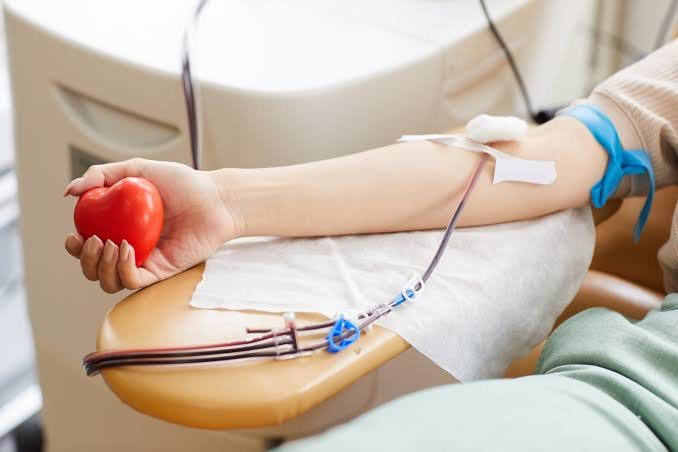
Potential risks depend on the administration method and may include local irritation, discomfort, infection, or more serious procedure-related complications. Certain blood-based or injection procedures can carry additional risks when performed incorrectly.
People should be cautious of providers who promise to cure serious diseases, replace conventional treatment, or deliver guaranteed results. A responsible healthcare professional should explain uncertainties openly and encourage continued appropriate medical care.
Conclusion
A potential candidate for ozone therapy is someone whose specific health concern has been medically assessed and for whom the proposed procedure has been carefully evaluated in terms of evidence, safety, and alternatives. Selected applications have been researched for wound care and certain musculoskeletal conditions, but effectiveness remains uncertain for many uses.
Suitability cannot be determined by general health goals alone. Medical history, existing conditions, medications, and the proposed method of administration all matter. Ozone therapy should not replace established treatment, and inhaling ozone gas is dangerous.
Before considering Ozone Therapy in Dubai, consult a qualified healthcare professional who can explain the available evidence, potential complications, and more established treatment options relevant to your condition.
Frequently Asked Questions
Who is a good candidate for ozone therapy?
Suitability depends on the diagnosed condition, medical history, proposed administration method, and available evidence. A qualified healthcare professional should assess these factors before treatment is considered.
Can healthy people receive ozone therapy for general wellness?
There is insufficient reliable evidence to establish that ozone therapy improves general wellness or prevents disease in healthy people. Broad claims about detoxification or immune enhancement should be treated cautiously.
Can ozone therapy help with chronic pain?
Some applications have been studied for selected musculoskeletal conditions, but the evidence varies. A medical assessment is important to identify the cause of pain and discuss established treatment options.
Is ozone therapy suitable for people with chronic diseases?
Not automatically. People with chronic conditions should consult the healthcare professional managing their care before considering an additional procedure.
Can ozone therapy treat infections?
Ozone has antimicrobial activity in controlled settings, but this does not mean that ozone therapy is a proven treatment for infections throughout the body. It should not replace appropriate medical treatment.
Is ozone therapy safe during pregnancy or breastfeeding?
Reliable safety evidence is limited. Elective ozone therapy should generally be avoided during pregnancy and breastfeeding unless a qualified healthcare professional provides specific guidance based on the circumstances.
Can ozone therapy replace medication or conventional treatment?
No. It should not replace prescribed medication, delay diagnosis, or substitute for established treatment without guidance from the healthcare professional responsible for your care.
How can I find out whether ozone therapy is appropriate for me?
Arrange a consultation with a qualified healthcare professional. Ask about the evidence for your specific condition, the proposed procedure, possible risks, and available alternatives before making a decision.