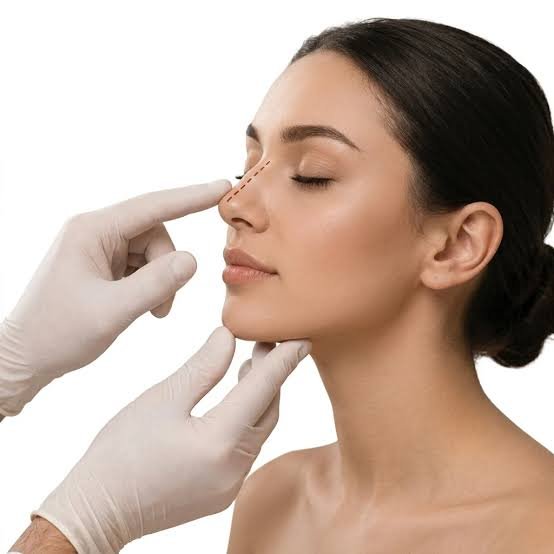
The nose plays an important role in the overall appearance of the face because of its central position and relationship with surrounding features. When the nose appears too wide, prominent, crooked, or out of balance with the chin and forehead, some people consider surgery to refine its shape. Rhinoplasty can modify the size, contour, and proportions of the nose to create a more balanced appearance. For people exploring Rhinoplasty in Dubai, understanding how nasal reshaping influences facial harmony can help them develop realistic expectations. The goal is not to create a universally perfect nose, but to achieve a result that suits the individual’s natural features.
The Relationship Between the Nose and Facial Proportions
Facial proportions describe how different features relate to one another in size, shape, and position. Since the nose sits in the centre of the face, even a small change in its contour can influence how the overall face is perceived. A prominent bridge, broad tip, or noticeable asymmetry may draw attention, while carefully planned reshaping can help the nose blend more naturally with the surrounding features. Rhinoplasty focuses on improving this relationship while respecting the patient’s individual anatomy.
Ways Rhinoplasty Can Improve Facial Balance
Rhinoplasty can address several nasal features that influence the appearance of facial proportions. The appropriate changes depend on the person’s concerns, nasal structure, and desired outcome.
-
Refining a prominent bridge: A visible hump or uneven bridge may be reshaped to create a smoother profile.
-
Adjusting nose width: In suitable cases, the nasal bones or nostrils can be modified to reduce excessive width.
-
Reshaping the nasal tip: A broad, bulbous, drooping, or unusually upturned tip may be refined to better complement the rest of the nose.
-
Improving nasal symmetry: Selected structural changes can reduce the appearance of a crooked or uneven nose.
-
Adjusting the nose profile: Changes to the bridge and tip may help improve the relationship between the nose, forehead, lips, and chin.
Not every feature needs to be changed. A surgeon should identify which adjustments are likely to improve balance without creating unnecessary changes or affecting nasal function.
Balancing the Nose With the Chin and Forehead
Facial harmony depends on more than the nose alone. The size and projection of the chin, the shape of the forehead, and the proportions of the midface can influence how the nose appears from the side. For example, a smaller or less prominent chin can make the nose seem more noticeable in profile, even when the nose itself is within a typical range of proportions. A full facial assessment helps the surgeon understand these relationships before recommending surgery. In some cases, discussing the chin or other facial features may be helpful, although additional procedures are not automatically necessary.
The Importance of a Natural-Looking Result
A successful rhinoplasty plan should take individual facial characteristics into account rather than follow a single ideal nose shape. Facial structure varies naturally, and complete symmetry is not realistic for most people. The surgeon considers skin thickness, bone structure, cartilage strength, nasal width, and the patient’s personal preferences when planning changes. The aim is to create a nose that looks appropriate for the face, not one that appears obviously altered or out of proportion.
Important considerations during planning include:
-
Natural facial shape and proportions
-
Existing nasal asymmetry
-
Skin thickness and healing characteristics
-
Strength and position of nasal cartilage
-
Nasal airflow and internal structure
-
The patient’s personal goals and expectations
These factors help guide decisions about how much reshaping is appropriate and which techniques may be suitable.
Rhinoplasty and Breathing Function
Although many people seek rhinoplasty for cosmetic reasons, nasal structure also plays an important role in breathing. Changes to the bridge, septum, or supporting cartilage may affect airflow if they are not carefully planned. Patients who experience persistent nasal obstruction should mention it during the consultation, as the cause may involve a deviated septum, internal narrowing, or another condition. In selected cases, cosmetic reshaping and functional correction can be planned together. However, rhinoplasty does not automatically resolve every breathing problem, particularly when congestion is caused by allergies or inflammation.
Consultation and Personalized Surgical Planning
The consultation is an important part of determining whether rhinoplasty could improve facial proportions. The surgeon reviews medical history, examines the external nose and internal nasal passages, and discusses the changes the patient hopes to achieve. Photographs from different angles may help explain the relationship between the nose and the rest of the face. Patients should ask which changes are realistic, how surgery could affect breathing, and what limitations apply to their anatomy. A qualified surgeon should also explain possible complications and the recovery process before the patient makes a decision.
Recovery and Changes in Facial Appearance
The nose may look swollen immediately after surgery, so the early appearance does not represent the final result. Bruising and swelling often improve over the first few weeks, while more subtle swelling can take many months to settle. The final nasal contour may continue to refine for a year or longer, depending on the procedure and individual healing. Following postoperative instructions and attending follow-up appointments helps the surgical team monitor recovery. Patients should avoid judging the result too early or expecting immediate, perfectly defined proportions.
Risks and Limitations to Understand
Rhinoplasty is a surgical procedure, and its potential benefits must be weighed against its risks. Possible complications include bleeding, infection, reactions to anaesthesia, persistent swelling, numbness, scarring, uneven contours, changes in smell, breathing difficulties, and dissatisfaction with the result. Some patients may need further surgery. The outcome also depends on factors such as skin thickness, underlying anatomy, and healing response. A surgeon can improve selected aspects of nasal shape, but cannot guarantee perfect symmetry or make every requested change safely achievable.
Choosing a Rhinoplasty Provider in Dubai
People researching rhinoplasty in Dubai should look for a suitably qualified surgeon with experience in both nasal reshaping and the functional structures of the nose. It is useful to ask about the surgeon’s credentials, surgical approach, likely recovery period, follow-up arrangements, and how complications are managed. Before-and-after photographs can support the discussion, but results vary from one patient to another. Dynamic Life Clinic is one option to consider when researching cosmetic treatment providers. Patients should independently verify the treating professional’s qualifications, experience, and suitability for their needs before proceeding.
Frequently Asked Questions
Can rhinoplasty improve overall facial proportions?
Yes. Rhinoplasty can alter the nose’s size, shape, width, and profile, which may improve its relationship with other facial features. The degree of change depends on the person’s anatomy and surgical goals.
Can rhinoplasty make the face look more symmetrical?
It may improve the appearance of nasal asymmetry and contribute to a more balanced facial appearance. However, natural facial asymmetry is common, and perfect symmetry cannot be guaranteed.
Does rhinoplasty change the shape of the chin or cheeks?
No. Rhinoplasty changes the nose rather than directly altering the chin or cheeks. However, reshaping the nose can change how these features appear in relation to it.
How long does it take to see the final result?
Initial swelling generally decreases over the first few weeks, but subtle swelling can persist for months. The nose may take a year or longer to reach its more settled appearance.
Is rhinoplasty suitable for everyone?
No. Suitability depends on overall health, completed facial growth, nasal anatomy, breathing function, and realistic expectations. A consultation with a qualified surgeon is necessary to assess whether surgery is appropriate.
Conclusion
Rhinoplasty can improve facial proportions by refining the nose’s width, bridge, tip, profile, or symmetry. Because the nose is centrally positioned, carefully selected changes may create a more balanced relationship between the nose and features such as the forehead, lips, and chin. The best approach is individualized and should account for both appearance and breathing function. With realistic expectations, thorough assessment, and appropriate surgical planning, patients can better understand whether rhinoplasty may help them achieve a natural-looking result that complements their facial structure.