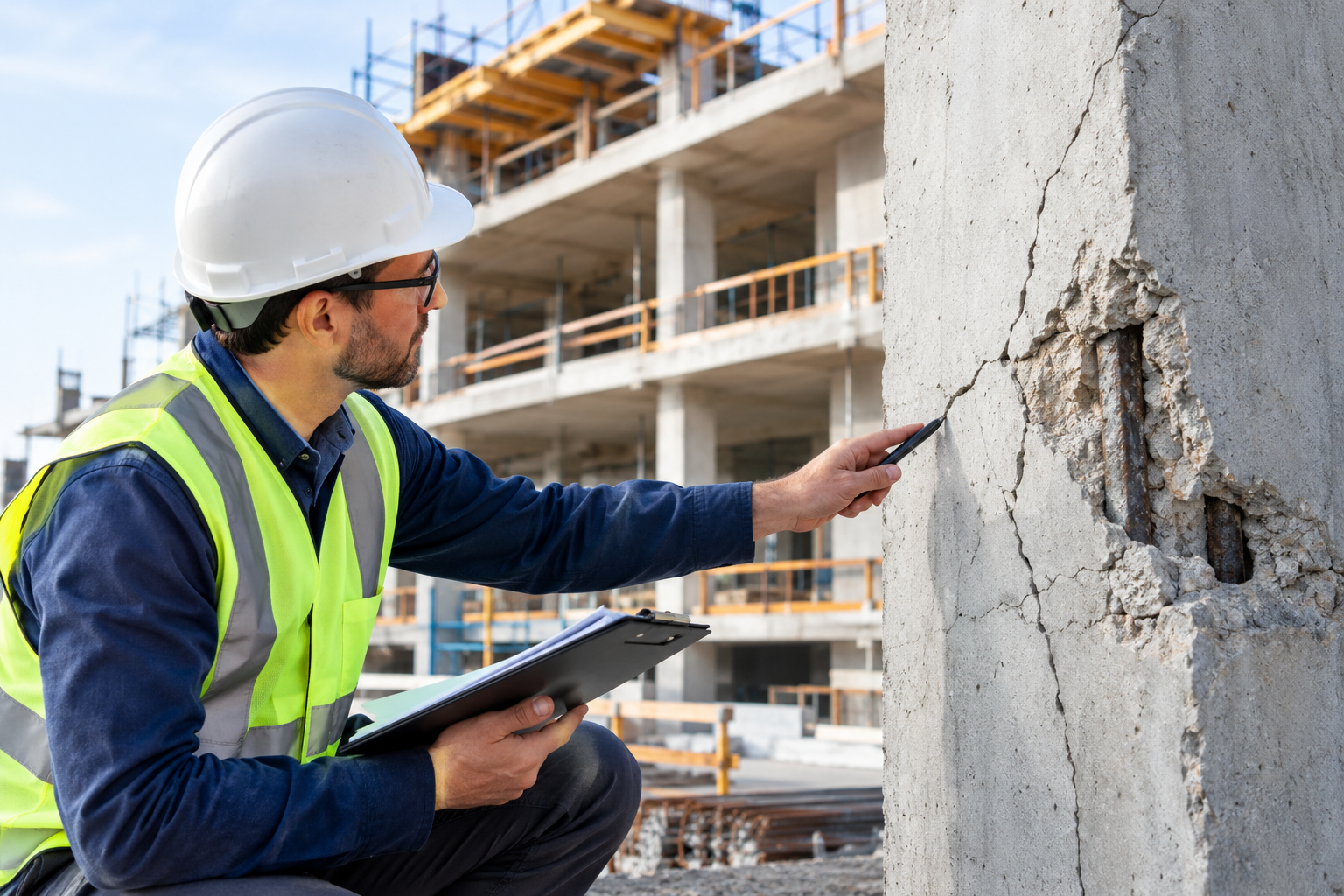
Construction defects can affect a building’s safety, durability, and long-term value, especially when problems develop in its foundation, walls, floors, or load-bearing components. A Construction Defect Structural Engineer helps identify these issues, determine their possible causes, and recommend appropriate repair solutions. Understanding common construction defects can help property owners, contractors, and building managers address structural concerns before they become more expensive or create serious safety risks.
What is a Construction Defect Structural Engineer?
A Construction Defect Structural Engineer is a qualified professional who evaluates building problems related to structural design, construction methods, materials, and workmanship. These engineers inspect buildings to determine whether observed damage is cosmetic, related to normal building movement, or a sign of a more serious structural concern.
Their work may involve reviewing construction drawings, examining cracks and deformations, measuring structural movement, assessing building materials, and preparing technical reports. Depending on the project, they may also coordinate with contractors, property owners, attorneys, and other engineering specialists.
For property owners dealing with unexpected damage, a structural assessment can help clarify what is happening and what steps should be taken next.
10 Common Construction Defects a Structural Engineer Can Identify
1. Foundation Cracks and Settlement
Foundation problems are among the most important issues a structural engineer can investigate. Cracks in foundation walls, uneven floors, sticking doors, and gaps around windows may indicate settlement or movement beneath a building.
Not every crack means a structure is unsafe. Engineers examine the crack’s location, width, direction, and pattern, along with soil conditions, drainage, and foundation design. Their findings help determine whether the problem is related to normal movement, poor construction, soil changes, or another underlying cause.
2. Concrete Cracking and Deterioration
Concrete can crack because of improper curing, excessive loading, shrinkage, reinforcement problems, or environmental exposure. In some cases, deterioration can reduce the strength and durability of concrete beams, columns, slabs, and foundations.
A structural engineer checks the extent of the damage and determines whether further testing is necessary. Depending on the findings, the repair plan may involve crack treatment, concrete replacement, reinforcement repairs, or structural strengthening.
3. Water Intrusion and Moisture Damage
Water entering a building can damage more than its interior finishes. Persistent moisture may contribute to corrosion of steel reinforcement, deterioration of building materials, timber decay, and damage to structural connections.
A structural inspection can help identify affected components and determine whether water intrusion has compromised their performance. The engineer may also examine roof details, exterior walls, drainage systems, and building joints to understand how moisture is reaching the structure.
4. Poorly Installed or Defective Structural Connections
Structural connections transfer loads between components such as beams, columns, roof framing, and bracing systems. Missing bolts, improperly installed fasteners, inadequate welds, or incorrect connection details can weaken these load paths.
A qualified engineer compares the actual construction with the approved drawings and applicable requirements. When a connection defect is found, the engineer can evaluate its significance and recommend suitable repairs or reinforcement.
5. Sagging Floors and Deflected Beams
Sloping floors, visibly sagging ceilings, and beams that bend more than expected can indicate excessive loading, inadequate structural sizing, material deterioration, or construction errors.
The engineer measures the deformation, reviews the framing layout, and evaluates the loads supported by the affected components. The goal is to determine whether the movement falls within acceptable limits or requires corrective action.
Property owners should seek prompt professional advice if sagging appears suddenly or is accompanied by cracking, unusual noises, or other signs of structural distress.
6. Wall Cracks and Structural Movement
Diagonal cracks around doors and windows, stair-step cracks in masonry, and cracks extending through several wall sections can indicate differential movement or other building problems.
A Forensic Engineer investigates the evidence to determine the likely cause rather than simply treating the visible crack. The investigation may include examining foundation movement, reviewing construction details, checking for moisture damage, and assessing whether structural loads are being transferred correctly.
This process helps distinguish cosmetic repairs from work that requires a more comprehensive structural solution.
7. Roof Framing Defects and Roof Damage
Roof structures must support their own weight, roofing materials, equipment, and environmental loads. Incorrectly installed trusses, weak connections, inadequate bracing, and deteriorated framing can affect roof stability.
Engineers inspect roof members and their connections, looking for excessive deflection, splitting, corrosion, water damage, and other warning signs. They can also evaluate whether modifications, such as installing heavy rooftop equipment, have introduced loads that the original design did not account for.
8. Steel Corrosion and Reinforcement Problems
Steel beams, columns, fasteners, and reinforcing bars can deteriorate because of moisture, chemical exposure, or inadequate protection. Corrosion can reduce the effective cross-section of steel and weaken connections or reinforced concrete components.
An engineer assesses the location and extent of corrosion and determines whether material testing or additional measurements are needed. Repair recommendations may include replacing damaged sections, strengthening connections, restoring protective coatings, or repairing affected concrete.
9. Wind and Hurricane-Related Structural Damage
Strong winds can damage roof coverings, lift roof edges, weaken connections, break windows, and place unusual forces on walls and supporting structures. Even when a building remains standing, hidden damage may affect its ability to withstand future storms.
A Hurricane Damage Structural Engineer evaluates the building’s condition, documents visible and concealed damage where accessible, and examines potential failures in the roof-to-wall connections, bracing, and load-bearing systems.
The assessment can help property owners understand the extent of the damage and plan appropriate repairs. It may also provide technical documentation for insurance claims and construction disputes.
10. Defects in Historic and Renovated Buildings
Older buildings can develop structural problems because of aging materials, previous repairs, foundation movement, moisture exposure, or alterations that change how loads are carried. Renovation work can introduce additional concerns when new openings, heavier equipment, or added floors affect existing structural systems.
Structural Engineering for Historic Restoration requires careful evaluation of the original construction, existing materials, and architectural features that should be preserved. Engineers assess the building’s condition and develop repair or strengthening strategies that address safety while respecting its historic character.
For older properties, a detailed structural investigation can help owners avoid unnecessary replacement and make informed decisions about long-term rehabilitation.
How Structural Engineers Investigate Building Defects
A structural assessment involves more than identifying visible damage. Engineers need to understand why a defect developed, how it affects the building, and what should be done to address it.
A typical investigation includes the following steps:
- Initial inspection: Document cracks, deformation, material deterioration, damaged connections, and other visible concerns.
- Drawing and record review: Examine structural plans, construction documents, previous inspection reports, and repair records when available.
- Technical testing: Use appropriate measurements, material testing, or other diagnostic methods when the initial findings require further investigation.
- Cause analysis: Evaluate potential factors such as design errors, poor workmanship, unsuitable materials, excessive loading, or environmental damage.
- Repair recommendations: Develop practical options based on the observed conditions, structural requirements, and project needs.
- Reporting: Prepare findings, supporting documentation, and recommendations for owners, contractors, insurers, or legal teams.
PS Engineering Inc. provides forensic investigations, structural rehabilitation, and expert witness services for construction-related problems. Its engineering work focuses on identifying causes, assessing damage, and helping clients understand repair requirements.
When Should You Hire a Structural Engineer?
You should consider hiring a structural engineer when you notice changes that could affect your building’s stability or safety. Early professional advice can help you understand the seriousness of a problem and avoid spending money on repairs that do not address the underlying cause.
Common reasons to arrange an inspection include:
- New or widening cracks in foundations, walls, or ceilings.
- Floors that slope or beams that appear to sag.
- Repeated water intrusion or visible corrosion.
- Damage following a storm, fire, impact, or nearby excavation.
- Concerns about construction quality or compliance with approved plans.
- Disagreements over responsibility for construction defects.
- Plans to renovate, expand, or modify a load-bearing structure.
If a building shows signs of sudden movement, partial collapse, or serious structural distress, keep people away from the affected area and contact emergency services or the appropriate building authority when necessary. Do not wait for a routine inspection if there may be an immediate danger.
How to Choose the Right Structural Engineering Firm
Choosing the right engineering professional depends on the type of building, the nature of the defect, and the level of investigation required. A firm experienced in structural design may offer different services from one that specializes in forensic investigations and construction disputes.
Here are five factors to consider before making a decision.
- Relevant technical experience
Look for experience with the specific problem affecting your property, whether it involves foundation movement, concrete deterioration, structural connections, storm damage, or an older building.
- Appropriate professional licensing
Verify that the engineer holds the professional credentials required for the project and is authorized to practice in the relevant jurisdiction.
- Clear investigation methods
Ask how the engineer will inspect the property, evaluate possible causes, document findings, and develop repair recommendations.
- Expert witness experience
When a construction defect has led to a legal dispute, a Construction Defect Expert Witness may help explain engineering evidence, assess causation, and provide independent technical opinions. Experience with reports, depositions, and courtroom testimony may be important for litigation-related assignments.
- Communication and project support
Choose a firm that explains technical findings in plain language and provides a clear scope of work. A Women-Owned Structural Engineering Firm may also be worth considering when ownership diversity is part of your organization’s procurement or project requirements. Evaluate its qualifications, relevant experience, and ability to meet the project’s needs.
PS Engineering Inc. offers structural engineering, forensic investigations, construction defect analysis, and expert witness support. The company also identifies as a women-owned engineering firm and provides services for a range of structural and property damage matters.
Final Thought
Protecting an older building requires a balance between structural safety, practical repairs, and respect for its original design. Working with a qualified Historical Rehabilitation and Structural Engineer can help property owners understand existing conditions, preserve important architectural features, and plan improvements that support the building’s long-term stability.
A detailed structural assessment can identify hidden damage, material deterioration, foundation issues, and other concerns that may affect a historic property’s condition. With the right rehabilitation strategy, property owners can improve safety, extend the building’s lifespan, and maintain its historical value while meeting current building codes and preservation requirements.