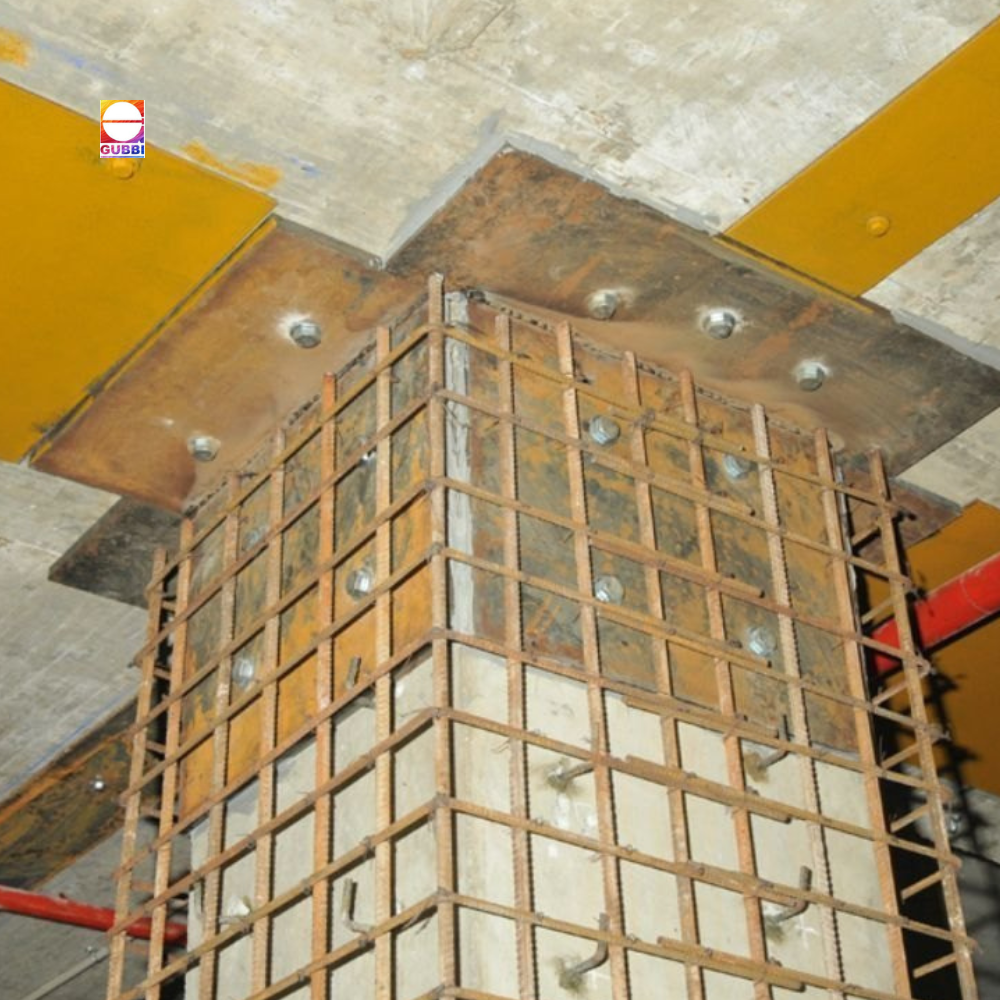
Retrofitting services play an important role in improving the strength, stability, and service life of existing buildings and infrastructure. Over time, concrete structures may experience deterioration, increased loading requirements, reinforcement corrosion, or damage caused by environmental conditions. Structural retrofitting helps address these challenges without necessarily requiring complete demolition and reconstruction. Techniques such as column jacketing, micro concrete jacketing, and steel jacketing provide practical options for strengthening existing structural members.
What Are Retrofitting Services?
Retrofitting services involve modifying or strengthening an existing structure to improve its ability to withstand loads and meet current performance requirements. These services may be required when a building develops structural defects, experiences changes in usage, or requires additional load-bearing capacity. Depending on the condition of the structure, engineers may recommend concrete repairs, reinforcement strengthening, column jacketing, steel jacketing, or other suitable rehabilitation methods.
Why Do Existing Structures Require Retrofitting?
Existing structures can lose their original performance because of ageing, inadequate maintenance, water ingress, corrosion, construction defects, or changes in building usage. Industrial buildings may also experience additional loads when machinery is installed or production layouts are modified. In such situations, the original structural design may no longer meet the building’s present requirements. Retrofitting helps engineers evaluate these changes and develop an appropriate strengthening strategy.
Understanding Column Jacketing in Structural Retrofitting
Column jacketing is a strengthening technique in which an additional layer or structural system is provided around an existing column. Depending on the engineering requirements, the jacket may consist of reinforced concrete, micro concrete, structural steel, or another approved strengthening material. The objective is to improve the column’s structural performance by addressing deficiencies in strength, confinement, stiffness, or load-carrying capacity.
Micro Concrete Jacketing for Column Strengthening
Micro concrete jacketing is a structural strengthening method that uses specially formulated, flowable micro concrete around an existing reinforced concrete column or beam. It is particularly useful when reinforcement is closely spaced or when conventional concrete placement may be difficult. The material flows into properly prepared formwork and around reinforcement, helping create a more uniform jacket when installed according to the specified mix, placement, and quality requirements.
How Does Micro Concrete Jacketing Work?
The process begins with an assessment of the existing column to determine the extent of damage and the strengthening required. Loose concrete is removed, exposed reinforcement is cleaned, and corrosion treatment is applied where specified. The prepared surface is then treated according to the approved method, and additional reinforcement or connectors are installed as required. Suitable formwork is erected before the micro concrete is placed around the existing member.
Key Advantages of Micro Concrete Jacketing
-
Improved load capacity: A properly designed jacket can increase the load-carrying capacity of an existing structural member.
-
Flowable placement: Specially formulated micro concrete can fill confined spaces around closely spaced reinforcement.
-
Structural rehabilitation: It can help strengthen members affected by deterioration, corrosion-related damage, or increased loading.
-
Reduced reconstruction requirements: Strengthening may avoid complete replacement when the existing structure remains suitable for rehabilitation.
-
Controlled application: The process allows reinforcement placement, formwork, and concrete installation to be managed systematically.
These advantages depend on the existing structure’s condition and the suitability of the proposed design. A structural engineer must establish whether micro concrete jacketing meets the project’s strength, serviceability, and durability requirements before work begins.
Steel Jacketing for Structural Strengthening
Steel jacketing is a retrofitting technique in which steel plates, angles, or fabricated steel sections are installed around an existing structural member. The jacket is designed to improve specific performance characteristics, such as confinement, strength, or resistance to deformation. This method is often evaluated for industrial buildings, heavy-duty facilities, bridges, and other structures where strengthening requirements must be addressed without undertaking extensive reconstruction.
How Is Steel Jacketing Installed?
Steel jacketing begins with a detailed inspection of the existing column or structural member. Engineers determine the required steel dimensions, connection arrangements, and installation sequence. The surface is prepared, and steel plates or sections are positioned around the member according to the approved design. Bolts, welds, anchors, or other specified connections secure the jacket. Where required, designed grout or filling materials address gaps between the steel and concrete surfaces.
Benefits of Steel Jacketing
Steel jacketing offers several potential advantages when an existing structure requires additional strength or confinement. Its components can be fabricated to suit specific member dimensions, and installation may be practical in facilities where prolonged disruption is undesirable. In certain designs, it can improve structural performance without significantly increasing the overall member dimensions. These characteristics make it worth evaluating for industrial columns, bridge supports, and structures with restricted working space.
When Should a Building Owner Consider Retrofitting?
Building owners should consider a structural assessment when columns show concrete spalling, exposed reinforcement, persistent cracking, or visible deterioration. Retrofitting may also be necessary when an industrial facility introduces heavier machinery, modifies its production layout, or changes the intended use of an existing building. These changes can alter the load demands on structural members, making it important to verify that the original design remains adequate for current operating conditions.
Applications of Retrofitting Services in Industrial and Commercial Projects
Industrial facilities often contain reinforced concrete columns that support heavy floors, equipment platforms, storage areas, and production infrastructure. Changes in machinery, equipment foundations, or operational loads may create a need for structural reassessment. Column jacketing and other retrofitting methods can be considered where engineering analysis identifies inadequate capacity or deterioration. Work planning must also account for machinery access, worker safety, production schedules, and the stability of the structure during installation.
How to Choose the Right Retrofitting Contractors
Choosing suitable retrofitting contractors involves more than comparing quotations. Building owners should evaluate the contractor’s experience with structural rehabilitation, understanding of strengthening methods, quality-control practices, and ability to work according to approved engineering drawings. Contractors should also demonstrate how they will manage surface preparation, reinforcement installation, material placement, connections, and inspection. A clear scope of work helps prevent misunderstandings about the activities and quality standards included in the project.
Before finalising a contractor, request a site assessment and discuss the proposed strengthening method with the responsible structural engineer. For industrial and commercial projects, Gubbi Civil Engineers Limited can be considered when evaluating structural repair, column jacketing, micro concrete jacketing, and steel jacketing requirements. The final selection should be based on the project’s technical needs, documented experience, execution planning, safety procedures, and ability to follow the approved structural design.
Factors Affecting the Cost of Retrofitting Services
The cost of retrofitting services varies according to the condition of the existing structure, the number of members requiring strengthening, the selected materials, and the extent of repair work. Columns with extensive concrete deterioration or corroded reinforcement may require additional preparation before jacketing begins. Access restrictions, working height, equipment requirements, and the need to maintain industrial operations can also affect labour, installation time, and project logistics.
Common Mistakes to Avoid During Structural Retrofitting
One common mistake is treating visible cracks or damaged concrete without identifying the underlying structural cause. Surface patching may improve appearance, but it cannot automatically restore a member’s load-carrying capacity. Another mistake is choosing a jacketing technique solely because it appears cheaper or faster. The method must address the actual deficiency, and the strengthening system must work appropriately with the existing structural member and its connections.
Frequently Asked Questions About Retrofitting Services
1. What are retrofitting services in construction?
Retrofitting services involve modifying an existing building or structure to improve its strength, safety, or performance. Depending on the assessment, the work may include column jacketing, steel strengthening, micro concrete jacketing, concrete repair, or other engineered rehabilitation measures. The objective is to address identified structural deficiencies and help the existing asset meet its intended performance requirements without unnecessary reconstruction.
2. What is the purpose of column jacketing?
Column jacketing strengthens an existing column by adding a designed external system around it. Depending on the method, the jacket may increase load-carrying capacity, improve confinement, or address specific strength and deformation requirements. Engineers determine the appropriate solution by assessing the existing concrete, reinforcement, loads, foundation capacity, and structural configuration.
3. What is micro concrete jacketing used for?
Micro concrete jacketing is used to strengthen or rehabilitate selected reinforced concrete members with an additional layer of specially formulated micro concrete and, where required, additional reinforcement. Its flowable properties can help with placement around congested reinforcement. Proper surface preparation, detailing, placement, and curing remain essential to achieve the intended result.
4. Is steel jacketing suitable for industrial buildings?
Steel jacketing may be suitable for industrial buildings where columns or other structural members require additional confinement or strengthening. It can be useful when installation constraints make other methods less practical. Suitability depends on structural calculations, connection design, available space, environmental exposure, and requirements for corrosion and fire protection.
5. Which is better, micro concrete jacketing or steel jacketing?
Neither method is always better. Micro concrete jacketing may suit projects requiring a reinforced concrete jacket, while steel jacketing may be preferable for certain space-constrained or time-sensitive applications. The correct option depends on the existing structural condition, required strength improvement, installation constraints, and the recommendations of a qualified structural engineer.
6. Can retrofitting reduce the need for rebuilding?
Yes, retrofitting may avoid complete reconstruction when the existing structure is suitable for rehabilitation and an engineered strengthening solution can meet the required performance criteria. However, some structures may be too severely damaged or unsuitable for practical strengthening. A detailed assessment is necessary to compare rehabilitation with partial or complete replacement.
Retrofitting services provide an important approach to addressing structural deterioration, increased loading requirements, and performance deficiencies in existing buildings. Column jacketing, micro concrete jacketing, and steel jacketing offer different ways to strengthen reinforced concrete members, but each method has specific design and execution requirements. Selecting the right solution requires understanding the existing structure, identifying the underlying problem, and evaluating the technical and operational demands of the project.
For industrial facilities, commercial buildings, warehouses, and infrastructure, a well-planned strengthening project can help preserve existing assets and reduce the disruption associated with reconstruction. Structural assessment, suitable material selection, careful installation, and quality verification are essential throughout the process. Working with an experienced structural rehabilitation team helps ensure that the selected retrofitting method addresses the identified deficiencies and supports the intended performance of the structure.