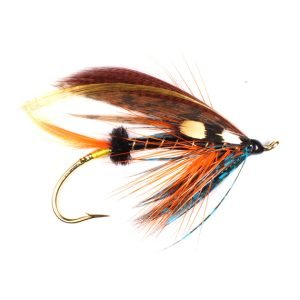
Nymph flies for trout imitate aquatic insects that live beneath the water’s surface, making them essential for successful trout fishing. They help anglers target trout feeding on underwater food sources in rivers, streams, and lakes.
For anglers fishing in Kenya and international trout waters, selecting the right trout nymph patterns, hook sizes, materials, and colours can make a significant difference. Understanding how nymphs behave underwater helps anglers choose effective flies for different fishing conditions.
What Are Nymph Flies for Trout?
Nymph flies are artificial fishing flies designed to imitate the immature stages of aquatic insects. Trout feed on these insects throughout the year, particularly when they drift naturally in the current.
Unlike dry flies, which float on the water’s surface, underwater trout flies work below the surface, where trout find much of their natural food.
Common aquatic insects imitated by nymph patterns include:
- Mayfly nymphs
- Stonefly nymphs
- Caddis larvae
- Midge larvae
- Freshwater insect larvae
These food sources make nymph fishing an important technique for catching trout in different freshwater environments.
Why Are Nymph Flies Important for Trout Fishing?
Nymphs represent an important part of a trout’s natural diet. Trout regularly feed beneath the surface, even when there is little visible feeding activity.
Using subsurface trout fishing flies allows anglers to target fish that may ignore dry flies.
Here are several practical advantages:
- Natural presentation: Nymph patterns imitate insects trout already recognise as
- Different water depths: Weighted patterns help anglers reach deeper feeding
- Year-round fishing: Aquatic insect larvae remain available in freshwater environments throughout the
- Versatile fishing techniques: Anglers can fish nymphs through pools, riffles, runs, and deeper
- Adaptability: Different patterns suit different insect activity and water
For example, when trout feed below the surface without showing themselves, a properly weighted nymph can reach their feeding zone more effectively than a floating fly.
Which Nymph Fly Patterns Work Best for Trout?
The best nymph depends on the aquatic insects available, water conditions, and trout feeding behaviour. Some patterns have earned a strong reputation because they imitate common freshwater food sources.
- Pheasant Tail Nymph
This classic pattern imitates small mayfly nymphs. Its natural brown appearance makes it useful in clear water and situations where trout feed selectively.
- Gold Ribbed Hare’s Ear
Its rough, natural-looking body resembles several aquatic insect larvae. It is a versatile choice for different freshwater fishing conditions.
- Prince Nymph
Recognised by its distinctive white biot wings and peacock herl body, this pattern provides a noticeable underwater profile.
- Copper John
This weighted pattern sinks quickly and works well when anglers need to reach deeper water. Its copper body provides additional visual attraction.
- Zebra Midge
This simple pattern imitates small midge larvae. Its slim profile makes it useful when trout feed on tiny aquatic organisms.
How Do You Choose the Right Nymph Fly for Trout?
Choosing an effective nymph requires attention to the fishing environment rather than relying on one pattern for every situation.
Consider these practical factors:
- Water clarity: Natural brown, olive, and black patterns are useful starting points in clear
- Water depth: Use weighted or bead-head designs when trout feed close to the
- Current speed: Heavier flies help maintain depth in faster-moving
- Insect activity: Match the fly to the aquatic insects found in the fishing
- Hook size: Smaller patterns can be useful when trout feed on tiny insects, while larger patterns imitate bigger
An experienced angler also considers how naturally the fly moves through the water. Even an attractive pattern may perform poorly if it moves unnaturally or passes above the trout’s feeding zone.
What Is the Best Way to Fish Nymph Flies?
Successful nymph fly fishing techniques focus on presenting the artificial insect naturally at the depth where trout feed.
Follow these practical steps:
- Observe the water: Look for feeding activity, underwater structure, current seams, and deeper
- Select a suitable pattern: Choose a nymph that resembles the available aquatic
- Adjust the weight: Consider the current speed and water depth when selecting bead-head or weighted
- Cast upstream: Allow the fly to travel naturally with the
- Control the drift: Manage excess fly line to reduce unnatural
- Watch for takes: Trout may take a nymph subtly, so pay attention to changes in the line or
For lake fishing, anglers can also use controlled retrieves to imitate swimming aquatic insects.
Are Nymph Flies Suitable for Trout Fishing in Kenya?
Yes. Nymph flies are suitable for trout fishing in Kenya, particularly in freshwater environments where trout feed on aquatic insects.
Kenya’s highland trout fisheries provide opportunities to explore different fly-fishing techniques. Rivers and streams around the country’s cooler highland regions offer varied water conditions, making fly selection an important consideration.
For trout fishing in Kenya, anglers should consider:
- Local aquatic insect
- Seasonal water temperature
- River depth and current
- Available natural food
- Trout feeding
Patterns such as Pheasant Tail, Hare’s Ear, and Prince Nymph provide useful starting points. However, anglers should adjust their selection according to the actual fishing conditions rather than assuming one pattern works everywhere.
What Materials Make a Quality Trout Nymph Fly?
The materials used in a nymph influence its appearance, movement, durability, and ability to sink.
Quality hand-tied fishing flies commonly combine several materials:
|
Material |
Main purpose |
|
Natural feathers |
Create realistic insect profiles |
|
Hare’s fur |
Add texture and movement |
|
Peacock herl |
Provide body colour and attraction |
|
Copper wire |
Add weight and segmentation |
|
Tungsten beads |
Improve sinking speed |
|
Synthetic fibres |
Improve durability and detailing |
Precise tying also matters. Secure thread wraps, balanced proportions, and properly positioned beads help maintain the fly’s shape and performance during repeated use.
Where Can You Get Quality Nymph Flies for Trout?
Choosing dependable handcrafted trout fishing flies means considering material quality, tying consistency, hook strength, and practical fishing performance.
Trout Fly Fishing Flies Kenya specialises in carefully handcrafted fishing flies inspired by Kenya’s fishing heritage and freshwater ecosystems.
Based in Limuru, Kiambu County, the company combines traditional fly-tying craftsmanship with modern techniques to produce fishing flies for anglers in Kenya and international markets.
Its approach focuses on:
- Carefully selected fly-tying
- Detailed handcrafted
- Durable designs for practical fishing
- Consistent attention to fly proportions and
- Patterns suitable for different freshwater fishing
Anglers looking for reliable nymph fishing flies, natural insect imitations, and carefully tied trout patterns can explore the available options.
Contact Trout Fly Fishing Flies Kenya
- Website: https://troutflyfishingflieskenya.com/
- Email: francis@troutflyfishingflieskenya.com
- Telephone: +254-208-117733 / +254-720-968005
- Address: Lr No, Limuru/Rironi 1129, Rironi Kinguru Road, Limuru East, Limuru, Kiambu,
- Postal address: O. Box 937-00217, Kenya.
Choosing the right nymph pattern starts with understanding what trout eat and where they feed. With suitable materials, careful fly selection, and natural presentation, anglers can approach different trout fishing conditions with greater confidence.