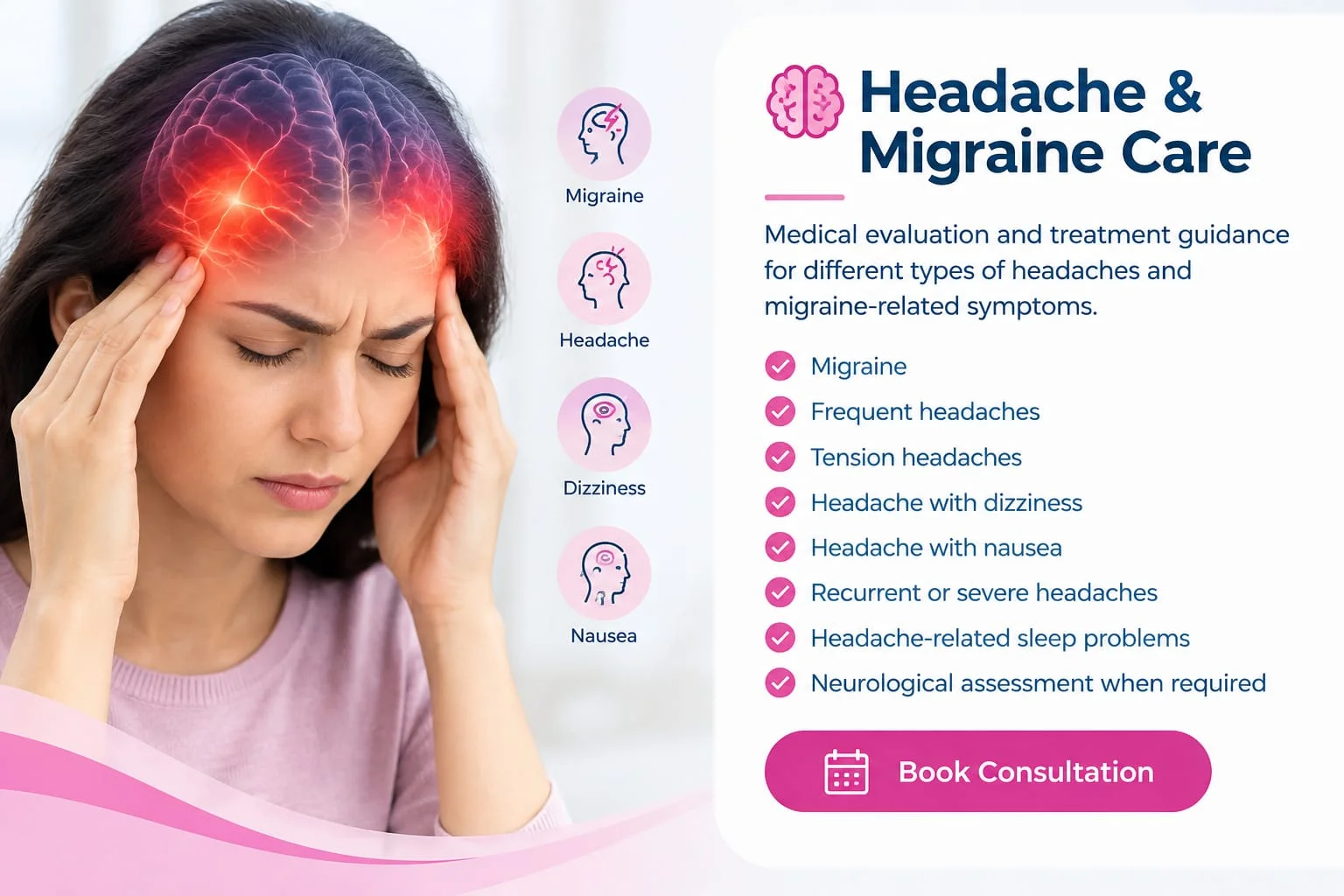
Migraine is more than an ordinary headache. It is a neurological condition that can cause intense head pain, nausea, sensitivity to light and sound, and difficulty carrying out everyday activities. Understanding migraine treatment in Hojai can help people experiencing repeated migraine attacks learn about possible triggers, appropriate medical care and practical ways to manage their symptoms.
What Makes a Migraine Different from a Regular Headache?
A regular headache may cause pressure or discomfort around the head, but migraine often involves a more complex combination of neurological symptoms.
Migraine pain is frequently described as throbbing or pulsating and may affect one or both sides of the head. An attack can last for several hours or even days. Some individuals also experience visual disturbances known as aura, which may include flashing lights, blind spots or zigzag patterns before or during a headache.
Other common symptoms include nausea, vomiting, sensitivity to bright lights, sensitivity to loud sounds and difficulty concentrating.
Migraine affects people differently. Some experience occasional attacks, while others have frequent episodes that interfere with their professional, social and personal lives.
Common Triggers That May Cause Migraine Attacks
Migraine triggers vary from person to person. Identifying individual patterns can help people understand what may contribute to their attacks.
- Irregular Sleep Patterns
Sleeping too little, oversleeping or frequently changing sleep schedules may trigger migraine in some individuals. Maintaining consistent sleeping and waking times can support better sleep habits.
- Stress and Emotional Pressure
Work-related pressure, anxiety and emotional stress may contribute to migraine attacks. Some people also experience headaches after a stressful period ends.
- Certain Foods and Drinks
Skipping meals, dehydration and certain food ingredients may trigger attacks in susceptible individuals. Some people report sensitivity to particular foods, but triggers are not universal.
- Hormonal Changes
Changes in hormone levels can influence migraine patterns, particularly in some women. Attacks may occur around menstruation or during other hormonal transitions.
- Bright Lights and Environmental Factors
Strong sunlight, flickering lights, loud sounds, strong smells and changes in weather may contribute to symptoms in some people.
Recognising these patterns is often more useful than avoiding large numbers of foods or activities without a clear reason.
How to Identify Your Personal Migraine Triggers
Keeping a migraine diary is a practical way to identify possible connections between daily habits and headache episodes.
Record details such as:
- Date and time when the headache started.
- How long the attack lasted.
- Pain intensity and location.
- Sleep duration and quality.
- Meals, hydration and caffeine consumption.
- Stress levels and possible environmental triggers.
- Any associated symptoms, such as nausea or visual changes.
After several weeks, these records may reveal patterns that can be discussed during a medical consultation.
Avoid making major dietary or lifestyle restrictions based on a single episode. A trigger diary should help guide informed decisions rather than create unnecessary limitations.
Lifestyle Changes That May Help Reduce Migraine Frequency
Although lifestyle adjustments cannot guarantee migraine prevention, consistent habits may help some individuals reduce the frequency or severity of attacks.
Maintain a regular sleep routine: Aim for consistent sleeping and waking times and create a comfortable sleeping environment.
Eat meals on time: Avoid regularly skipping meals, as prolonged gaps between meals may trigger symptoms in some people.
Stay hydrated: Drink adequate water throughout the day, particularly during hot weather.
Manage stress: Relaxation exercises, meditation and suitable physical activity may help reduce stress-related triggers.
Take screen breaks: Adjust screen brightness and take regular breaks if prolonged screen exposure contributes to discomfort.
These habits should complement, rather than replace, appropriate medical assessment and treatment.
When Should You Consult a Doctor?
Frequent or increasingly severe headaches deserve professional evaluation, particularly when they interfere with work, sleep or daily activities.
A doctor may review the headache pattern, medical history, associated symptoms and possible triggers. Depending on the findings, treatment may involve medicines for managing acute attacks or preventive medication for people who experience frequent or disabling migraines.
Sudden, extremely severe headaches or headaches accompanied by weakness, confusion, speech difficulties, seizures or sudden vision loss require emergency medical attention. These symptoms should not automatically be assumed to be migraine.
Seeking Migraine-Related Medical Guidance in Hojai
People experiencing recurring headaches may benefit from an assessment by a qualified healthcare professional. Understanding the symptoms and identifying possible contributing factors can help guide appropriate care.
Dr Shahrukh Neuro Polyclinic in Hojai, Assam, provides information about its neurological services for individuals seeking consultation. Patients can contact the clinic to confirm appointment availability and whether their symptoms can be assessed there.
Conclusion
Migraine management involves more than simply taking pain relief when an attack occurs. Understanding personal triggers, maintaining consistent lifestyle habits and seeking appropriate medical guidance can help individuals manage recurring episodes. Keeping a headache diary and discussing symptoms with a healthcare professional are useful steps towards developing an appropriate management plan.