Home tube feeding provides essential nutrition to patients who cannot eat or swallow safely or adequately. However, maintaining proper hygiene and following the prescribed feeding plan are important for reducing the risk of infections and other complications. Families arranging Tube feeding at home in Dubai should understand how to handle feeding equipment, prepare formula safely, monitor the tube site, and recognise early warning signs. A Doctor at Home service can help assess the patient’s needs, while qualified home nurses can guide caregivers through safe feeding procedures. With consistent care and professional support, families can create a safer environment for patients who depend on enteral nutrition.
Understanding the Risks Associated With Home Tube Feeding:
Tube feeding delivers liquid nutrition directly into the stomach or small intestine through a specialised feeding tube. Although this method helps patients receive essential nutrients, complications can occur if equipment is contaminated, the tube becomes blocked or displaced, or feeding instructions are not followed correctly. Common concerns include insertion-site infections, digestive discomfort, diarrhoea, constipation, leakage, dehydration, and aspiration. The likelihood of complications depends on the patient’s medical condition, feeding tube type, mobility, and overall care requirements. Understanding these risks allows caregivers to take preventive measures and seek professional advice before minor problems become more serious.
Maintain Proper Hand Hygiene Before Every Feeding:
Hand hygiene is one of the simplest and most effective ways to reduce contamination during tube feeding. Caregivers should wash their hands thoroughly with soap and clean running water before preparing formula, handling feeding equipment, touching tube connectors, or cleaning the insertion site. Hands should also be washed after completing the procedure and handling used supplies. Important practices include:
-
Wash hands before and after every feeding procedure.
-
Clean between fingers, around nails, and across the thumbs.
-
Dry hands using a clean towel.
-
Use disposable gloves when recommended for specific care procedures.
-
Avoid touching the ends of connectors that come into contact with the feeding system.
Consistent hand hygiene helps prevent microorganisms from entering the feeding equipment and reduces the possibility of infection.
Follow Safe Formula Preparation and Storage Practices:
Feeding formula must be handled carefully to prevent contamination and maintain its quality. Caregivers should check the expiry date, packaging condition, and manufacturer’s instructions before using any product. Formula should be stored at the recommended temperature, and opened containers must be handled within the specified time limits. Prepared formula should not be left at room temperature longer than permitted by the product instructions or healthcare team’s guidance. Avoid touching the inside of containers and never use products with damaged packaging or signs of contamination. Caregivers should also avoid diluting, mixing, or changing formula concentrations unless a doctor or dietitian specifically recommends it. These precautions help protect patients from foodborne contamination and nutritional problems.
Keep Feeding Equipment Clean and Properly Maintained:
Feeding syringes, containers, pump sets, and connectors require appropriate cleaning and maintenance. Equipment should be used according to manufacturer instructions and the patient’s prescribed care plan. Some items are designed for single use, while others may be reusable for a specified period if cleaned correctly. Caregivers should inspect equipment before each use and replace damaged or expired supplies. Keep clean items in a dry, protected area and separate them from used equipment. Avoid placing connector ends on beds, tables, or other potentially contaminated surfaces. Never share feeding equipment between patients. If there is uncertainty about whether an item can be cleaned and reused, seek advice from a qualified nurse or healthcare provider.
Protect the Feeding Tube Insertion Site From Infection:
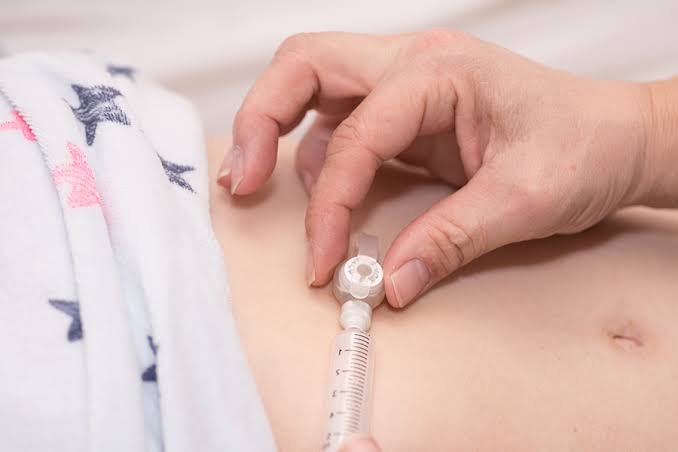
Patients with gastrostomy or jejunostomy tubes need regular care around the skin where the tube enters the body. The insertion site should be cleaned and dried according to the instructions provided by the healthcare team. Caregivers should avoid applying creams, powders, antiseptics, or dressings unless these are specifically recommended. Check the surrounding skin for redness, swelling, warmth, tenderness, bleeding, unusual discharge, or unpleasant odour. The tube should also be secured as instructed to reduce pulling, friction, and unnecessary movement. If the site becomes increasingly painful or develops signs of infection, contact the treating healthcare professional for assessment. Do not attempt to remove or reposition the tube without appropriate training and authorisation.
Prevent Tube Blockages and Displacement:
A blocked or displaced feeding tube can interrupt nutrition delivery and may require prompt medical attention. Following the prescribed flushing routine can help reduce the accumulation of formula or medication residue inside the tube. Caregivers should use the recommended type and amount of water and avoid applying excessive pressure. To reduce preventable problems:
-
Flush the tube at the times specified in the care plan.
-
Administer medications separately when instructed.
-
Confirm that each medication is suitable for tube administration.
-
Avoid pulling, twisting, or placing unnecessary tension on the tube.
-
Secure external tubing according to professional guidance.
-
Stop if flushing meets resistance rather than forcing water through.
Never use sharp objects, cola, juice, or unapproved substances to clear a blockage. If the tube becomes displaced, do not attempt reinsertion unless specifically trained and authorised. Displacement of a recently placed gastrostomy tube requires urgent medical assessment.
Reduce the Risk of Aspiration During Feeding:
Aspiration occurs when food, liquid, saliva, or stomach contents enter the airway instead of moving through the digestive system. It can lead to serious respiratory complications, particularly in patients with swallowing difficulties, neurological conditions, or reduced alertness. Caregivers should follow the patient’s prescribed positioning instructions, which commonly involve elevating the upper body during feeding and for the period recommended afterward. Feeding speed and volume should never be changed without professional advice. Watch for coughing, choking, breathing difficulty, or new respiratory symptoms during or after feeding. If aspiration is suspected, stop the feeding according to the emergency care plan and seek urgent medical assessment. Positioning and careful monitoring help reduce risks but cannot eliminate aspiration entirely.
Monitor Digestive Changes and Signs of Dehydration:
Patients receiving tube feeding may experience nausea, vomiting, bloating, diarrhoea, or constipation. These symptoms can have several causes, including formula intolerance, medication effects, feeding rate, infection, or underlying medical conditions. Caregivers should record changes in bowel movements, feeding tolerance, fluid intake, and general comfort. Hydration should also be monitored according to the patient’s individual needs and prescribed fluid plan. Warning signs may include:
-
Dry mouth or unusual thirst.
-
Reduced urine output or darker urine.
-
Persistent diarrhoea or vomiting.
-
Increasing abdominal discomfort or swelling.
-
Unusual weakness, dizziness, or confusion.
Report persistent or worsening symptoms to the healthcare provider. Do not independently change formula, feeding volume, or water intake to manage these problems.
Recognise When Professional Medical Help Is Needed:
Early identification of complications can prevent unnecessary discomfort and support timely treatment. Caregivers should contact the healthcare team if they notice fever, increasing redness around the insertion site, unusual discharge, repeated vomiting, persistent diarrhoea, tube leakage, or difficulty flushing the tube. Severe abdominal pain, significant bleeding, choking, breathing difficulty, or sudden deterioration requires urgent medical attention. Families should keep important contact details and the patient’s feeding instructions accessible. Knowing whom to contact and what symptoms require immediate action can make home care more organised and safer.
How Professional Home Nursing Supports Infection Prevention:
Qualified home nurses can help families follow safe tube feeding procedures and maintain consistent infection-prevention practices. Depending on the patient’s care plan, nursing support may include monitoring the insertion site, checking equipment, assisting with prescribed feeding procedures, observing feeding tolerance, and educating family caregivers. Nurses can also help identify changes that require medical review. For patients receiving Tube feeding at home in Dubai, professional home healthcare services can provide guidance based on the patient’s tube type, nutritional requirements, and medical condition. Families should select appropriately qualified providers who follow recognised hygiene standards and communicate clearly with the treating doctor and dietitian.
Final Thoughts
Preventing infections and complications during home tube feeding requires consistent hygiene, safe formula handling, proper equipment maintenance, and regular patient monitoring. Caregivers should follow the prescribed feeding plan, protect the insertion site, and avoid making changes without professional guidance. Recognising early warning signs and seeking timely medical support can help reduce risks and improve patient comfort. With informed caregiving and appropriate professional assistance, families can support safer tube feeding and better nutritional care at home.