Healthy, youthful-looking skin is something many people want to maintain as they get older. However, natural ageing, sun exposure, pollution, and lifestyle habits can gradually affect the skin’s appearance. Fine lines, wrinkles, pigmentation, uneven skin tone, and rough texture are common concerns that can make the face look older. Laser Treatment in Dubai has become a popular option for people who want to improve their skin’s appearance and achieve a fresher, smoother, and more youthful look. Modern laser technologies are designed to address several skin concerns by targeting specific layers of the skin and encouraging natural renewal processes.But can laser treatment really make your skin look younger? Understanding how laser procedures work, their benefits, and what results you can expect can help you decide whether this treatment is suitable for your skincare goals.
Does Laser Treatment Improve Skin Texture?
Uneven skin texture can make the face appear tired, rough, or aged. Enlarged pores, acne scars, sun damage, and accumulated dead skin cells can all affect how smooth the skin looks.Certain laser procedures help improve skin texture by removing damaged surface cells or stimulating renewal beneath the skin. Depending on the treatment, this may reduce the appearance of mild acne scars, rough patches, and uneven areas.As the skin gradually heals, its surface may become smoother and more refined. Many people choose laser treatments because they want to improve their overall skin quality rather than address just one specific concern.The number of sessions required depends on the severity of the skin concern and the type of laser technology being used.
Can Laser Treatment Reduce Age Spots and Pigmentation?
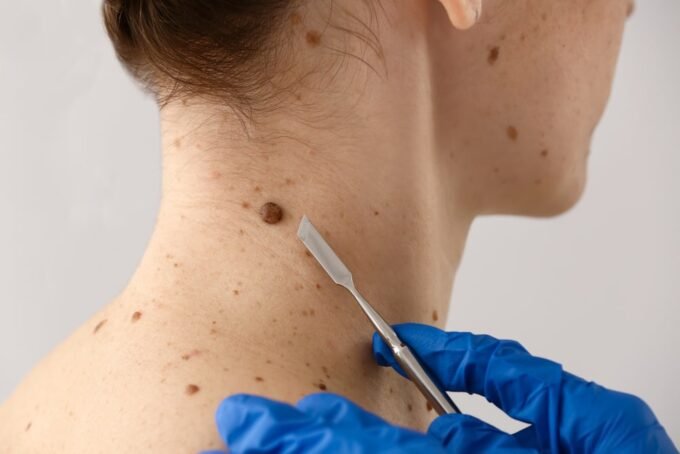
Sun exposure is one of the major factors responsible for visible skin ageing. Over time, ultraviolet radiation can contribute to dark spots, uneven pigmentation, and changes in skin tone.Some laser technologies specifically target excess pigment in the skin. The energy is absorbed by pigment-containing structures, helping break down unwanted pigmentation so that the body can gradually clear it.Laser treatment may improve the appearance of sunspots, age spots, and certain types of pigmentation. It can also help create a more even-looking complexion.However, not every pigmentation concern responds to the same laser. Melasma, for example, can be difficult to treat and may become darker after inappropriate laser procedures. People with darker skin tones may also have a higher risk of post-inflammatory hyperpigmentation with certain treatments.A qualified dermatologist should evaluate the pigmentation before recommending a procedure.
What Types of Laser Treatments Are Used for Skin Rejuvenation?
Different laser technologies are available to address different skin concerns. Choosing the correct treatment is important because every person’s skin has different needs.Fractional laser treatments are commonly used to improve skin texture, fine lines, and certain types of acne scarring. They work by creating controlled treatment zones that encourage the skin’s healing and collagen-remodelling processes.CO2 laser resurfacing is a more intensive option that can improve deeper wrinkles, certain scars, and significant surface damage. Depending on the settings and treatment approach, it may involve a longer recovery period.Erbium laser treatments can be used for skin resurfacing and may help improve wrinkles and uneven texture. Their suitability depends on the depth of treatment and the individual’s skin condition.Non-ablative laser treatments work beneath the skin’s surface without removing the outer layer. They may offer gradual improvements in texture and collagen-related concerns, often with less downtime than more intensive resurfacing procedures.The best technology depends on the patient’s skin type, concerns, medical history, and desired results.
Is Laser Skin Rejuvenation Suitable for All Skin Types?
Laser treatments can be suitable for many people, but not every laser is appropriate for every skin type. Skin tone, sensitivity, pigmentation history, and existing skin conditions all influence treatment selection.People with darker skin tones may need carefully selected laser wavelengths and settings to reduce the risk of burns or unwanted pigmentation changes. Individuals with sensitive skin should also receive a professional assessment before undergoing treatment.Certain conditions, active infections, recent tanning, or a history of abnormal scarring may affect whether a person is suitable for a particular procedure.A consultation with an experienced dermatologist is important before starting laser skin rejuvenation. The specialist can examine the skin, discuss expectations, and recommend a treatment approach that prioritises safety.
What Should You Expect During a Laser Skin Treatment Session?
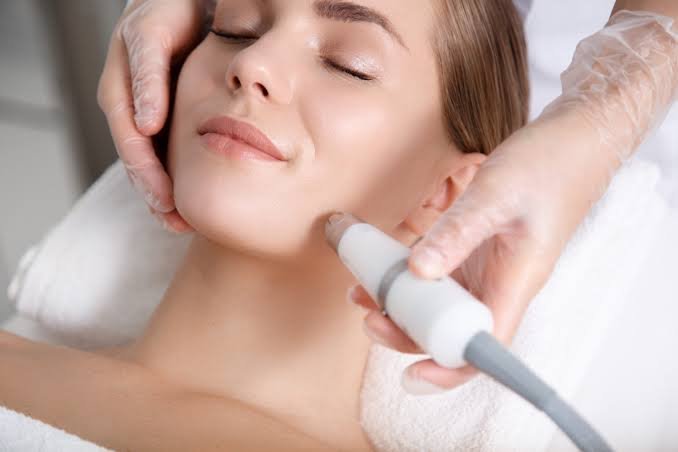
The treatment process usually begins with a consultation and skin assessment. The specialist evaluates the areas of concern and selects an appropriate laser technology and treatment settings.Before the procedure, the skin is cleansed, and protective eyewear is provided. Depending on the type of laser, a topical numbing cream may be applied to improve comfort.During treatment, the laser device delivers controlled energy to the targeted areas. Patients may experience warmth, mild stinging, or a snapping sensation, depending on the procedure.After the session, the skin may appear slightly red, warm, or swollen. More intensive resurfacing procedures can cause peeling, temporary sensitivity, and a longer recovery period.Following aftercare instructions is essential for proper healing and reducing the risk of complications.
How Can You Maintain Your Results After Laser Treatment?
Proper skincare plays an important role in maintaining the improvements achieved through laser rejuvenation. Protecting the skin from sunlight is especially important because ultraviolet exposure can contribute to premature ageing and pigmentation.Using a broad-spectrum sunscreen with SPF 30 or higher every day can helpprotect the skin from harmful UV rays. Reapplying sunscreen when outdoors, wearing protective clothing, and avoiding excessive sun exposure can further support skin health.A gentle skincare routine can also help maintain the skin’s condition. Use moisturisers recommended by your skincare professional and avoid harsh exfoliating products until the skin has fully recovered.You should follow the specialist’s instructions regarding active ingredients such as retinoids and exfoliating acids. Introducing these products too early after laser treatment may irritate the skin.Maintaining a healthy lifestyle, getting sufficient sleep, staying hydrated, and following a balanced diet can also support overall skin health.
Are There Any Risks or Side Effects of Laser Skin Treatment?
Like other cosmetic procedures, laser treatments can have potential side effects. Common temporary reactions include redness, swelling, sensitivity, and mild discomfort.Depending on the laser type and individual skin characteristics, other possible risks include burns, blistering, infection, scarring, and changes in skin pigmentation. Some people may experience darker or lighter patches after treatment.Choosing an appropriately trained professional and following recommended aftercare instructions can help reduce these risks.It is important to disclose your medical history, current medications, previous cosmetic procedures, and any history of cold sores before treatment. This information helps the specialist determine whether additional precautions are necessary.
Why Consider Professional Laser Treatment in Dubai?
Dubai offers a range of modern aesthetic and skincare services for people interested in improving their skin’s appearance. Professional clinics may provide different laser technologies designed to address wrinkles, pigmentation, acne scars, uneven texture, and other visible skin concerns.When choosing a clinic, look for qualified practitioners, appropriate medical supervision, modern equipment, and clear treatment information. A trustworthy provider should explain the expected benefits, possible risks, recovery period, and realistic outcomes before beginning the procedure.Rather than choosing a treatment based only on price or advertising, consider the practitioner’s experience and whether the recommended technology is suitable for your skin.
A personalised consultation can help you understand which procedure may offer the most appropriate results.
Conclusion
Laser treatment can help make your skin look younger by improving fine lines, uneven texture, pigmentation, and certain signs of sun damage. Depending on the technology used, it can also stimulate collagen production, helping the skin appear smoother, firmer, and more refreshed.Although laser procedures cannot stop the natural ageing process, they can be a valuable option for people who want to improve their skin’s overall appearance without necessarily undergoing surgery. Selecting the right technology, consulting a qualified professional, and following proper aftercare are essential for achieving safe and satisfactory results.