
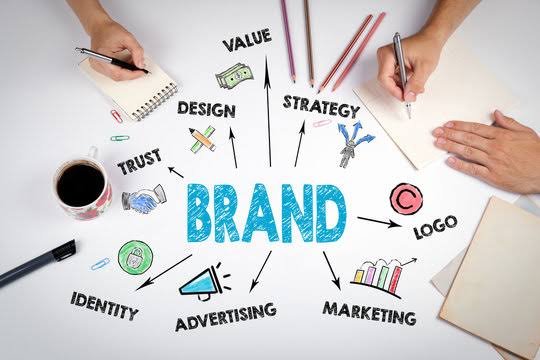
Ask someone what branding is and many will say, “A logo and some colors.” That’s part of it, but only a small part. Branding is the sum of how people think and feel about your business: what you promise, how you sound, how you treat customers, and what they say about you when you’re not in the room.
A strong brand makes selling easier. People choose you faster, forgive small mistakes, and recommend you without being asked. Here’s how to build one properly.
Brand vs. Logo vs. Identity
These words get mixed up, so a quick clarification helps.
Your brand is the overall perception people hold about you. Your brand identity is the set of visible and audible pieces you control: name, logo, colors, fonts, imagery, tone of voice. Your logo is one element inside that identity.
You can design the prettiest logo in the world, but if your service is inconsistent, the brand will still feel weak. Identity is what you show. Brand is what people believe.
Start With Clarity, Not Colors
Before any design work, answer a few honest questions:
- Who exactly are you trying to serve?
- What problem do you solve better than others?
- Why do you do this work?
- How should customers feel after dealing with you?
Many companies skip this and jump to fonts and palettes. The result looks nice but says nothing. Clear answers shape every later decision, from your website copy to your packaging.
Positioning: Finding Your Space
Positioning means deciding where you sit in the customer’s mind compared with alternatives. Are you the premium option, the budget-friendly choice, the fast one, the personal one, the specialist?
Trying to be everything for everyone rarely works. A bakery known for sourdough is more memorable than one that “does all kinds of baked goods.” Pick a lane that you can truly own and that customers actually care about.
The Building Blocks of Brand Identity
Name. Easy to say, spell, and remember. Check that the domain and social handles are available.
Logo. Simple, flexible, readable at small sizes. It should work on a phone screen and a shop sign.
Color palette. Colors carry emotion. Blue often suggests trust, green suggests growth or health, red suggests energy. But context matters more than rules.
Typography. Fonts set the tone before a word is read. Limit yourself to two or three.
Imagery. Photography and illustration styles should feel consistent across all channels.
Voice. Friendly or formal, playful or serious. Write a short guide with example sentences so everyone who writes for you stays consistent.
Consistency Does the Heavy Lifting
A brand becomes recognizable through repetition. Same colors, same tone, same quality of service, every time. When your website, invoices, social posts, packaging, and email signatures all feel like they come from the same company, trust builds quietly.
A simple brand guidelines document helps. It can be a few pages covering logo usage, colors, fonts, and voice. Share it with designers, freelancers, and staff.
Where Brand Meets Customer Experience
Customers don’t judge you by your brand statement. They judge you by how a delivery arrives, how quickly support replies, and whether the product matches the promise. If your branding says “friendly and reliable” but emails go unanswered for days, the gap damages trust more than having no slogan at all.
Treat every touchpoint as part of the brand: the first Google result, the unboxing, the follow-up message, even the refund process.
Rebrand or Refresh?
Sometimes a brand needs updating. Signs include an outdated look, a shift in target audience, a merger, or a reputation you want to move past. But rebranding is not free, and it can confuse existing customers if done carelessly.
Often a refresh is enough: modernize the logo, tidy up colors, improve messaging, and keep the core recognition. A complete overhaul makes sense only when the old brand truly doesn’t represent the business anymore.
Common Branding Mistakes
- Copying a competitor’s look and hoping for similar results
- Changing style every few months
- Using too many fonts and colors
- Choosing trends over timeless clarity
- Ignoring how the brand looks on mobile
- Forgetting employees, who are your daily brand ambassadors
Working With a Branding Partner
A good branding team starts by listening and researching, not by sketching. Expect questions about your audience, market, and goals. Expect options, feedback rounds, and a final package that includes files in every format you’ll need.
If you’re exploring support, the branding services from Xcentric Services show what a full identity project can include.
Measuring Brand Strength
It’s harder to measure than clicks, but not impossible. Track direct website visits, branded search volume, social mentions, repeat purchases, referral rates, and customer surveys asking how people describe you. Over time, these show whether your brand is gaining recognition.
Conclusion
Strong branding is built from clear purpose, thoughtful positioning, consistent design, and honest customer experience. A logo is just the starting point. The real work is making every interaction match what you promise.
Take time to define who you are before you decide how you look. If you’d like help shaping that process across design, messaging, and marketing, Xcentric Services offers a good starting point.
FAQs
1. What is included in branding? Typically strategy, name, logo, color palette, typography, imagery style, tone of voice, and brand guidelines.
2. How long does it take to build a brand? The design phase may take a few weeks to a couple of months. Building recognition in the market takes much longer.
3. Do small businesses need branding? Yes. A clear, consistent brand helps small businesses stand out and earn trust faster.
4. How often should I update my branding? Small refreshes every few years are common. Full rebrands should happen only when there’s a clear business reason.
5. What’s the difference between branding and marketing? Branding defines who you are and what you stand for. Marketing is how you communicate that to attract customers.