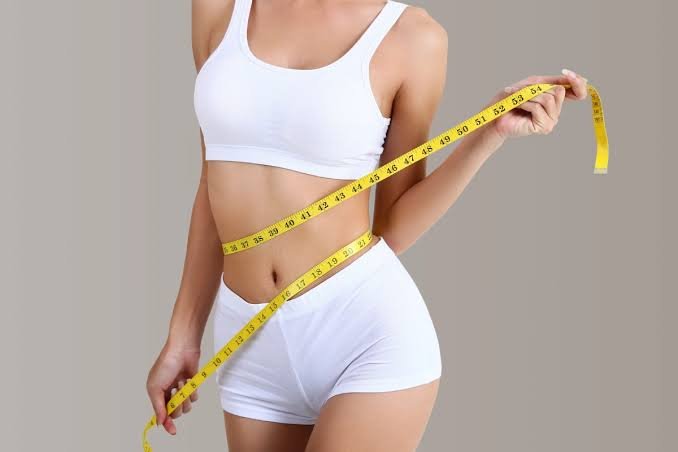
Body contouring can help improve stubborn fat deposits that remain noticeable despite regular exercise and a balanced diet. These deposits often develop around the abdomen, waist, hips, thighs, arms, and back, affecting the body’s natural proportions. At Dynamic Life Clinic, individuals considering Body Contouring Dubai can explore treatment options based on their body shape, fat distribution, and personal goals. Procedures such as liposuction are designed to reduce selected areas of fat and refine the body’s outline rather than produce significant overall weight loss.
Understanding Stubborn Fat Deposits
Stubborn fat deposits are localised areas of subcutaneous fat that may remain even when someone maintains a healthy lifestyle. Genetics, hormones, ageing, and individual fat distribution can influence where the body stores fat. Common areas include the lower abdomen, flanks, inner and outer thighs, upper arms, and back. These deposits do not necessarily indicate poor fitness or an unhealthy lifestyle. Body contouring may help address them by targeting specific areas that are disproportionate to the surrounding body shape.
How Liposuction Targets Localised Fat
Liposuction is a surgical procedure commonly used to remove localised fat beneath the skin. During treatment, a surgeon inserts a thin tube called a cannula through small incisions and carefully removes selected fat deposits. The technique and amount of fat removed depend on the treatment area, tissue characteristics, and the patient’s anatomy. This can help improve body definition and create smoother transitions between neighbouring areas. Liposuction is not intended to treat obesity or replace healthy weight management.
Improving Stubborn Fat Around the Abdomen and Waist
The abdomen and waist are common areas where localised fat can affect body proportions. Some individuals notice fullness around the lower stomach or flanks even when their overall weight remains stable. Liposuction may help reduce these deposits and create a more defined midsection in suitable patients. However, it does not repair separated abdominal muscles or remove significant loose skin. When these concerns are also present, a tummy tuck or another procedure may be considered after a detailed assessment.
Reducing Fat Deposits Around the Hips and Thighs
The hips and thighs can develop localised fat deposits that influence the body’s lower-body outline. Liposuction may be used to reduce selected areas of fullness, including the outer thighs, inner thighs, and areas around the hips. The surgeon must consider how these regions connect to one another to maintain natural proportions. Skin elasticity is particularly important because the skin needs to adapt to the reduced fat volume. If substantial loose skin is present, fat removal alone may not provide the desired contour.
Addressing Excess Fat in the Arms and Back
Fat deposits around the upper arms and back may remain noticeable despite changes in body weight. Liposuction can reduce localised fullness in these areas when the patient has suitable skin quality and overall health. In the upper arms, significant skin laxity may require an arm lift rather than fat removal alone. Around the back, treatment planning should consider natural folds and the relationship between the upper torso and waist. Careful fat removal helps avoid an uneven appearance or excessive reduction.
The Role of Skin Elasticity in Fat Reduction
Skin elasticity affects how well the skin adapts after fat has been removed. Patients with relatively firm, elastic skin may experience a smoother contour as the tissues settle. However, people with significant skin laxity may develop more noticeable sagging after liposuction. In these situations, a skin-removal procedure may be more appropriate or may be considered alongside fat reduction. A surgeon evaluates skin quality, fat thickness, and the amount of excess tissue before deciding which approach is suitable.
Checkpoint: Important Considerations Before Treating Stubborn Fat
Not every localised fat deposit requires surgery, and the most suitable treatment depends on individual circumstances. Patients should consider the following points before choosing body contouring:
-
Stable weight: Liposuction is generally better suited to people who are near a healthy, sustainable weight.
-
Fat distribution: Treatment is intended for selected deposits rather than widespread weight reduction.
-
Skin elasticity: Good skin quality can support a smoother result after fat removal.
-
Overall health: Medical conditions, medications, and previous procedures should be reviewed.
-
Lifestyle habits: Maintaining regular activity and balanced nutrition supports long-term weight stability.
-
Realistic expectations: Treatment can refine selected areas but cannot guarantee a particular body shape.
-
Treatment limitations: Liposuction removes subcutaneous fat, not deeper visceral fat around internal organs.
Recovery and Visible Changes After Treatment
Recovery following liposuction varies according to the number of areas treated and the amount of fat removed. Patients may experience swelling, bruising, tenderness, and temporary numbness in the treated regions. Compression garments are commonly recommended to support healing and help manage swelling. Gentle walking may be encouraged, while strenuous exercise and heavy lifting should be restricted until the surgeon approves a gradual return to normal activities. The initial appearance may be affected by swelling, and the body contour generally becomes clearer over the following weeks and months.
Risks and Limitations of Body Contouring
Body contouring procedures carry risks that patients should understand before treatment. Possible complications of liposuction include bleeding, infection, fluid accumulation, contour irregularities, asymmetry, persistent numbness, and changes in skin sensation. More serious complications, including blood clots and anaesthesia-related problems, can also occur. Removing excessive fat may create uneven contours or affect the natural shape of the treated area. Liposuction also cannot remove cellulite reliably or correct significant loose skin. A qualified surgeon should explain the likely benefits and limitations based on the patient’s individual condition.
Personalised Treatment Planning for Better Results
A professional assessment helps determine whether stubborn fat deposits are suitable for body contouring. The surgeon may examine fat distribution, skin elasticity, body proportions, medical history, previous procedures, and weight stability. Some patients may benefit from liposuction alone, while others may need a procedure that addresses loose skin as well. Treatment may also be performed in stages when several areas are involved. Individualised planning helps select an appropriate technique and establish realistic expectations about the result, recovery, and possible complications.
Frequently Asked Questions
People considering body contouring often want to know whether stubborn fat can be removed safely and how long the improvements may last. The following answers explain common concerns about treatment and results.
Can Body Contouring Remove Fat That Does Not Respond to Exercise?
Yes, procedures such as liposuction can reduce selected deposits of subcutaneous fat that remain despite healthy lifestyle habits. However, treatment is intended for body shaping rather than major weight reduction. Suitability depends on the patient’s health, fat distribution, and skin condition.
Which Areas Can Be Treated for Stubborn Fat?
Common treatment areas include the abdomen, waist, hips, thighs, upper arms, and back. The chin and neck may also be treated in selected cases. The appropriate areas depend on the patient’s anatomy and treatment goals.
Does Liposuction Permanently Remove Fat Cells?
Fat cells removed during liposuction are permanently removed from the treated area. However, the remaining fat cells can still enlarge if a person gains significant weight. Maintaining a stable weight can help preserve the improved contour.
Can Body Contouring Treat Stubborn Fat and Loose Skin Together?
Some treatment plans combine liposuction with procedures that remove excess skin, such as a tummy tuck or arm lift. Whether combining procedures is appropriate depends on the patient’s health, anatomy, and surgical requirements. The surgeon determines the safest approach after examination.
Is Body Contouring a Weight-Loss Procedure?
No. Body contouring is designed to improve selected areas of the body rather than treat obesity or produce substantial weight loss. Patients are generally advised to establish a stable weight before considering treatment.
Conclusion
Body contouring can improve stubborn fat deposits by reducing localised subcutaneous fat and refining areas that affect natural body proportions. Liposuction is a common option for suitable patients, while procedures that remove excess skin may be needed when skin laxity is also present. Results depend on anatomy, skin elasticity, weight stability, and individual healing. A professional assessment helps identify the most appropriate treatment approach and ensures patients understand its benefits, limitations, and potential risks.