Body contouring surgery can reshape the figure and help people feel more comfortable in their own skin. It is a significant medical decision that deserves careful thought and preparation. Many people begin by researching how the procedures work and what outcomes are realistic. Those exploring Liposuction in Islamabad often discover that the quality of preparation has just as much influence on the result as the procedure itself. Understanding the key considerations in advance helps patients make confident, informed choices and reduces the chance of disappointment later.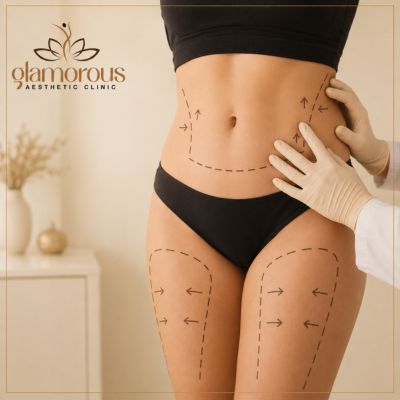
Understanding What Body Contouring Actually Does
Body contouring is a broad term that covers procedures designed to refine the shape of the body by removing stubborn fat, tightening loose tissue, or improving proportions. It is not a weight loss method. The aim is to enhance contour in areas that do not respond well to diet and exercise, such as the abdomen, flanks, thighs, arms, and under the chin.Clarity about this purpose matters. People who approach surgery as a substitute for healthy habits often feel let down, while those who see it as a refinement of an already stable lifestyle tend to be more satisfied. A good starting point is to ask what exactly bothers you about your body and whether surgery is the right tool to address it.
Setting Realistic Expectations
Expectations shape satisfaction more than almost any other factor. Surgery can improve shape, but it cannot create a completely different body or guarantee a particular look seen online or on someone else. Skin quality, bone structure, genetics, and the way a person stores fat all influence what is possible.A trustworthy surgeon will speak honestly about limits. If you are told that everything will be perfect or that no downsides exist, treat that as a warning sign. Realistic goals, discussed openly during consultation, are the foundation of a positive experience.
Your General Health and Medical History
Before any surgical procedure, your overall health needs careful review. Conditions such as diabetes, high blood pressure, heart disease, clotting disorders, and thyroid problems can affect safety and healing. Smoking is another major concern because it reduces blood flow and can slow recovery and increase the risk of complications.Be completely transparent with your doctor about your medical history, current medications, supplements, allergies, and previous surgeries. Details that seem unimportant can sometimes change the surgical plan. Medical tests are usually requested beforehand to confirm that you are fit for anesthesia and the procedure.
Weight Stability and Lifestyle Habits
Surgeons generally prefer patients who are close to a stable, healthy weight. Significant weight changes after surgery can alter the results, because remaining fat cells can still expand and the body may change shape again. Maintaining a balanced diet and regular activity before and after the procedure helps protect the outcome.It is also wise to think honestly about your lifestyle. Procedures remove fat cells from treated areas, but they do not prevent weight gain elsewhere in the body. Long-term results depend on the habits you maintain once the procedure is finished.
Choosing a Qualified Surgeon and Clinic
The expertise of the medical team is one of the most important considerations. Look for a specialist who has proper training, relevant experience, and a track record with the specific procedure you are considering. Ask about qualifications, how often they perform the procedure, and whether they can show genuine before and after results.The clinic environment matters as well. Facilities should be clean, well equipped, and staffed by trained professionals who follow proper safety standards. Pay attention to how the team communicates. A clinic that listens, answers questions patiently, and never pressures you into a decision is usually a better partner than one focused on quick bookings.
The Importance of a Thorough Consultation
A detailed consultation is where your plan truly takes shape. The specialist should examine the areas of concern, assess skin elasticity, discuss technique options, and explain which approach suits your body and goals. This is also the time to talk about anesthesia, the expected length of the procedure, and what the recovery will involve.Come prepared with questions. Ask what the risks are, what could affect your results, and what follow-up care is included. Take notes if it helps, and do not hesitate to seek a second opinion if something feels unclear. A responsible clinic welcomes that.
Understanding Risks and Possible Side Effects
Every surgical procedure carries some level of risk. Common temporary effects can include swelling, bruising, soreness, numbness, and uneven contours while the body heals. Less common complications may include infection, fluid collection, changes in skin sensation, or irregularities that need further attention.Knowing these possibilities beforehand allows you to weigh benefits against risks calmly. It also helps you recognize normal healing from signs that need prompt medical advice. The most reliable protection is choosing an experienced team and following their instructions carefully.
Planning for Recovery
Recovery deserves as much planning as the surgery. Most patients need some time away from work and strenuous activity, and the length depends on the extent of the procedure. Arrange transport home, set up a comfortable resting space, and have someone available to help in the early days if possible.Compression garments are often recommended to control swelling and support the new contour. Following instructions about movement, hydration, nutrition, and wound care helps healing progress smoothly. Rushing back to intense exercise too soon can interfere with results, so patience is essential.
Considering Cost and Value
Cost is an understandable concern, but it should never be the only deciding factor. Ask for a clear explanation of what the fee includes, such as consultation, anesthesia, facility charges, garments, and follow-up visits. Unusually low prices can signal compromises in safety, experience, or materials.Think of the procedure as an investment in your health and confidence. Paying for proper expertise and care is usually more valuable than saving money at the expense of quality, particularly since corrective procedures can cost more and add stress.
Emotional Readiness and Motivation
Your reasons for seeking surgery should come from within. Choosing a procedure to please someone else or to keep up with trends can lead to dissatisfaction. Ask yourself whether you feel prepared emotionally for the changes, the recovery period, and the time it takes to see the final result.Swelling can hide improvement for weeks, and the body continues to settle over several months. Having patience and a supportive circle of family or friends makes this period easier to manage.
Conclusion
Preparing for body contouring surgery involves much more than choosing a procedure. Realistic expectations, good health, stable habits, a qualified surgeon, a thorough consultation, an understanding of risks, and thoughtful recovery planning all work together to shape the final outcome. Taking the time to consider each of these areas helps you move forward with clarity and confidence. Glamorous Aesthetic Clinic encourages anyone considering body contouring to begin with a professional consultation, ask detailed questions, and make decisions at their own pace, so that the path to a more balanced and comfortable appearance is safe, informed, and well planned.