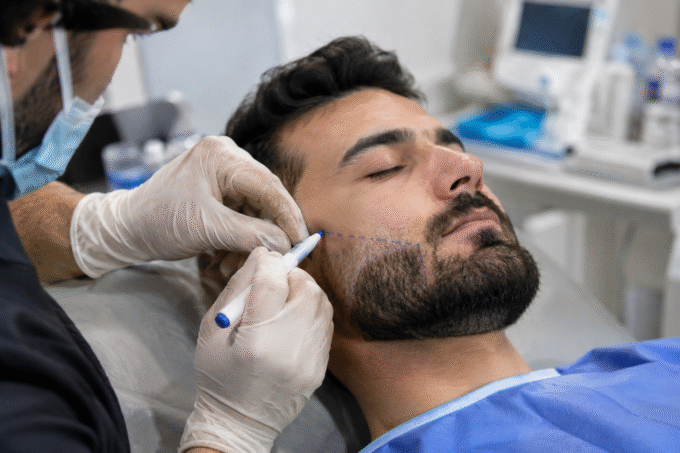



Hair loss is a common concern that affects people of different ages and can influence their confidence and overall appearance. Genetics, hormonal changes, aging, medical conditions, and lifestyle factors can contribute to thinning hair or baldness. Fortunately, modern hair restoration procedures offer effective ways to address permanent hair loss. A hair transplant is a popular option because it uses a person’s own healthy hair follicles to restore growth in areas where hair has become thin or disappeared. With proper planning and professional care, patients can achieve natural-looking results that complement their facial features.
Choosing a reliable clinic for a Hair transplant in Islamabad is an important step toward achieving satisfactory results. Modern techniques allow specialists to carefully relocate healthy follicles while considering natural hair direction, density, and hairline design. Before undergoing treatment, patients should understand how the procedure works, what results to expect, and which factors influence successful hair restoration.
How Does a Hair Transplant Restore Natural Hair?
A hair transplant restores natural-looking hair by transferring healthy hair follicles from a donor area to sections of the scalp affected by hair loss. The donor area is usually located at the back or sides of the head because these follicles are generally more resistant to genetic hair loss.
During the procedure, specialists carefully extract individual follicles or follicular units and implant them into areas with reduced hair density. Since the transplanted follicles come from the patient’s own scalp, the new hair can grow naturally after the healing process.
The transplanted hair gradually becomes part of the existing hair pattern. Once growth is established, patients can generally wash, cut, and style their transplanted hair like their natural hair.
Which Hair Transplant Techniques Produce Natural Results?
Modern hair restoration offers different techniques designed to achieve natural-looking coverage. The appropriate method depends on the patient’s hair condition, donor availability, and treatment goals.
Follicular Unit Extraction (FUE):
FUE involves extracting individual hair follicles from the donor area using specialized instruments. These follicles are then implanted into the thinning or bald sections of the scalp. The technique does not require removing a large strip of scalp and generally leaves tiny extraction marks.
Follicular Unit Transplantation (FUT):
FUT involves removing a narrow strip of scalp from the donor area. Individual follicular units are separated from this strip and implanted into the recipient area. This technique may be suitable for selected patients who require a larger number of grafts.
Both methods can produce natural-looking results when performed by experienced professionals. Patients can explore modern Hair transplant in Pakistan options to understand available procedures and determine which approach may suit their needs.
What Makes Hair Transplant Results Look Natural?
A successful hair transplant is not simply about increasing the number of hair follicles. The placement and arrangement of each graft play an important role in creating a realistic appearance.
Several factors contribute to natural-looking results:
– Hairline Design: The hairline should complement the patient’s facial structure, age, and natural hair growth pattern.
– Graft Placement: Follicles must be implanted at appropriate angles and directions to match surrounding hair.
– Hair Density: Proper distribution of grafts helps create balanced coverage without making the transplanted area appear unnatural.
– Hair Texture: The thickness, colour, and natural texture of existing hair should be considered during treatment planning.
– Surgeon’s Experience: Professional knowledge and technical skills help ensure accurate graft placement and a natural appearance.
Careful attention to these details can make transplanted hair blend smoothly with existing hair.
How Long Does It Take for Transplanted Hair to Grow?
Hair transplant results take time to become visible. Patients should understand that the procedure does not produce immediate hair growth. Instead, transplanted follicles pass through different stages before producing mature hair.
During the first few weeks, transplanted hair commonly sheds. This process is called shock loss and is generally an expected part of recovery. The follicles usually remain beneath the scalp and continue their growth cycle.
New hair growth often begins around three to four months after treatment. Between six and nine months, patients may notice improvements in hair coverage and thickness. More complete results generally become visible within 12 to 18 months, depending on individual healing and growth patterns.
Following medical instructions during recovery can help support the healing process.
Is Hair Transplantation a Permanent Solution?
Hair transplantation can provide long-lasting results because the follicles are usually taken from areas that are more resistant to genetic hair loss. Once established, these transplanted follicles can continue producing hair for many years.
However, it is important to understand that a hair transplant does not stop the natural progression of hair loss in untreated areas. Existing hair may continue becoming thinner due to genetics, aging, or hormonal changes.
Specialists may recommend suitable medications or other hair restoration treatments to help maintain existing hair. Regular follow-ups can also help monitor the condition of the scalp and evaluate long-term results.
Who Can Benefit from a Hair Transplant?
Hair transplantation may be suitable for individuals experiencing permanent hair loss who have enough healthy donor follicles. However, not everyone is an ideal candidate.
Potential candidates may include:
-
Individuals experiencing male or female pattern baldness.
-
People with receding hairlines or thinning crowns.
-
Patients with stable hair loss patterns.
-
Individuals with sufficient donor hair density.
-
People who have realistic expectations about treatment outcomes.
A specialist should examine the scalp, review medical history, and evaluate donor hair availability before recommending surgery. Patients with certain scalp conditions or insufficient donor hair may need alternative treatment options.
What Factors Affect Hair Transplant Success?
Several personal and medical factors influence the final appearance of transplanted hair. Understanding them can help patients prepare for treatment and develop realistic expectations.
Donor Hair Quality: Healthy follicles provide the foundation for successful transplantation. Limited donor availability may affect the amount of coverage achievable.
Scalp Condition: A healthy scalp supports healing and provides a suitable environment for transplanted follicles.
Surgeon’s Expertise: Proper extraction, handling, and implantation techniques are essential for protecting grafts and achieving natural results.
Hair Characteristics: Hair thickness, colour, texture, and curl pattern influence how dense the transplanted area appears.
Aftercare Routine: Following post-procedure instructions can reduce the risk of complications and support recovery.
Discussing these factors during consultation helps specialists create a treatment plan according to individual requirements.
How Should You Care for Transplanted Hair?
Aftercare is an important part of the hair restoration journey. Patients should carefully follow their specialist’s instructions to protect newly transplanted follicles and support healing.
Some important recommendations include:
-
Avoid scratching, rubbing, or touching the transplanted area unnecessarily.
-
Follow the prescribed scalp washing routine.
-
Avoid strenuous exercise until the surgeon permits it.
-
Protect the scalp from direct sunlight during early recovery.
-
Take prescribed medications according to medical instructions.
-
Maintain a balanced diet with adequate protein, vitamins, and minerals.
-
Attend scheduled follow-up appointments.
Patients should avoid using unapproved hair products during recovery because certain ingredients may irritate the scalp.
Can Transplanted Hair Match Your Original Hair?
Yes, transplanted hair can closely match natural hair because it comes from the patient’s own scalp. After healing and regrowth, it generally has the same characteristics as the donor hair, including texture, colour, and growth pattern.
However, the final appearance depends on proper graft placement and the natural characteristics of the donor follicles. Specialists must consider the direction and angle of hair growth to create a balanced appearance.
It is also important to remember that transplanted hair retains the characteristics of the donor area. Therefore, careful treatment planning is necessary to achieve results that look consistent with the patient’s existing hair.
Conclusion:
Hair transplants can restore natural-looking hair by relocating healthy follicles to areas affected by thinning or baldness. Modern techniques, proper hairline design, accurate graft placement, and professional aftercare all contribute to successful outcomes. Although results develop gradually, many patients experience improved hair coverage and confidence over time.
Before choosing treatment, individuals should consult an experienced specialist to evaluate their hair loss pattern, donor area, and restoration goals. Selecting an appropriate procedure and following medical recommendations can help achieve natural-looking and long-lasting hair restoration results.