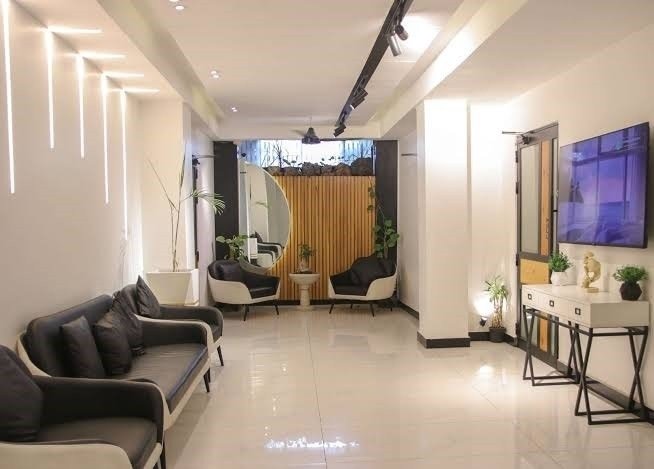


Flooring plays an important role in the appearance, comfort, and functionality of any residential or commercial property. A well-designed floor can improve the overall atmosphere of a room while adding value and durability to the interior. Tiles are a popular choice because they offer versatility, attractive designs, and relatively simple maintenance. They are available in numerous colors, textures, shapes, and finishes, making it easier to create interiors that reflect different styles and preferences. Choosing suitable flooring materials can also improve the practicality of a space by providing surfaces that are easy to maintain and capable of handling everyday activities.
Exploring Different Tile Options
Choosing the right tiles requires consideration of several factors, including appearance, durability, location, and maintenance requirements. Tiling Services in Mandeville LA help property owners explore suitable materials and designs for different spaces. Ceramic tiles are commonly used because they offer various colors, patterns, and finishes at different price points. Porcelain tiles are another popular option due to their density and durability, making them suitable for areas that experience regular use. Natural stone tiles can introduce a distinctive appearance with unique textures and patterns, while decorative tiles can add character to specific sections of an interior. Understanding the differences between available materials helps property owners select options that match their preferences and the intended purpose of each room.
Preparing Surfaces Before Installation
Surface preparation is one of the most important stages of a successful tiling project. Before installation begins, the existing surface should be inspected for cracks, uneven sections, moisture problems, and loose materials. An unstable foundation can affect tile alignment and may lead to damage over time. Removing debris, repairing imperfections, and creating a level surface helps establish suitable conditions for installation. Accurate measurements are equally important because they determine tile placement, spacing, and the overall appearance of the finished project. Proper preparation reduces installation difficulties and supports a smooth, attractive, and durable result.
Understanding the Tile Installation Process
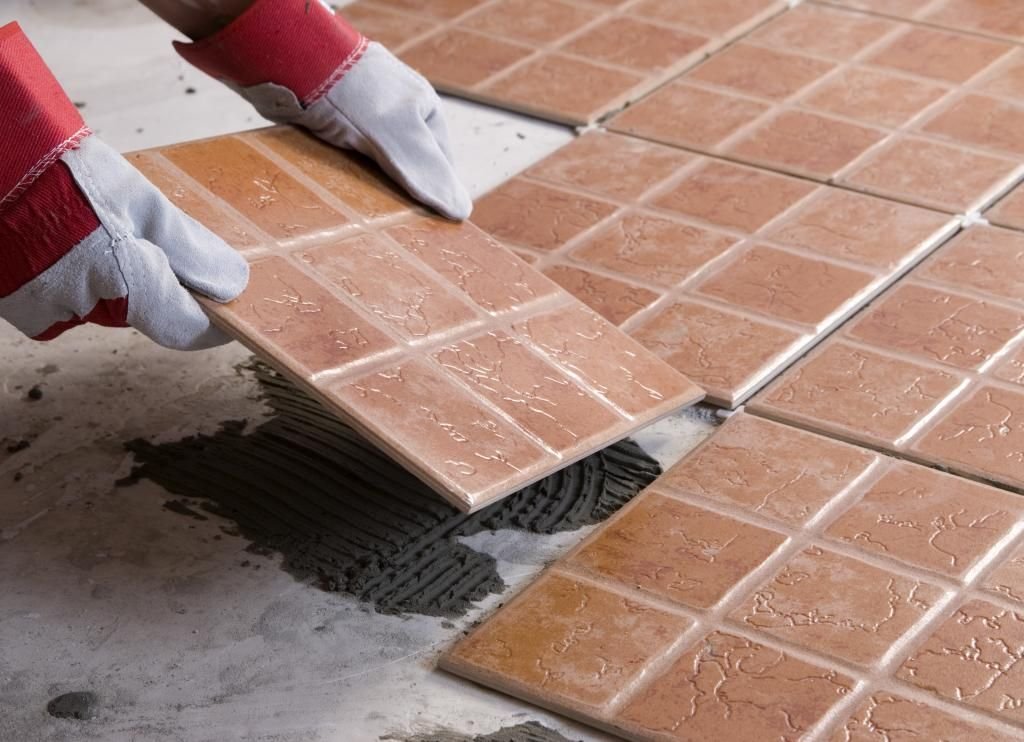
Installing tiles requires careful planning, accurate measurements, and attention to detail. The process generally begins with determining the layout to achieve balanced patterns and consistent spacing. Suitable adhesives are selected according to the tile material and surface requirements to ensure proper attachment. Spacers help maintain uniform gaps, while specialized cutting tools allow installers to fit tiles around corners, edges, fixtures, and other obstacles. After the adhesive has properly set, grout is applied between the tiles to fill the joints and create a finished appearance. Each stage contributes to the strength, alignment, and visual quality of the completed surface.
Benefits of Professional Workmanship
Quality workmanship can make a significant difference in the appearance and durability of tiled surfaces. Experienced installers understand how different materials behave and how to manage challenging areas such as corners, stairs, shower spaces, and uneven floors. Their knowledge helps reduce common installation problems, including inconsistent spacing, poor alignment, and unsuitable adhesive application. Skilled professionals can also provide guidance on selecting appropriate materials, planning decorative layouts, and maintaining consistent finishes. Working with experienced installers can save time, minimize material waste, and provide greater confidence that the project has been completed carefully and according to suitable installation practices.
Maintaining Tiles for Long-Term Performance
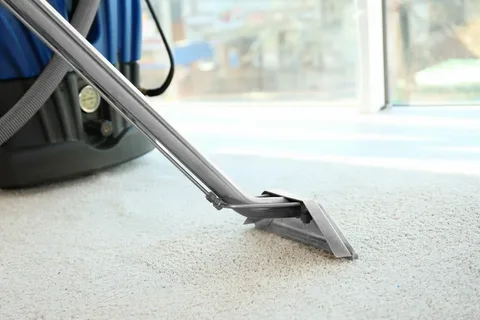
Regular maintenance helps preserve the appearance and condition of tiled surfaces. Sweeping or vacuuming removes loose dirt that may cause scratches, while routine mopping keeps floors looking fresh. Choosing appropriate cleaning products is important because certain chemicals can affect grout or delicate tile finishes. Spills should be cleaned promptly to reduce the possibility of staining, particularly on porous materials such as natural stone. Grout lines also require attention because accumulated dirt and moisture can gradually affect their appearance. Inspecting tiled areas for loose sections, damaged grout, or cracks allows property owners to address minor problems before they become more expensive repairs.
Creating Attractive and Functional Living Spaces
Tiles offer numerous opportunities to improve both the appearance and practicality of indoor and outdoor environments. Kitchen flooring benefits from surfaces that are relatively easy to clean after cooking activities, while bathroom tiles can create attractive surroundings when installed with appropriate waterproofing systems. Living rooms can feature large-format tiles, decorative patterns, or natural finishes that complement existing furniture and interior designs. Outdoor applications require carefully selected materials with suitable slip resistance and weather performance. Considering the purpose of each area helps property owners choose designs that balance visual appeal, safety, and everyday functionality.
Conclusion
Beautiful tiled surfaces can transform ordinary interiors into attractive, practical, and comfortable spaces. Selecting suitable materials, preparing surfaces properly, and following accurate installation techniques all contribute to successful results. Regular maintenance further protects tiled flooring and helps preserve its original appearance. Whether improving a single room or renovating an entire property, quality workmanship and thoughtful material selection can make a lasting difference. Contact an experienced tiling professional to discuss your project requirements and explore suitable options for creating durable and visually appealing surfaces.