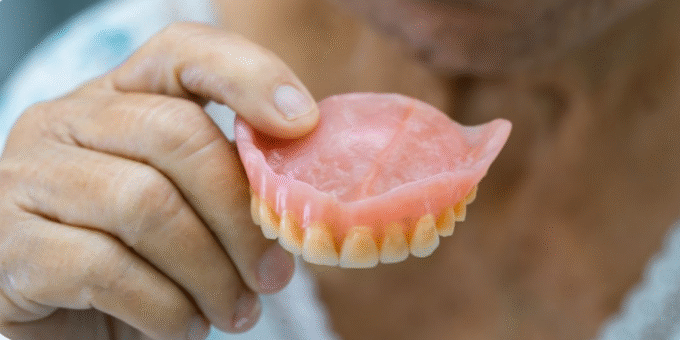
Getting dentures can make a big difference when missing teeth affect eating, speaking or confidence. However, wearing dentures for the first time can take some getting used to. They may feel unusual in your mouth, and you might need time to become comfortable with eating and speaking again.
Comfortable dentures should feel secure, fit properly and work well with your natural mouth movements. For patients in Peterborough, understanding what affects denture comfort can make the adjustment period easier and help you recognise when your dentures may need professional attention.
What Makes Dentures Comfortable?
The fit is one of the most important factors in denture comfort. Dentures that fit correctly should stay reasonably secure when you talk, smile and eat. They should not constantly rub against your gums or create painful pressure points. A personalised fit can also help you feel more confident when wearing them throughout the day.
The type of denture you need can also affect comfort. Full dentures may replace all the teeth in an upper or lower arch, while partial dentures replace selected missing teeth. The design, materials, bite and shape of your mouth all need to be considered when creating a comfortable denture.
Give Yourself Time to Adjust
It is normal for new dentures to feel strange initially. Your tongue and cheeks need time to adapt to the new shape in your mouth. You may also notice changes in your speech or find that some foods are more difficult to eat during the early stages.
Try not to expect everything to feel completely natural straight away. Start with softer foods cut into small pieces and gradually introduce harder foods as your confidence improves. Reading aloud and having regular conversations can also help you become more comfortable with speaking while wearing your dentures.
Choosing the Right Denture Type
Different types of dentures are available, and the right choice depends on how many teeth are missing and the condition of your remaining teeth and gums. A partial denture can be suitable when some natural teeth remain, while full dentures may be considered when all teeth in an arch are missing.
Your lifestyle should also be considered. Someone who regularly eats a wide range of foods may have different needs from someone mainly looking for a simple solution for everyday activities. Discussing your needs during an assessment can help ensure the denture design is appropriate for you.
Why a Good Fit Matters
A poorly fitting denture can make everyday activities frustrating. You may notice movement while chewing, difficulty speaking clearly or soreness where the denture repeatedly rubs against your gums. These problems should not simply be accepted as part of wearing dentures.
Changes in your mouth can also affect the fit over time. Your gums and the underlying bone can change naturally, meaning a denture that once fitted well may gradually become loose. In some situations, an adjustment or reline can improve the fit without immediately requiring a completely new denture.
Eating Comfortably with Dentures
Eating with dentures can require some practice. During the adjustment period, softer foods can be easier to manage. Cutting food into smaller pieces and chewing slowly can also make meals more comfortable. Try to use both sides of your mouth when chewing rather than putting all the pressure on one side.
As you become more familiar with your dentures, you can gradually return to a wider variety of foods. If your dentures continue to move when you chew or you regularly experience discomfort, it is worth having the fit checked rather than changing your diet permanently.
Speaking with New Dentures
Some people notice a difference in their speech when they first start wearing dentures. Certain sounds may feel unfamiliar because your tongue has to adjust to the new shape and position of the teeth. This does not necessarily mean that the dentures are unsuitable.
Practising speaking can help your mouth adjust. Reading a book or newspaper aloud for a few minutes each day can be useful. However, if your dentures repeatedly move when you speak or you cannot pronounce certain sounds comfortably after the adjustment period, a professional fitting assessment may be helpful.
Dealing with Sore Spots and Irritation
Mild tenderness can occur while your mouth adjusts to new dentures, but persistent soreness should not be ignored. A particular area of the denture may be pressing against your gum, especially if the fit is slightly uneven.
Professional adjustments can sometimes remove pressure from these areas and improve comfort. Avoid trying to file, cut or reshape your dentures yourself, as this can permanently damage them and may make the fitting problem worse. If discomfort continues, arrange an assessment so the cause can be properly identified.
Looking After Your Dentures
Daily denture care is important for both comfort and hygiene. Dentures should be cleaned regularly to remove food particles and build-up. You should also keep your mouth clean by gently cleaning your gums, tongue and any remaining natural teeth.
Handle your dentures carefully when taking them out or putting them in. When they are not being worn, they should be stored appropriately so they do not dry out or become damaged. Good care can help maintain the condition of your dentures and may also help you continue wearing them comfortably.
When Do Dentures Need an Adjustment?
Sometimes dentures become uncomfortable even after you have been wearing them successfully for a long time. Movement, clicking, sore gums or difficulty chewing can be signs that the fit has changed. This can happen because your mouth naturally changes over time.
An adjustment or reline may be considered depending on the condition of the denture and your mouth. If the denture is badly worn, damaged or no longer suitable, replacement may be discussed. Regular professional checks can help identify these problems before they become more disruptive.
Finding the Right Denture Clinic in Peterborough
When choosing a denture clinic peterborough, look for a service that considers more than the appearance of the finished dentures. Ask about fitting, adjustments, repairs and aftercare so you know what support is available if your dentures become uncomfortable.
It is also useful to explain your normal routine and any difficulties you have experienced with previous dentures. Information about eating, speaking, movement or sore gums can help a professional understand your needs and recommend a suitable approach. A comfortable denture should support everyday activities rather than make them more difficult.
Conclusion
Comfortable dentures are the result of the right design, accurate fitting, proper care and enough time to adjust. Feeling slightly unfamiliar with new dentures at first is normal, but ongoing pain, excessive movement or repeated irritation should be checked.
For Peterborough patients, taking care of dentures and arranging professional adjustments when needed can make everyday wearing much easier. With the right fit and good maintenance, dentures can help you eat, speak and smile with greater comfort and confidence.