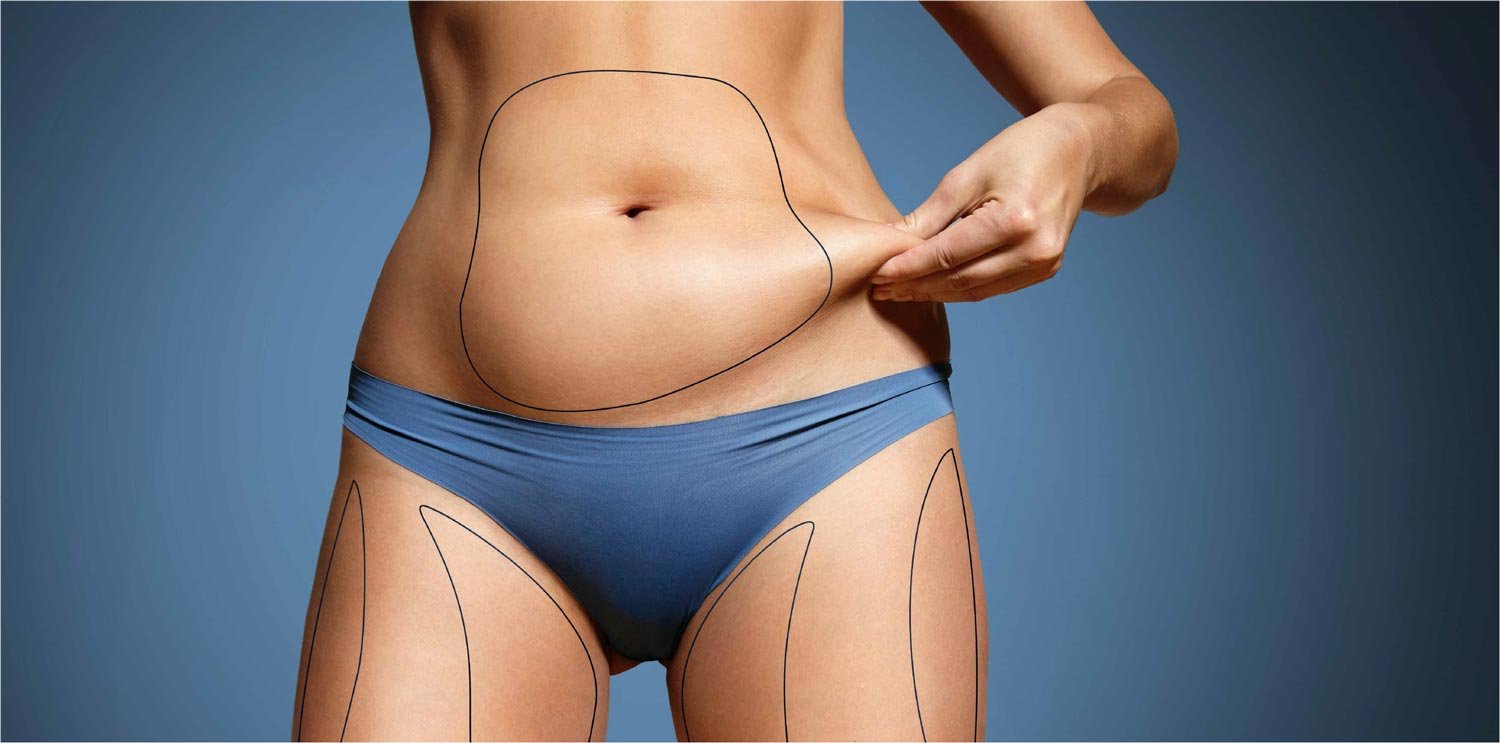
Abdominal contouring is a personal decision that involves more than removing excess skin or creating a flatter stomach. Every individual has a different body structure, waistline, torso length, skin condition, and distribution of abdominal fat. These differences influence how the abdomen looks in relation to the chest, hips, waist, and overall silhouette. Before surgery, understanding these proportions helps a surgeon develop an approach that reflects the patient’s anatomy and aesthetic goals.
For individuals considering Abdominoplasty Dubai, the consultation process provides an opportunity to assess abdominal concerns in the context of the whole body. Rather than focusing exclusively on the area around the belly button, a surgeon considers how the abdomen connects with surrounding structures and how potential changes may affect overall body balance.
Dr. Shahram Sajjadi can assess individual anatomical characteristics and discuss suitable surgical approaches based on the patient’s concerns and expectations. Understanding the relationship between body proportions and abdominal contouring helps patients make informed decisions about the procedure and the results they hope to achieve.
Why Do Individual Body Proportions Matter Before Abdominoplasty?
Body proportions influence the appearance of the abdomen from different angles. Two people with similar amounts of loose skin may have different underlying abdominal structures, waist shapes, and torso lengths. Consequently, the same surgical approach may not produce the same visual effect for every patient.
A preoperative assessment considers the abdomen as part of the body’s overall silhouette. The surgeon evaluates the relationship between the upper and lower abdomen, the natural waistline, the hips, and the chest. These observations help establish realistic objectives for improving abdominal contours.
For example, a patient with a relatively short torso may have different contouring considerations from someone with a longer torso. Similarly, a person with wider hips may have different aesthetic priorities from someone with a narrower pelvic structure.
The purpose of this assessment is not to make every body conform to one ideal shape. Instead, it is to determine how surgery may improve the abdominal area while respecting natural anatomical differences.
How Is the Abdomen Assessed in Relation to the Waist and Hips?
The waist and hips play an important role in the overall appearance of the midsection. Their proportions influence whether the abdomen appears straight, tapered, or more rounded when viewed from the front and side.
During consultation, the surgeon may examine the natural waistline, the width of the hips, the distribution of soft tissue, and the transition between the abdomen and flanks. This helps identify which areas contribute most to the patient’s concerns.
For instance, a patient may primarily notice fullness in the lower abdomen, while another may be concerned about loose skin extending across the central abdomen and sides. These differences affect how the surgeon evaluates the area and discusses the potential scope of surgery.
Abdominoplasty is mainly intended to address excess abdominal skin and, where appropriate, underlying muscle separation. It does not automatically change the width of the hips or remove all fat around the waist. If the patient’s goals involve several areas, the surgeon can explain which concerns may be addressed through abdominoplasty and which may require a different or additional approach.
For patients exploring Best abdominoplasty Dubai, understanding these distinctions is an important part of choosing a treatment plan that reflects their anatomy rather than relying on a standardised result.
How Does Torso Length Influence Surgical Planning?
Torso length affects the available space between the rib cage and pelvis, the position of the waist, and the appearance of abdominal skin. These features are considered when assessing how much loose skin is present and how the abdomen may look after surgery.
A person with a shorter torso may have a relatively compact abdominal area, while someone with a longer torso may have a different distribution of skin and soft tissue. The surgeon examines the upper and lower abdomen to understand where laxity is most noticeable and how the skin behaves when the patient stands or changes position.
The distance between the belly button and the lower abdominal crease is also relevant. Existing skin folds, the position of the navel, and the amount of skin available for adjustment may influence the surgical plan.
Rather than using torso length as a single deciding factor, the surgeon considers it alongside skin elasticity, abdominal muscle condition, previous changes in body weight, and the patient’s preferred outcome. This combined assessment helps determine whether a full abdominoplasty or another approach may be more appropriate.
What Role Does Skin Quality Play in Body Contouring?
Skin quality is an important consideration because abdominal skin varies considerably from person to person. Factors such as age, pregnancy, weight changes, genetics, and natural skin elasticity can influence how the abdomen appears.
Some patients have relatively firm skin with a small area of looseness beneath the belly button. Others have more extensive folds, stretched skin, or laxity that extends across the upper and lower abdomen.
During an assessment, the surgeon examines the location and extent of excess skin, its elasticity, and how it sits against the underlying tissues. The aim is to understand whether the patient’s primary concern relates to skin laxity, abdominal fullness, muscle separation, or a combination of these features.
The distribution of loose skin can also affect the amount and location of tissue that may be removed. However, the final plan depends on the patient’s individual anatomy and the practical limits of the procedure.
A detailed discussion about skin quality helps establish realistic expectations and clarifies which aspects of the abdominal contour may be improved through surgery.
How Are Abdominal Muscles Considered Before Surgery?
The appearance of the abdomen is not determined by skin and fat alone. The underlying abdominal wall also contributes to the shape and projection of the midsection.
In some individuals, the abdominal muscles may have separated along the midline, a condition known as diastasis recti. This can occur after pregnancy and may also be associated with other changes in the abdominal wall. It can contribute to a protruding abdominal profile even when excess fat is not the main concern.
During consultation, the surgeon considers the abdominal wall’s condition and whether muscle separation may be contributing to the patient’s concerns. The assessment may involve a physical examination and a review of relevant medical and surgical history.
When clinically appropriate, muscle repair may be included as part of abdominoplasty. Tightening the separated muscles can help improve the contour of the abdominal wall, although the suitability of this technique depends on the individual’s circumstances.
It is important to distinguish between excess skin, localised fat, and changes in the abdominal muscles. Each affects the abdomen differently, so identifying the principal concern helps guide an appropriate surgical plan.
How Do Previous Pregnancy and Weight Changes Affect Proportions?
Pregnancy and substantial changes in body weight can alter abdominal contours in different ways. These changes may affect skin elasticity, the abdominal wall, the position of the navel, and the distribution of soft tissue.
After pregnancy, some individuals notice loose skin below the belly button, while others experience more widespread laxity or abdominal muscle separation. Following significant weight loss, excess skin may extend across a larger portion of the abdomen and sometimes into the flanks.
The surgeon considers these changes alongside the patient’s current body shape and long-term goals. Previous pregnancies, weight fluctuations, abdominal procedures, and the stability of current weight may all be relevant to treatment planning.
For people who are considering future pregnancies or anticipate substantial weight changes, discussing timing is particularly important. These factors may influence when surgery is most appropriate and how long-term expectations should be approached.
A personalised assessment helps distinguish between changes that may respond to abdominoplasty and those that are better addressed through other measures.
How Is the Appropriate Type of Abdominoplasty Selected?
Abdominoplasty is not a single approach that suits everyone. The choice of technique depends on the extent of excess skin, the distribution of abdominal laxity, muscle condition, body proportions, and the patient’s goals.
A full abdominoplasty may be considered when excess skin and contour concerns extend across a substantial part of the abdomen, particularly when both upper and lower abdominal areas require attention.
A mini abdominoplasty may be suitable for selected patients whose concerns are concentrated in the lower abdomen. However, the amount of skin laxity, the position of the navel, and the condition of the abdominal muscles must be assessed before this option is considered.
Patients with more extensive changes following significant weight loss may require a different discussion about the scope of surgery and the areas involved.
The surgeon explains the differences between possible approaches and identifies which features of the abdomen each technique can realistically address. This discussion helps ensure that the proposed procedure aligns with the patient’s anatomy rather than simply reflecting a preferred procedure name.
How Are Personal Goals Balanced With Natural Body Shape?
Patients approach abdominal contouring with different expectations. Some want to reduce the appearance of loose skin, while others are more concerned about a protruding lower abdomen or a loss of definition around the waist.
During consultation, the surgeon should understand what the patient notices most about their current shape and what they would like to change. Discussing these priorities helps distinguish between essential goals and preferences that may not be achievable through abdominoplasty alone.
Natural body structure remains an important consideration. Surgery can improve selected abdominal contours, but it cannot completely redesign the underlying skeleton, change pelvic width, or guarantee a particular waist-to-hip ratio.
A realistic treatment plan therefore focuses on achievable improvements while preserving an appearance that is appropriate for the patient’s anatomy. Clear communication about the expected changes helps patients evaluate their options and make decisions with greater confidence.
What Should Patients Discuss During an Abdominoplasty Consultation?
A useful consultation involves more than identifying the area of loose skin. It should provide a clear understanding of the patient’s anatomy, treatment priorities, and the proposed surgical approach.
Patients may wish to discuss their current weight and its stability, previous pregnancies, abdominal procedures, relevant medical history, and any concerns about the abdominal muscles. They should also explain whether their main priority is the lower abdomen, the entire abdominal wall, or the transition between the waist and hips.
The surgeon may examine the abdomen while standing and in different positions to assess skin folds, contour, and the distribution of soft tissue. Measurements and clinical observations can help inform planning, although they do not determine the outcome on their own.
Patients should also ask what changes are realistic, which concerns may remain after surgery, and how the proposed approach relates to their individual proportions.
For those researching Abdominoplasty Dubai, these discussions provide a more meaningful basis for evaluating treatment options than comparing procedures by name alone.
Conclusion
Individual body proportions are central to abdominoplasty planning because every patient has a different combination of torso length, waist and hip shape, skin elasticity, abdominal muscle condition, and aesthetic priorities. Evaluating these features allows the surgeon to understand the reasons behind the patient’s concerns and consider an approach suited to their anatomy.
A personalised consultation with Dr. Shahram Sajjadi can help clarify whether a full or mini abdominoplasty may be appropriate, which abdominal features can be addressed, and what results are realistic to expect. For anyone exploring Best abdominoplasty Dubai, the most useful starting point is an individual assessment that prioritises anatomical suitability, clear communication, and realistic expectations.
Frequently Asked Questions
1. Why are body proportions important before abdominoplasty?
Body proportions help the surgeon understand how the abdomen relates to the waist, hips, chest, and torso. This assessment supports personalised planning and helps establish realistic expectations.
2. Does abdominoplasty make the waist smaller?
Abdominoplasty can improve abdominal contours by removing excess skin and, when appropriate, repairing separated abdominal muscles. The effect on waist appearance varies, and the procedure does not automatically reduce the width of the hips or remove all fat around the waist.
3. Is a full abdominoplasty always better than a mini abdominoplasty?
No. A full procedure may be more appropriate for widespread abdominal skin laxity, whereas a mini procedure may suit selected patients with concerns concentrated below the belly button. The choice depends on an individual clinical assessment.
4. How does skin elasticity affect abdominoplasty planning?
Skin elasticity and the distribution of loose skin help the surgeon determine which areas may benefit from removal and how the procedure should be planned. The extent of improvement depends on individual anatomy and the selected approach.
5. Can abdominoplasty address separated abdominal muscles?
In suitable patients, abdominoplasty may include repair of separated abdominal muscles, known as diastasis recti. The surgeon assesses the abdominal wall to determine whether muscle repair is appropriate.
6. Does previous pregnancy affect the choice of abdominoplasty?
Yes. Pregnancy can contribute to loose skin, changes in abdominal muscle position, and altered abdominal contours. The extent of these changes helps guide the assessment and choice of procedure.
7. Is body weight considered before abdominoplasty?
Yes. Current weight, weight stability, and anticipated future changes are relevant to planning. A stable weight is generally preferred because substantial changes after surgery can affect the abdominal contour.
8. How can I determine whether I am suitable for abdominoplasty in Dubai?
The first step is a consultation with a qualified plastic surgeon who can assess your abdominal skin, muscle condition, body proportions, medical history, and goals. This evaluation helps determine whether abdominoplasty or another approach is suitable for your needs.