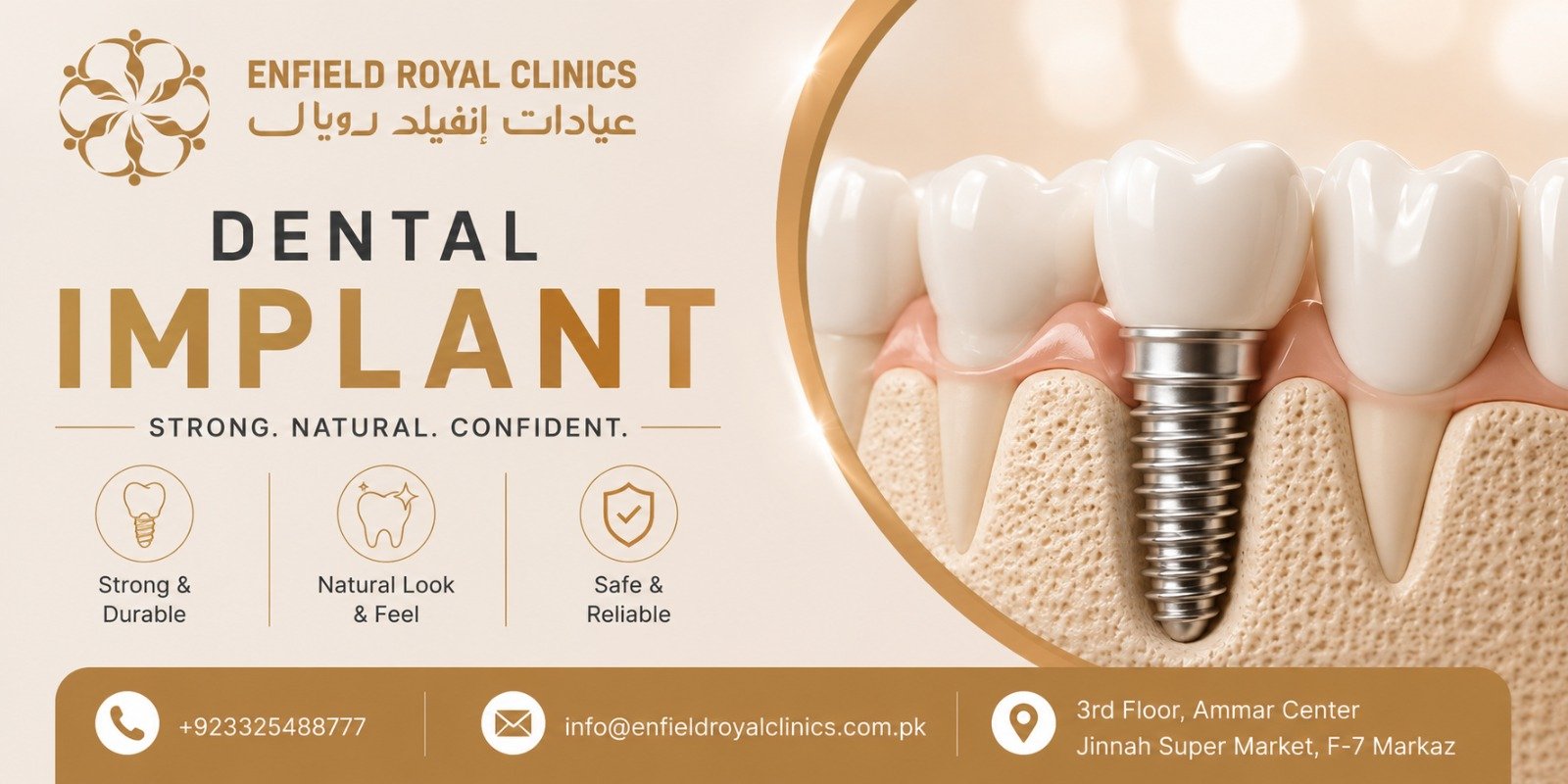
When a tooth is lost, choosing the right replacement can make a major difference to oral function, appearance, and long-term comfort. Patients often want a solution that does more than temporarily fill a gap. Dental Implants are widely considered a long-term tooth replacement option because they are placed directly into the jawbone and can provide a stable foundation for replacement teeth.
However, calling an implant “permanent” requires some clarification. The implant itself can be designed to remain in the jaw for many years, but the visible crown, bridge, or denture attached to it may eventually require maintenance or replacement. Longevity depends on oral hygiene, gum health, bite forces, lifestyle, and professional dental care.
What Makes Dental Implants a Long-Term Solution?
A dental implant is different from many traditional tooth replacement options because it replaces the root of a missing tooth. The implant is inserted into the jawbone, where it can integrate with the surrounding bone.
After successful healing, the implant provides a stable foundation for a dental crown, bridge, or full-arch restoration. Because the implant is anchored within the jaw, it does not simply rest on the gums.
This root-like design is one of the main reasons implants are considered a long-term option for replacing missing teeth.
Can Dental Implants Last for Life?
In some patients, an implant may remain functional for decades and potentially for the rest of their life. However, no dental treatment can guarantee that an implant will last forever.
Several factors influence implant longevity. These include the quality of the initial treatment, bone and gum health, oral hygiene, smoking habits, bite pressure, general health, and regular dental monitoring.
The visible restoration attached to the implant may experience normal wear over time and could need repair or replacement even when the implant remains healthy.
How Long Can the Implant and Crown Last?
The implant and the dental crown are separate components. The implant is positioned inside the jawbone, while the crown is the visible tooth-shaped restoration.
With appropriate care, the implant can provide long-term support. The crown may have a different lifespan because it is exposed to everyday biting and chewing forces.
This means a patient may eventually need a new crown while continuing to use the original implant. Replacing the restoration does not necessarily mean that the implant itself has failed.
Why Is Bone Integration Important?
A key stage of implant treatment is osseointegration. During this process, the jawbone gradually forms a close connection with the implant surface.
Successful integration gives the implant the stability needed to support a replacement tooth. The quality and quantity of available bone are therefore important considerations when planning treatment.
Patients with insufficient bone may sometimes require additional procedures to improve the implant site before placement.
Can Dental Implants Fail?
Although Dental Implants have a strong track record as a tooth replacement option, complications can occur. Implant failure may be associated with factors such as infection, inadequate bone support, excessive forces, poor oral hygiene, or problems during healing.
Gum inflammation around an implant can also affect the tissues supporting it. This is why regular dental examinations and proper home care are important.
Early professional attention can help identify problems before they become more serious.
Does Oral Hygiene Affect Implant Longevity?
Yes. Good oral hygiene is essential for maintaining healthy tissues around an implant. Patients should brush regularly and clean around their implant-supported restoration according to their dentist’s recommendations.
Cleaning between teeth and around the implant can help control plaque buildup. Regular professional appointments also allow the dental team to monitor the implant and surrounding tissues.
Taking care of an implant-supported tooth should be viewed as a long-term commitment rather than a one-time procedure.
Are Dental Implants More Permanent Than Dentures?
Traditional removable dentures can replace missing teeth effectively, but they may require adjustments or replacement over time as the mouth changes.
Implants offer a different approach because they are anchored into the jawbone. Implant-supported dentures can combine the removable nature of dentures with increased support from implants.
The best choice depends on the number of missing teeth, bone condition, oral health, personal preferences, and treatment goals.
Can One Implant Last as Long as Multiple Implants?
The number of implants does not automatically determine their lifespan. A single implant replacing one tooth and several implants supporting a larger restoration can both provide long-term solutions when properly planned and maintained.
Each implant site has individual characteristics. Bone quality, gum health, biting forces, cleaning ability, and restoration design can all influence long-term performance.
What Can Help Dental Implants Last Longer?
Patients can take several steps to support the longevity of their implant treatment:
- Maintain consistent oral hygiene.
- Attend regular dental checkups.
- Follow professional cleaning recommendations.
- Avoid using teeth or restorations to open hard objects.
- Follow post-treatment instructions carefully.
- Report unusual discomfort, swelling, or movement promptly.
- Maintain healthy gums around the implant.
Regular monitoring is especially important because early signs of implant-related problems may not always be obvious.
Who Is a Good Candidate for Long-Term Implant Treatment?
Many adults with missing teeth may be potential candidates for implants. However, a dental professional must assess each patient individually.
The evaluation may include the condition of the jawbone, gum health, remaining teeth, bite, oral hygiene, and treatment expectations. If oral health problems are present, they may need to be addressed before implant placement.
A personalized treatment plan can help improve the chances of achieving a stable, functional, and long-lasting result.
Final Thoughts
Are Dental Implants a permanent tooth replacement? They can provide a very long-term solution and may remain functional for many years, but “permanent” does not mean that every component will last forever without maintenance.
The implant itself can potentially remain in the jaw for decades, while the crown or other restoration may eventually require repair or replacement. Good oral hygiene, healthy gums, regular dental visits, and appropriate professional care are essential for maximizing longevity.
If you are considering dental implants, a thorough dental assessment can help determine whether they are suitable for you and how they can be maintained for long-term results.
For more information visit Enfield royal clinic in islamabad