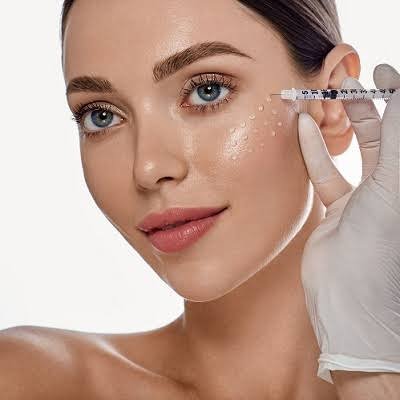
People have different skin types, including dry, oily, combination, normal, and sensitive skin. Skin Booster Clinic Dubai may be suitable for many people, but they are not automatically appropriate for every skin type or every skin condition. The decision depends on the person’s skin quality, medical history, treatment goals, and the specific injectable product being considered. Skin boosters are generally designed to improve hydration, smoothness, and overall skin quality rather than dramatically change facial structure. Research on hyaluronic acid skin-booster treatments has reported improvements in hydration and elasticity, with mostly mild and temporary adverse effects in the study population.
Can Every Skin Type Receive Skin Boosters?
Having a particular skin type does not automatically prevent someone from receiving a skin booster. People with dry, oily, combination, or normal skin may potentially be candidates when the treatment is appropriate for their concerns.
However, skin type and skin condition are not the same thing.
For example, someone may have oily skin but also have active inflammation or infection. Another person may have dry skin because of temporary irritation or an underlying skin condition. These factors can be more important than whether the skin is classified as oily or dry.
A professional assessment should therefore be completed before treatment.
Are Skin Boosters Suitable for Dry Skin?
Dry skin is one of the concerns that may make someone interested in a skin-quality treatment. When the skin lacks moisture, it can appear dull, rough, tight, or less supple.
Certain skin boosters are designed to improve hydration within the treated skin. Hyaluronic acid, for example, can bind water and is used in several injectable products intended to improve skin appearance.
Improved hydration may make dry skin look smoother and more refreshed. However, injectable treatment should not replace a basic skincare routine that includes appropriate moisturization and sun protection.
Can Oily Skin Receive Skin Booster Injections?
Yes, oily skin does not automatically make someone unsuitable for a skin booster.
People with oily skin can still experience dehydration, fine lines, rough texture, or dull-looking skin. Oily skin refers mainly to increased sebum production, while dehydration refers to insufficient water in the skin. These are different concerns and can occur together.
A skin booster may be considered when the treatment goal involves hydration or skin quality. However, it is not primarily a treatment for excessive oil production or active acne.
If active acne or significant inflammation is present, the skin should be assessed before injections.
Are Skin Boosters Suitable for Combination Skin?
Combination skin has areas with different characteristics, such as an oilier T-zone and drier cheeks.
This does not necessarily prevent skin booster treatment. Instead, the practitioner may assess which areas actually require treatment and whether the selected product is appropriate.
The goal should be to address a specific skin-quality concern rather than treating every part of the face simply because the skin has more than one characteristic.
Can Normal Skin Benefit From Skin Boosters?
People with relatively normal skin may also consider skin boosters when they want to improve hydration, smoothness, or early signs of skin aging.
However, having healthy-looking skin does not automatically mean that an injectable treatment is necessary.
A consultation can help determine whether the expected improvement justifies the procedure and whether a non-invasive skincare approach may be sufficient for the person’s concerns.
Are Skin Boosters Suitable for Sensitive Skin?
Sensitive skin requires additional consideration but is not automatically a reason to avoid treatment.
People with stable, mildly reactive skin may potentially be suitable after assessment. However, active irritation, rash, inflammation, or infection can be reasons to postpone injectable treatment.
The FDA advises patients to tell their healthcare provider if the proposed treatment area is inflamed or infected and states that dermal filler injection should be delayed until an active inflammatory condition or infection has been managed.
Anyone with a history of significant allergies should also discuss this with the treating professional.
What About Acne-Prone Skin?
Acne-prone skin may still be suitable for certain skin booster treatments, but active acne should be evaluated first.
Skin boosters are not primarily designed to treat active acne. If the skin has inflamed lesions, infection, or significant irritation in the treatment area, the procedure may need to be postponed.
Once active acne is controlled, a practitioner can determine whether a skin booster has a role in addressing remaining concerns such as dryness, uneven texture, or reduced skin quality.
Can Skin Boosters Be Used on Mature Skin?
Mature skin can experience several changes, including reduced hydration, fine lines, loss of elasticity, and changes in texture.
Skin boosters may be considered when hydration and skin quality are among the main concerns. Research into hyaluronic acid booster injections has reported improvements in measures of hydration and elasticity, although individual results can vary.
However, skin boosters cannot be expected to correct every age-related change. Significant skin laxity, deeper folds, or substantial volume loss may require a different treatment approach.
Are Skin Boosters Suitable for Darker Skin Tones?
Skin tone by itself does not necessarily determine whether someone can receive a skin booster. People with a wide range of skin tones may be considered for injectable skin-quality treatments.
However, individual risks and skin responses should still be evaluated. Injectable procedures can sometimes cause inflammation, and inflammatory changes may be followed by pigmentation changes in some individuals.
The FDA has noted that post-inflammatory hyperpigmentation can be a consideration with dermal filler procedures, particularly in people with higher Fitzpatrick skin types.
This does not mean that people with darker skin cannot receive treatment. It highlights why appropriate technique, product selection, and professional assessment are important.
Does Skin Type Affect the Treatment Product?
Yes. The appropriate product depends on more than skin type.
Different injectable products have different formulations, intended uses, injection depths, and approved indications. For example, the FDA-approved SKINVIVE by JUVÉDERM is specifically indicated for intradermal injection to improve cheek skin smoothness in adults aged 21 and older in the United States.
Therefore, the term “skin booster” does not describe one universal product. The specific product should be identified before discussing whether it is suitable for a particular person or treatment area.
Can Skin Boosters Treat Dehydrated Skin?
Yes, improving hydration is one of the reasons certain skin boosters are used.
Dehydrated skin may appear dull, tight, rough, or more lined. Improving hydration can make the skin appear more supple and smoother.
However, dehydration can also result from environmental exposure, harsh skincare products, excessive exfoliation, or a damaged skin barrier. These causes should be considered before deciding on an injectable treatment.
Can Skin Boosters Treat Sensitive or Irritated Skin?
A skin booster should not be used simply to treat active irritation.
If the skin is currently inflamed, infected, or significantly compromised, the underlying issue should generally be evaluated first. Injecting into actively irritated skin may make it more difficult to distinguish an existing skin problem from a reaction to treatment.
Once the skin has stabilized, a practitioner can reassess whether an injectable procedure is appropriate.
What Conditions Should Be Discussed Before Treatment?
A consultation should include relevant medical and skin information. Important factors may include:
- Active acne or inflammation
- Skin infections
- Allergies
- Previous reactions to injectable products
- Bleeding disorders
- Current medications
- Recent cosmetic procedures
- Pregnancy or breastfeeding
- Existing skin conditions
- Previous facial injections
The FDA notes that dermal fillers may not be appropriate for people with certain allergies or bleeding disorders and that safety can vary depending on the specific product and indication.
What Happens During a Skin Assessment?
The practitioner should first identify the main reason for considering treatment.
They may evaluate hydration, texture, elasticity, fine lines, pigmentation, acne, sensitivity, and other visible concerns. Medical history and previous aesthetic treatments should also be reviewed.
This assessment helps determine whether a skin booster is actually addressing the patient’s concern.
For example, someone with significant pigmentation may need a pigmentation-focused treatment, while someone with substantial loose skin may need a treatment specifically intended to address laxity.
Are There Side Effects for Different Skin Types?
Temporary reactions can occur regardless of skin type. These may include:
- Redness
- Swelling
- Bruising
- Tenderness
- Mild pain
- Itching
- Small bumps
- Temporary firmness
The FDA lists bruising, redness, swelling, pain, tenderness, itching, and rash among possible risks of dermal filler injections.
Rare but serious complications can also occur with injectable fillers, including unintended injection into a blood vessel. The FDA warns that this can potentially cause tissue damage, vision abnormalities, blindness, or stroke.
This is why injectable treatments should be performed by appropriately trained medical professionals.
Can Skin Boosters Be Used on All Parts of the Face?
No. The suitability of a skin booster depends on the specific product and intended treatment area.
A product approved or intended for one area should not automatically be used somewhere else. The FDA emphasizes that different filler products have different approved uses and that patients should discuss the injection site and associated risks with their healthcare provider.
This is particularly important for delicate areas such as around the eyes.
How Can You Prepare for Skin Booster Treatment?
Preparation depends on the specific product and your individual circumstances.
Before treatment, tell the practitioner about:
- Your current skincare routine
- Prescription medications
- Supplements
- Allergies
- Previous injectable treatments
- Recent chemical peels or laser procedures
- Active skin problems
- Previous reactions to cosmetic treatments
Do not hide a skin condition simply because it seems unrelated to the procedure. Accurate medical information helps the practitioner make a safer treatment decision.
Are Skin Boosters Suitable for Everyone?
No cosmetic injectable should be considered suitable for everyone.
The fact that a person has dry, oily, combination, normal, sensitive, or mature skin does not by itself determine candidacy. The overall condition of the skin and the individual’s medical circumstances are more important.
Some people may be better suited to topical skincare or another cosmetic procedure, while others may benefit from an injectable skin-quality treatment.
Choosing Skin Booster Injections in Dubai for Your Skin Type
If you are considering Skin Booster Injections in Dubai, it is important to choose treatment according to your actual skin concerns rather than simply your skin type.
A professional consultation can help identify whether your main concern is dehydration, rough texture, fine lines, dullness, early loss of elasticity, pigmentation, acne, or another issue. The practitioner can then determine whether a skin booster is appropriate and which product and treatment approach may be suitable.
Conclusion
Skin booster injections may be suitable for many different skin types, including dry, oily, combination, normal, and some sensitive skin. However, there is no single skin booster treatment that is appropriate for everyone.
The specific product, treatment area, skin condition, medical history, allergies, and treatment goals all need to be considered. Active infection, significant inflammation, or certain medical conditions may require treatment to be postponed or avoided.
A professional assessment is therefore more useful than judging suitability based only on whether your skin is oily, dry, sensitive, or another type. The aim should be to select a treatment that addresses the actual concern while keeping expectations realistic.
FAQs
Are skin booster injections suitable for dry skin?
They may be suitable for some people with dry skin, particularly when dehydration contributes to roughness or dullness. The underlying cause of dryness should still be assessed first.
Can people with oily skin get skin boosters?
Yes. Oily skin does not automatically prevent treatment. However, skin boosters are not primarily designed to control excess oil or treat active acne.
Are skin boosters safe for sensitive skin?
Some people with sensitive skin may be suitable candidates, but active irritation, inflammation, infection, or significant allergies should be assessed before treatment.
Can skin boosters be used on combination skin?
They may be considered for combination skin when there is a specific skin-quality concern. The practitioner can determine which areas need treatment.
Can skin boosters treat acne-prone skin?
They are not primarily an acne treatment. Active inflammatory acne may need to be managed before an injectable skin-quality treatment is considered.
Are skin boosters suitable for mature skin?
They may be considered for concerns such as dehydration, fine lines, and reduced skin quality. Significant laxity or volume loss may require another treatment approach.
Can people with darker skin tones receive skin boosters?
Skin tone alone does not automatically prevent treatment. However, individual risks, including the possibility of post-inflammatory pigmentation changes, should be considered.
Is every skin booster suitable for every skin type?
No. Different products have different formulations, indications, treatment areas, and safety information. The specific product should be assessed before treatment.
Can skin boosters be used when the skin is inflamed?
Active inflammation or infection should be discussed with the treating professional. The FDA recommends delaying dermal filler injection until an active inflammatory condition or infection has been managed.
How do I know if a skin booster is right for my skin?
A professional assessment can help determine whether your main concern is something a skin booster is designed to address. Your skin condition, medical history, treatment area, and the specific product should all be considered.