Proper wound care is essential for preventing infection, reducing healing time, and minimizing the risk of complications. Whether the injury is a minor cut, scrape, burn, or post-surgical wound, maintaining cleanliness and protection throughout the healing process is critical. Many individuals seeking professional support for Wound Dressing at Home in Dubai understand the importance of proper wound management and infection prevention. While guidance from a Doctor at Home can be beneficial for complex wounds, following proven wound care practices can help individuals safely manage many minor injuries and support optimal healing outcomes from the comfort of their homes.
Understanding Why Wound Protection Matters:
A wound creates an opening in the body’s natural defense system, making it easier for bacteria, viruses, and other harmful microorganisms to enter and cause infection. Proper wound protection not only shields the affected area from contaminants but also creates an environment that supports tissue regeneration. When wounds are left exposed or improperly cared for, healing may be delayed, discomfort can increase, and the risk of complications becomes significantly higher. Consistent wound care practices help ensure that recovery progresses safely and efficiently.
Start With Proper Hand Hygiene:
The foundation of safe wound care begins with clean hands. Before touching a wound, changing a dressing, or handling medical supplies, thorough handwashing is essential to reduce the transfer of bacteria. Effective hand hygiene includes:
- Washing hands with soap and water for at least twenty seconds
- Cleaning under fingernails and between fingers
- Drying hands with a clean towel
- Wearing sterile gloves when appropriate
- Washing hands again after wound care is completed
These simple steps greatly reduce the chances of introducing harmful microorganisms into the wound.
Clean the Wound Gently and Thoroughly:
Proper wound cleaning removes dirt, bacteria, and debris that may interfere with healing. The wound should be rinsed gently using clean water or sterile saline solution while avoiding aggressive scrubbing that can damage healthy tissue. Mild cleaning helps preserve newly forming cells and reduces irritation. If debris remains embedded in the wound, careful removal using sterile instruments may be necessary. Consistent and gentle cleaning creates a healthier environment for tissue repair and reduces infection risks.
Use Sterile Wound Care Supplies:
Using sterile materials is one of the most effective ways to protect a wound from contamination. Essential wound care supplies include:
- Sterile gauze pads
- Medical tape
- Disposable gloves
- Saline solution
- Non-stick dressings
- Adhesive bandages
Keeping these supplies in a clean and dry location helps ensure they remain safe to use whenever wound care is needed.
Choose the Right Dressing for the Wound:
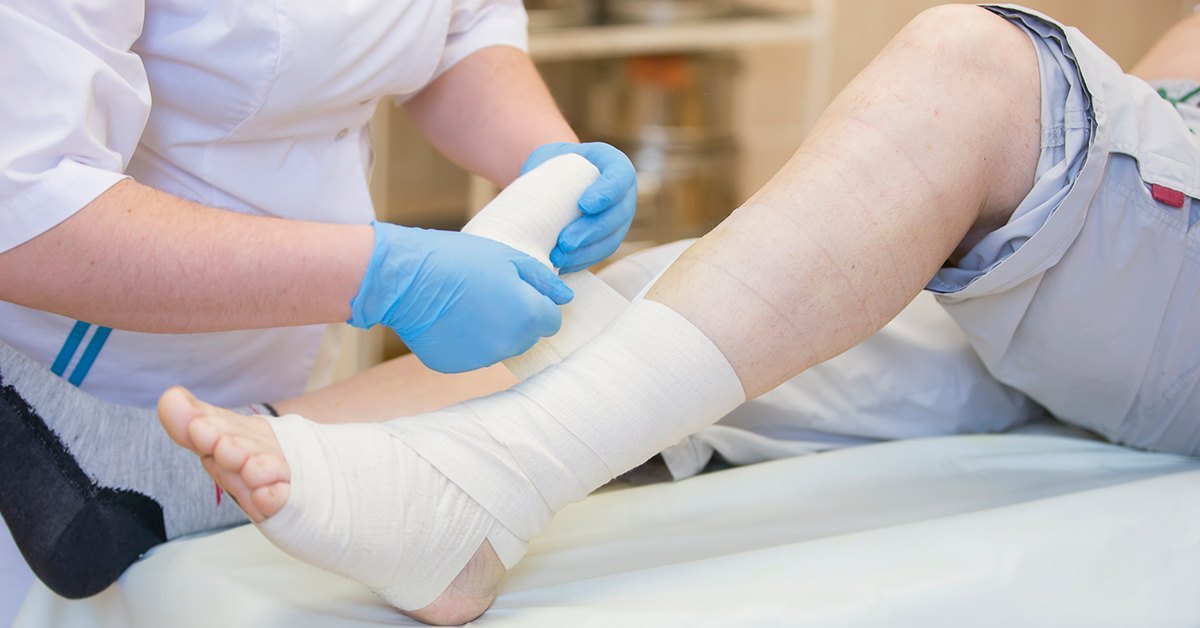
Different wounds may require different types of dressings depending on their size, location, and level of drainage. Selecting an appropriate dressing helps maintain moisture balance, absorb excess fluid, and protect the wound from external contaminants. The dressing should fully cover the wound while remaining comfortable and secure. Proper dressing selection contributes significantly to successful healing and helps reduce the frequency of complications.
Change Dressings at the Appropriate Time:
Changing wound dressings regularly is necessary for maintaining cleanliness and monitoring healing progress. Dressings should generally be replaced according to medical recommendations or whenever they become wet, dirty, loose, or saturated with drainage. During each dressing change, the wound should be inspected carefully for signs of improvement or potential problems. Consistent dressing changes help maintain a protective barrier and prevent bacterial growth that could interfere with recovery.
Keep the Wound Moist but Not Excessively Wet:
Modern wound care practices emphasize the importance of maintaining a slightly moist healing environment. Excessive dryness can slow tissue repair, while excessive moisture can encourage bacterial growth and skin breakdown. The goal is to maintain a balanced environment that supports healthy cell development. Appropriate dressings help regulate moisture levels and create ideal conditions for healing without causing irritation or additional damage to surrounding skin.
Watch for Signs of Infection:
Regular monitoring allows for early identification of complications before they become serious. Warning signs that may indicate infection include:
- Increasing redness around the wound
- Swelling that worsens over time
- Warmth near the injured area
- Yellow or green discharge
- Unpleasant odor
- Persistent pain
- Fever or chills
Recognizing these symptoms early allows individuals to seek medical attention promptly and avoid more severe health concerns.
Protect the Wound From Physical Irritation:
Even a properly dressed wound can be affected by excessive movement, friction, or pressure. Activities that place stress on the injured area may reopen the wound or delay healing. Protecting the wound may involve avoiding strenuous activities, wearing loose clothing, and ensuring dressings remain securely in place. Taking precautions to minimize irritation helps preserve newly formed tissue and supports uninterrupted healing.
Support Healing Through Healthy Lifestyle Choices:
The body’s ability to repair damaged tissue depends heavily on overall health and nutrition. Supporting recovery involves maintaining healthy habits such as:
- Drinking adequate amounts of water
- Eating protein-rich foods
- Consuming fruits and vegetables rich in vitamins
- Getting sufficient sleep
- Avoiding smoking and excessive alcohol consumption
These lifestyle choices provide the nutrients and energy required for efficient wound healing and overall well-being.
Know When Professional Medical Care Is Needed:
While many wounds can be managed effectively at home, certain situations require professional evaluation and treatment. Deep wounds, severe burns, excessive bleeding, persistent infections, or wounds that fail to heal properly should not be ignored. Access to a Doctor at Home service can provide timely assessment and personalized treatment without requiring travel to a healthcare facility. Professional guidance ensures that complications are identified early and managed appropriately to prevent long-term problems.
Final Thoughts:
Keeping a wound clean and protected is one of the most important factors in achieving successful healing and preventing infection. By practicing proper hand hygiene, using sterile supplies, selecting appropriate dressings, and monitoring for signs of complications, individuals can significantly improve recovery outcomes. For those seeking Wound Dressing at Home in Dubai, following these best practices can help maintain a safe healing environment while reducing unnecessary risks. When wounds become complicated or show signs of infection, consulting a Doctor at Home can provide the expert care needed to support a smooth and healthy recovery.