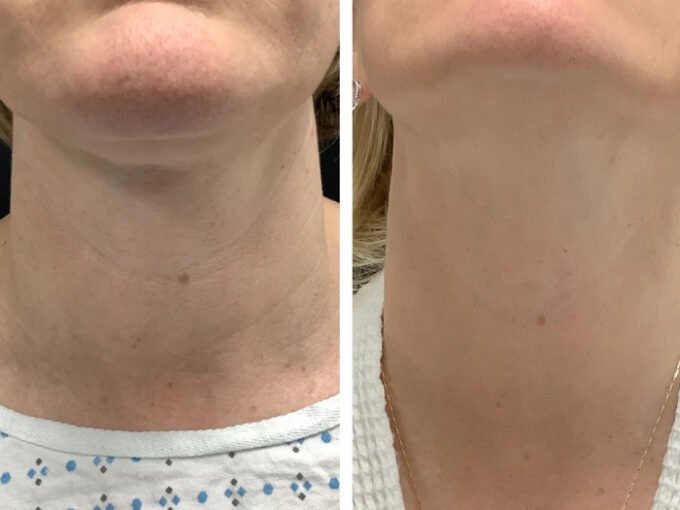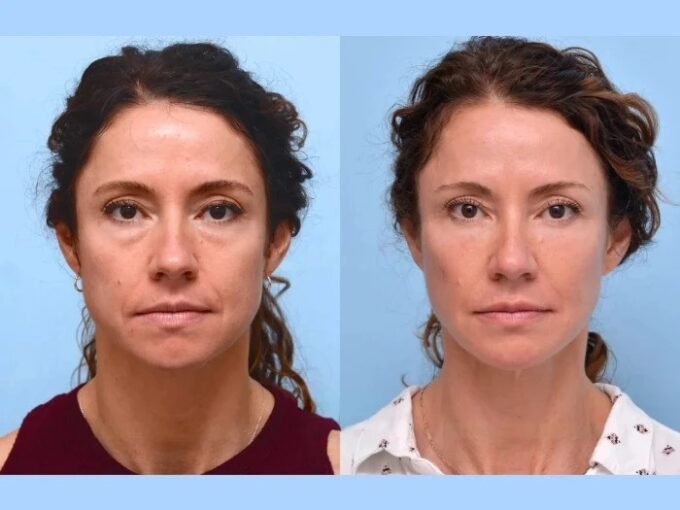
Introduction: Understanding Breast Size, Shape, and Body Balance
Breast size and shape are individual characteristics that contribute to the overall appearance and proportions of the body. However, some people feel that their breast volume is larger than they would prefer or does not complement their natural frame. Boob Reduction is a surgical option designed to decrease breast volume, reshape breast tissue, and create a more balanced appearance. Often referred to as Reduction Mammoplasty, the procedure may be explored by individuals who want a smaller breast profile and improved proportions. Those researching Reduction Mammoplasty Dubai may also encounter related procedures such as Breast lift in dubai and Augmentation mammoplasty dubai. Although these treatments all focus on breast appearance, they have different purposes: breast reduction decreases volume, a breast lift focuses on breast position, and augmentation increases fullness. Understanding these distinctions is an important first step towards choosing an appropriate treatment.
Boob Reduction involves more than simply removing excess breast tissue. It is a carefully planned procedure that considers breast width, projection, skin quality, nipple position, and the relationship between breast size and the rest of the body. The objective is to create a proportionate shape that reflects the individual’s anatomy and preferences. Some people are primarily interested in a smaller breast profile, while others want to improve the way their breasts sit and fit their body frame. A personalised consultation helps establish realistic goals and determine which surgical approach may be suitable.
What Is Boob Reduction Surgery?
Boob Reduction, medically known as reduction mammoplasty, is a surgical procedure intended to reduce breast size by removing selected amounts of breast tissue, fat, and excess skin. The remaining tissue is reshaped to create a smaller and more proportionate breast contour.
Breast size varies naturally. Genetics, body composition, hormonal changes, pregnancy, ageing, and weight fluctuations can all influence breast volume and shape. For some individuals, breast size may become a source of physical discomfort or affect clothing choices, exercise, and everyday activities. Others may simply prefer a smaller appearance that feels more consistent with their body proportions.
The procedure is planned according to individual needs rather than a standard breast size. A surgeon considers the patient’s anatomy, desired reduction, skin elasticity, and existing breast position before recommending a technique.
The Main Objectives of Boob Reduction
The aims of breast reduction may include:
- Decreasing overall breast volume.
- Removing selected amounts of excess breast tissue and skin.
- Improving the relationship between breast size and body frame.
- Reshaping the remaining breast tissue.
- Adjusting nipple and areola position when appropriate.
- Creating a more balanced breast contour.
- Addressing concerns related to the weight and proportions of larger breasts.
The specific objectives differ from one person to another. The surgical plan should reflect the patient’s preferences while taking anatomical considerations into account.
How Reduction Mammoplasty Works
During reduction mammoplasty, the surgeon removes a planned amount of breast tissue and skin. The remaining tissue is repositioned and reshaped to create the intended contour. Depending on the patient’s anatomy and the technique selected, the nipple and areola may also be moved to a more suitable position.
The procedure generally involves several stages:
- Assessment: The surgeon evaluates breast dimensions, skin quality, tissue distribution, and overall body proportions.
- Planning: The desired reduction and appropriate surgical technique are discussed.
- Tissue removal: Selected breast tissue, fat, and excess skin are removed.
- Reshaping: The remaining breast tissue is adjusted to create a balanced contour.
- Nipple positioning: The nipple-areola complex may be repositioned when required.
- Closure: Incisions are closed, and postoperative instructions are provided.
The exact procedure depends on breast size, tissue characteristics, and the amount of reduction being considered.
Why Breast Size and Proportion Matter
Breast proportions can influence how the upper body appears in clothing and how the body silhouette is perceived. Breast size is not meaningful in isolation; it should be considered in relation to shoulder width, chest dimensions, waist shape, and overall body structure.
For individuals who feel that their breasts are disproportionately large, reducing volume may help create a silhouette that feels more balanced. The purpose is not to achieve one universal ideal but to develop proportions that suit the individual’s natural anatomy.
Understanding Breast-to-Body Proportion
A balanced breast shape depends on several measurements and anatomical features. These include breast width, projection, position, and the amount of tissue in different areas.
During a consultation, the surgeon may consider:
- Shoulder width.
- Chest circumference and breast base width.
- Breast projection from the chest wall.
- Upper and lower breast fullness.
- Existing breast position.
- Nipple and areola placement.
- Skin elasticity.
- The patient’s preferred breast size.
These factors help determine how much reduction may be appropriate and how the remaining tissue should be shaped.
The Role of Breast Symmetry
Natural breast asymmetry is common. One breast may be slightly larger, sit lower, or have a different shape from the other. These differences can be related to genetics, development, hormonal changes, or previous changes in body weight.
During Boob Reduction, the surgeon can assess these variations and plan the procedure with the aim of improving overall balance. However, exact symmetry cannot be guaranteed because natural anatomical differences and individual healing patterns influence the final appearance.
Common Reasons for Considering Boob Reduction
People consider breast reduction for different reasons. Some want to address physical concerns associated with larger breasts, while others are interested in changing their body proportions or finding clothing that fits more comfortably.
Breast Weight and Everyday Comfort
Larger breasts can place additional weight on the upper body. Some individuals report discomfort around the shoulders, neck, or upper back, particularly during prolonged standing or physical activity.
Breast reduction may be considered when breast weight contributes to these concerns. A professional assessment can help determine whether the procedure may be suitable and what degree of reduction could be appropriate.
Difficulty Finding Comfortable Clothing
Breast volume can affect how clothing fits across the chest, shoulders, and waist. Some individuals find that garments fit one part of the body but feel too tight or loose in another area.
A smaller breast profile may make it easier to find clothing that fits comfortably. This can be an important personal consideration for people exploring Boob Reduction.
Reduction Mammoplasty Dubai: Understanding the Treatment Journey
People researching Reduction Mammoplasty Dubai often want to understand the consultation process, surgical planning, available techniques, and recovery requirements. Learning about these elements can help individuals approach treatment decisions with greater clarity.
Who May Be Suitable for Boob Reduction?
Suitability for Boob Reduction depends on individual anatomy, general health, medical history, and expectations. A qualified plastic surgeon must assess these factors before recommending surgery.
People With Breast Volume Disproportionate to Their Frame
Individuals who feel that their breasts are significantly larger than their body frame may explore reduction surgery. The surgeon assesses breast dimensions and discusses a suitable reduction target.
Prepare Your Medical History
The surgeon may ask about previous operations, current medications, allergies, medical conditions, and relevant family history.
Patients should provide accurate information and mention any previous breast procedures. This helps the surgeon assess suitability and plan appropriately.
What Happens During the Boob Reduction Procedure?
The surgical process varies according to the selected technique, but the general stages are similar.
Preoperative Planning
Before surgery, the surgeon reviews the treatment plan and confirms the intended changes. Breast measurements and markings may be used to guide the procedure.
The patient receives instructions about preparation, including any guidance related to medication, food, drink, and other preoperative requirements.
Anaesthesia and Surgical Preparation
Breast reduction is commonly performed under general anaesthesia. The medical team prepares the patient and monitors them throughout the operation.
The specific anaesthesia and surgical arrangements are explained before the procedure.
Removal of Excess Breast Tissue
The surgeon makes the planned incisions and removes selected amounts of breast tissue, fat, and skin. The amount removed is based on the agreed surgical plan and the patient’s anatomy.
Reshaping the Remaining Breast
After tissue removal, the remaining breast tissue is repositioned to create the intended shape. The nipple and areola may also be moved to a more suitable position, depending on the technique.
Recovery After Boob Reduction
Recovery following Boob Reduction takes place gradually. The timeline differs according to the surgical technique, amount of tissue removed, individual healing, and the surgeon’s instructions.
The First Few Days
Patients are given instructions about rest, medication, wound care, and support garments. It is important to follow the medical team’s recommendations and avoid activities that place unnecessary pressure on the chest.
The surgeon may arrange an early follow-up appointment to review the initial healing process.
The First Few Weeks
During the early recovery period, patients generally need to limit strenuous activities and heavy lifting. The surgeon provides guidance about walking, daily tasks, and gradually increasing activity.
Support garments may be recommended to provide appropriate support during healing.
Breast Shape During Healing
The breasts may appear different during the early recovery period because swelling and tissue changes can influence their shape. The contour generally develops over time as healing progresses.
Follow-up appointments allow the surgeon to assess the developing result and provide guidance.
Factors That Influence the Final Results
The appearance after breast reduction depends on several factors. Understanding these influences can help patients develop realistic expectations.
Skin Elasticity
Skin elasticity affects how the breast adapts after tissue removal. Individuals with different skin characteristics may experience different degrees of tissue settling.
Natural Asymmetry
Differences between the breasts are common. Although surgical planning can aim to improve balance, some natural asymmetry may remain.
How Breast Size Can Change Over Time
Breast size is not always constant throughout adulthood. Hormonal changes, pregnancy, breastfeeding, ageing, and weight fluctuations may influence breast volume and shape.
Pregnancy and Breastfeeding
Pregnancy can cause changes in breast volume and skin elasticity. After breastfeeding, some individuals notice changes in fullness, shape, or position.
People considering breast reduction should discuss future pregnancy plans with their surgeon because later changes may influence the appearance of the breasts.
Weight Fluctuations
Changes in body weight can influence breast size because breasts contain fatty tissue. Significant weight changes after surgery may affect the proportions achieved through reduction.
Ageing and Skin Changes
Skin elasticity naturally changes over time. These changes may influence breast position and contour, even after a successful reduction procedure.
Breast Reduction and Clothing Proportions
Clothing preferences can be a significant reason for exploring breast reduction. Breast volume influences how tops, dresses, jackets, and other garments fit across the upper body.
Finding a Balanced Clothing Fit
Some individuals find that clothing fits comfortably around the waist but feels restrictive across the chest. Others may need different sizes for the upper and lower body.
Everyday Style and Personal Confidence
Personal style is an individual choice. Some people prefer a fuller silhouette, while others feel more comfortable with a smaller breast profile.
Breast reduction can be considered when the current breast size does not match the appearance a person wants. The decision should be based on personal preference rather than pressure from fashion trends or external expectations.
Understanding Breast Reduction in Relation to Modern Breast Procedures
People researching breast procedures may come across several terms, including Reduction Mammoplasty Dubai, Breast lift in dubai, Augmentation mammoplasty dubai, and Mia Femtech dubai. These terms refer to different approaches and should not be treated as interchangeable.
What Is Mia Femtech?
Mia Femtech is a breast enhancement approach associated with a minimally invasive augmentation concept. It is generally discussed by individuals interested in increasing breast fullness rather than reducing breast volume.
It is therefore important to distinguish it from Boob Reduction. A person seeking smaller breasts would need an assessment focused on reduction options rather than assuming that an enhancement technique can meet the same objective.
Why Understanding Procedure Differences Matters
Search terms can sometimes make different breast procedures appear similar. However, their goals, techniques, and suitability requirements can vary significantly.
Choosing a Qualified Plastic Surgeon
Selecting a qualified plastic surgeon is an important part of the breast reduction journey. Patients should look beyond general promotional descriptions and consider professional qualifications, relevant experience, communication, and the quality of the consultation.
Review Qualifications and Experience
Patients should confirm that the surgeon has appropriate specialist qualifications and experience in breast procedures. They may ask about experience with different breast sizes, surgical techniques, and reduction requirements.
Understand the Proposed Treatment Plan
A suitable consultation should explain the recommended procedure, incision pattern, reduction goals, and expected recovery. Patients should understand why a particular approach is being suggested.
Common Misunderstandings About Boob Reduction
Understanding what breast reduction can and cannot achieve helps patients make informed decisions.
Misunderstanding 1: Breast Reduction Only Changes Size
Although decreasing volume is the main objective, breast reduction also involves reshaping the remaining tissue. The surgeon considers breast contour, position, and proportions as part of the overall plan.
Misunderstanding 2: Every Patient Can Choose the Same Breast Size
The amount of reduction depends on anatomy, tissue characteristics, and the patient’s individual circumstances. A requested size may not be suitable for every body frame.
Misunderstanding 3: Breast Reduction and Breast Lift Are Identical
Both procedures may involve reshaping and nipple repositioning, but their main objectives differ. Reduction decreases volume, whereas a lift focuses on breast position and contour.
Misunderstanding 4: The Final Shape Is Visible Immediately
The early postoperative appearance changes as healing progresses. Swelling and tissue settling can influence breast shape, so the final contour develops gradually.
Misunderstanding 5: Online Photographs Can Predict Individual Results
Photographs may help patients understand different breast shapes, but they cannot predict an individual’s result. Anatomy, skin quality, surgical technique, and healing all influence the outcome.
Maintaining Results After Breast Reduction
The long-term appearance after Boob Reduction can be influenced by natural changes in the body. While surgery changes breast volume and shape, it does not stop the ageing process or prevent future changes in breast tissue.
Making an Informed Decision About Boob Reduction
Choosing breast reduction is a personal decision. It should be based on a clear understanding of the procedure, an appropriate medical assessment, and realistic expectations.
Before proceeding, individuals should consider the following points:
- Identify your goals: Understand whether your main concern is breast volume, shape, position, or overall proportions.
- Research the available procedures: Learn the differences between reduction, breast lift, and augmentation.
- Arrange a professional consultation: Discuss your anatomy, medical history, and desired outcome.
- Understand the recommended technique: Ask why the surgeon recommends a particular approach.
- Review recovery requirements: Consider the time needed for rest, follow-up, and a gradual return to daily activities.
- Discuss realistic outcomes: Understand what may be achievable based on your individual breast structure.
- Take time to decide: Make your choice after receiving the information needed to feel confident about the treatment plan.
Conclusion: Achieving a More Balanced Breast Shape
Boob Reduction is a breast reshaping procedure designed to decrease excess volume and create proportions that better complement the individual’s body frame.
Understanding the differences between reduction surgery, a breast lift, and Boob Augmentation is essential when exploring breast procedures. While Mia Femtech dubai may be relevant to individuals researching modern breast enhancement, Reduction Mammoplasty Dubai focuses on reducing breast volume and refining breast proportions. A personalised consultation can help determine which approach is appropriate for an individual’s goals. Ultimately, Boob Reduction should be planned around realistic expectations, professional assessment, and a clear understanding of the desired breast shape.