Security has become an important consideration for homeowners, business owners, property managers, and contractors. A reliable security system can provide greater awareness of what is happening around a property while helping people respond quickly when something unusual occurs.
Modern security technology has developed far beyond traditional alarms. Today’s systems can include cameras, motion sensors, door and window contacts, smart locks, access control equipment, video doorbells, lighting controls, and remote monitoring features. However, these devices depend on something that is often overlooked: a dependable electrical system.
A security system may contain advanced technology, but it still needs reliable power and properly installed wiring to operate effectively. This is why Security System Installation and electrical infrastructure should be considered together when planning a new security setup or upgrading an existing property.
Why Electrical Infrastructure Matters for Security
Security equipment needs a stable source of electricity. Cameras, network equipment, access control systems, alarms, recording devices, and other components can operate continuously, meaning their power requirements should be considered during installation.
If a property has an outdated or overloaded electrical system, adding multiple security devices may require additional planning.
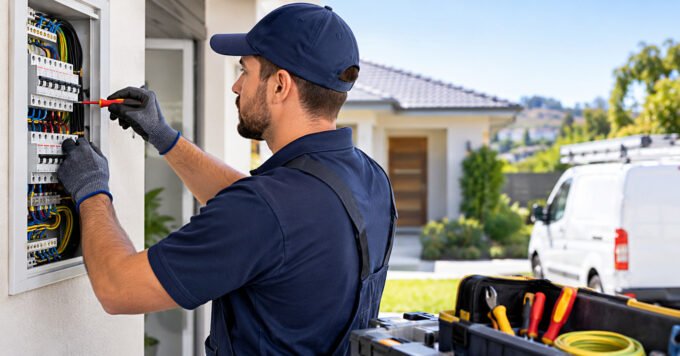
An electrician can evaluate the existing electrical infrastructure and determine whether it is suitable for the planned equipment. This may involve checking circuits, outlets, wiring, grounding, and the main electrical panel.
A properly designed system can help reduce unnecessary interruptions and provide a more reliable foundation for security equipment.
What Does Security System Installation Include?
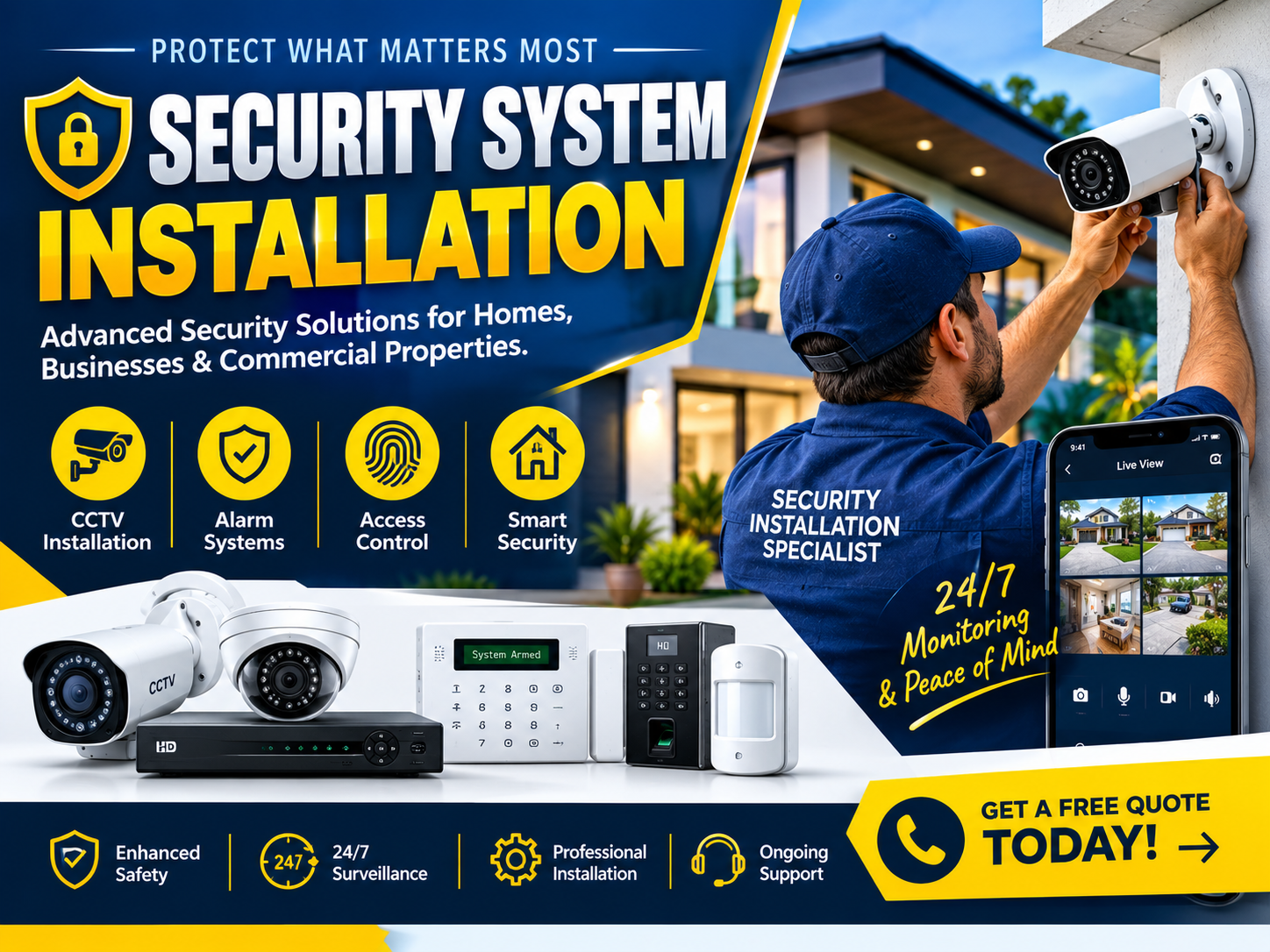
Security System Installation can involve much more than mounting a few cameras on a wall. The exact work depends on the property, security goals, equipment, and layout.
A professional installation may include:
- Security cameras
- Video doorbells
- Motion detectors
- Door and window sensors
- Alarm systems
- Access control
- Smart locks
- Intercom systems
- Security lighting
- Network-connected devices
- Recording equipment
- Monitoring systems
The installation process usually begins with an assessment of the property. Entry points, blind spots, high-traffic areas, valuable equipment, and other security concerns can influence where devices should be positioned.
Choosing the Right Security Equipment
Every property has different security requirements. A small residential property may need a few strategically positioned cameras and door sensors, while a commercial facility may require multiple cameras, access control, alarms, and specialized monitoring.
When choosing equipment, consider:
Property Layout
The physical layout affects camera placement and sensor coverage. Entrances, driveways, parking areas, hallways, loading areas, and other access points may require different types of equipment.
Lighting Conditions
Cameras need suitable lighting to produce useful footage. Areas that become dark at night may benefit from additional lighting or cameras designed for low-light conditions.
Connectivity
Many modern security devices rely on wired networks or wireless connections. The property’s network infrastructure should be considered before installation.
Storage Requirements
If cameras record continuously, the amount of storage required can increase quickly. Consider how long footage needs to be retained and where recordings will be stored.
Future Expansion
A security system should ideally allow room for future additions. Property owners may later want additional cameras, smart locks, sensors, or access-control devices.
The Role of Electrical Panel Installation
The electrical panel is one of the most important components of a property’s electrical system. It distributes electricity from the main supply to individual circuits throughout the building.
When installing new equipment, particularly in a larger property, the electrical panel should have enough capacity to safely support the electrical demand.
Electrical Panel Installation may be necessary when constructing a new property, replacing an outdated panel, expanding electrical capacity, or making significant electrical upgrades.
A qualified electrician can evaluate the existing panel and determine whether it is appropriate for the property’s current and future needs.
When Should an Electrical Panel Be Upgraded?
Not every security upgrade requires a new electrical panel. However, certain situations may justify an electrical evaluation.
Warning signs can include:
- Frequently tripped breakers
- Insufficient electrical capacity
- Outdated electrical equipment
- Plans to add multiple high-demand devices
- Flickering lights
- Warm electrical components
- Frequent circuit overloads
- Major property renovations
- New construction
If a property already has a heavily loaded electrical system, adding equipment without evaluating capacity may not be the best approach.
Benefits of Professional Electrical Panel Installation
A properly installed electrical panel provides the foundation for distributing power throughout a property.
Professional Electrical Panel Installation can help ensure that circuits are appropriately configured and that the electrical system is designed around the property’s requirements.
During an electrical panel project, a qualified electrician may consider:
- Electrical load requirements
- Circuit organization
- Available capacity
- Grounding
- Protective devices
- Applicable electrical requirements
- Future electrical demand
The goal is not simply to install a larger panel. The electrical system should be evaluated as a complete system.
Security for Residential Properties
Home security systems can provide homeowners with greater visibility around their property.
Common residential equipment includes:
- Doorbell cameras
- Outdoor cameras
- Indoor cameras
- Motion sensors
- Window sensors
- Smart locks
- Alarm systems
- Garage security devices
- Security lighting
Camera placement should focus on important areas without unnecessarily invading private spaces.
Homeowners may also want to consider how the system will function if internet connectivity is interrupted or power is lost. Depending on the equipment, backup power or local recording options may provide additional resilience.
Security for Commercial Properties
Businesses often have more complex security requirements than homes.
A commercial security system may cover entrances, employee areas, parking lots, warehouses, offices, inventory areas, and restricted-access locations.
Access control can also help businesses determine who is authorized to enter specific areas.
Commercial security planning should consider:
- Number of employees
- Operating hours
- Building layout
- Customer traffic
- Valuable equipment
- Inventory
- Restricted areas
- Emergency procedures
- Data and network requirements
A professional assessment can help identify which technologies are appropriate for the property.
Combining Security and Electrical Planning During Renovations
Renovation projects provide an excellent opportunity to address security and electrical requirements at the same time.
Walls may already be open, ceilings may be accessible, and electrical contractors may already be working on the property. Planning security wiring during this stage can potentially reduce the need for future invasive work.
For example, a remodeling project may include:
- New electrical circuits
- Panel upgrades
- Security camera wiring
- Network cabling
- Exterior lighting
- Door access equipment
- Smart home infrastructure
Coordinating these systems early can create a cleaner and more organized installation.
Wired vs. Wireless Security Systems
Both wired and wireless security systems have advantages.
Wired systems can provide reliable connections and may be particularly suitable for larger or permanent installations. However, installing cables can require more planning and labor.
Wireless systems can be easier to install in some situations and may offer greater flexibility when devices need to be moved or added later.
The best option depends on the property, equipment, connectivity, construction type, and security objectives.
In some cases, a hybrid system combining wired and wireless devices may provide the most practical solution.
Common Installation Mistakes to Avoid
Poor planning can reduce the effectiveness of security equipment.
One common mistake is installing cameras without considering blind spots. A camera may look well positioned but still leave important areas uncovered.
Another problem is ignoring lighting. Even an advanced camera may produce limited footage if the surrounding area is poorly illuminated.
Property owners should also avoid placing all security equipment on an overloaded electrical circuit.
Other mistakes include:
- Using unsuitable equipment outdoors
- Poor cable management
- Weak network connections
- Forgetting future expansion
- Installing equipment too high or too low
- Ignoring maintenance requirements
- Failing to protect critical equipment from power interruptions
Professional planning can help avoid many of these issues.
Maintaining Your Security and Electrical Systems
Installation is only the beginning. Security equipment should be checked regularly to make sure it continues to perform properly.
Inspect cameras for dirt, damage, or obstructed views. Test alarms and sensors periodically. Check that recordings are functioning and that software or firmware is updated when appropriate.
Electrical systems should also receive attention when problems arise. Do not ignore unusual smells, sounds, overheating, repeated breaker trips, or other warning signs.
If an electrical problem is suspected, have it evaluated by a qualified professional rather than attempting complicated repairs yourself.
How to Choose the Right Professional
When comparing Security System Installation providers, look beyond equipment brands and advertised prices.
Ask potential providers about their experience with properties similar to yours. Find out whether they can handle wiring, networking, camera placement, access control, and coordination with electrical contractors when necessary.
For electrical work, verify that the professional meets the applicable licensing and qualification requirements in your area.
A reliable provider should also explain:
- What equipment is recommended
- Where devices will be installed
- How the system will operate
- What maintenance is required
- Whether monitoring is included
- What warranties apply
- What future upgrades are possible
Clear communication before installation can prevent misunderstandings later.
Final Thoughts
A dependable security system is more than a collection of cameras and sensors. Effective protection begins with understanding the property, identifying important areas, selecting suitable equipment, and ensuring that the supporting electrical and network infrastructure is reliable.
Professional Security System Installation can help homeowners and businesses create organized, practical security solutions tailored to their properties. At the same time, appropriate Electrical Panel Installation can provide the electrical capacity and distribution needed to support modern equipment and future upgrades.
Whether you are securing an existing home, opening a new business, or remodeling a commercial property, planning security and electrical requirements together can make the project more efficient. With professional installation, regular maintenance, and thoughtful planning, your security infrastructure can remain reliable and useful for years to come.
Frequently Asked Questions
1. What is included in Security System Installation?
It can include cameras, alarms, sensors, access control, smart locks, video doorbells, recording equipment, security lighting, and related wiring or network connections. The exact scope depends on the property’s needs.
2. Does installing security cameras require an electrician?
It depends on the type of camera and installation. Some cameras use standard power connections or wireless technology, while others require dedicated wiring or electrical work. A qualified professional can determine the appropriate setup.
3. Why is the electrical panel important for security equipment?
Security equipment requires reliable electrical power. If a property’s electrical system has limited capacity or outdated equipment, an evaluation may be necessary before adding several new devices.
4. When is Electrical Panel Installation necessary?
It may be appropriate for new construction, major renovations, outdated panels, electrical capacity upgrades, or situations where the existing system cannot safely support current requirements.
5. Can security cameras work during a power outage?
It depends on the system. Some security systems can use backup batteries, UPS equipment, or other backup power solutions. The specific capabilities depend on the equipment and installation.
6. Are wired security systems better than wireless systems?
Neither option is universally better. Wired systems can provide dependable connections, while wireless systems can offer flexibility and easier installation in some properties. The best choice depends on the building and security requirements.
7. How many security cameras does a property need?
There is no universal number. Camera requirements depend on the size and layout of the property, important entry points, blind spots, lighting, and the level of coverage desired.
8. Should security equipment be installed during a renovation?
It can be beneficial. Renovations may provide easier access for running cables and installing electrical infrastructure, allowing security requirements to be incorporated into the project from the beginning.
9. How often should security equipment be checked?
Routine checks can help identify damaged cameras, dirty lenses, failed sensors, connectivity issues, or recording problems. The appropriate maintenance schedule depends on the equipment and environment.
10. Can one company handle both security and electrical work?
Some companies offer both services, while others specialize in one area. If your project requires both, ask whether the provider has the appropriate qualifications and experience for each type of work.