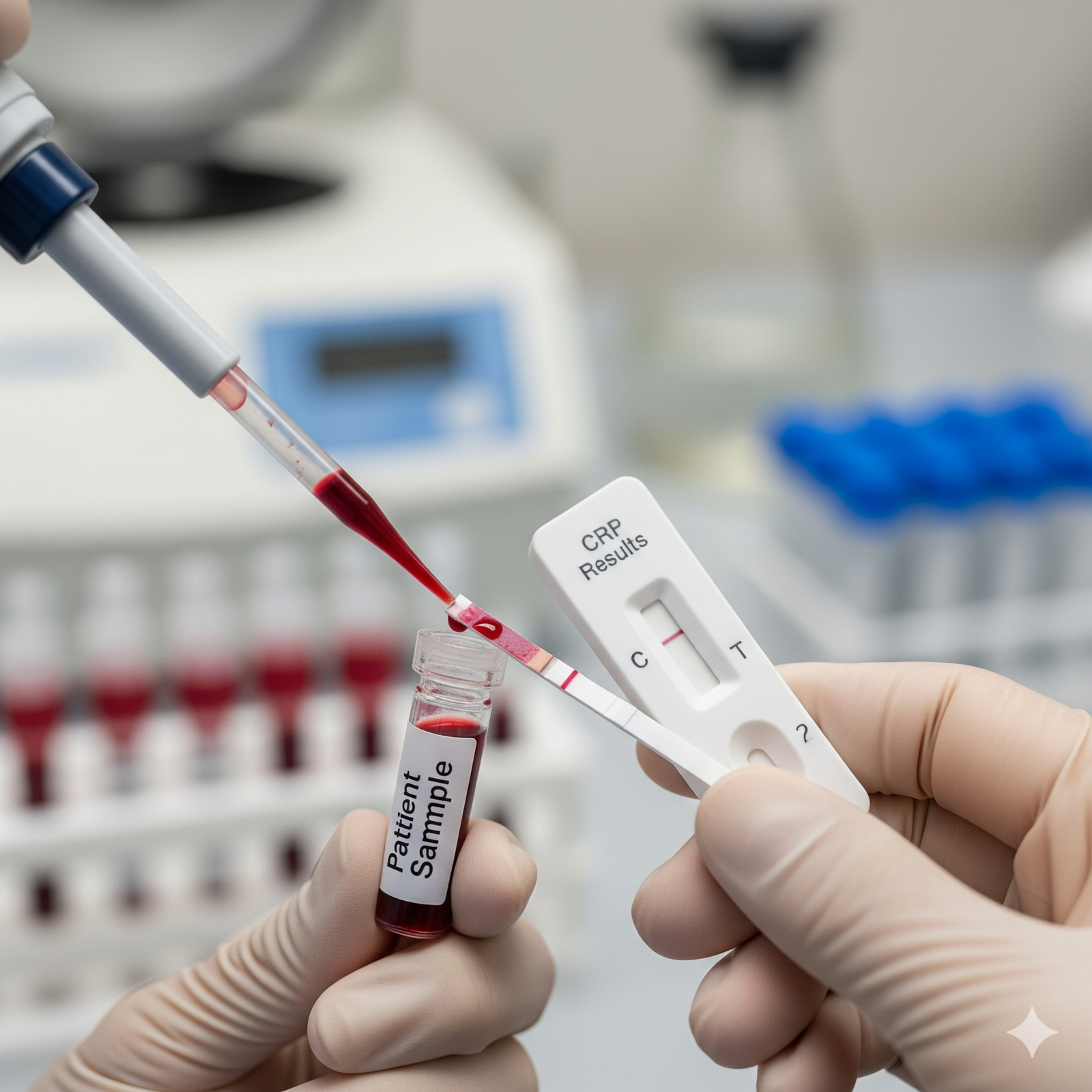
Inflammation is a natural response that helps the body fight infections and recover from injuries. However, when inflammation becomes excessive or persists for a long time, it may indicate an underlying health condition that requires medical attention. A C-Reactive Protein Blood Test in Dubai is a commonly used laboratory investigation that helps healthcare professionals assess inflammation in the body.
Whether a doctor suspects an infection, wants to evaluate an inflammatory condition, or needs to monitor a patient’s response to treatment, the CRP blood test can provide valuable information. Understanding how this test works, what CRP levels mean, and how to interpret the results can help patients make informed decisions about their health.
This guide explains the purpose of the C-reactive protein test, its procedure, normal ranges, possible causes of elevated CRP levels, and what to do after receiving your results.
What Is a C-Reactive Protein Blood Test?
A C-reactive protein blood test measures the concentration of C-reactive protein in the blood. CRP is a protein produced mainly by the liver in response to inflammation. Its levels can increase when the body reacts to infections, tissue injuries, or certain inflammatory diseases.
The immune system triggers the production of CRP as part of the body’s response to injury or illness. When inflammation decreases, CRP levels generally fall as well.
Doctors use this test as an inflammation marker to help assess a person’s health. However, the CRP test does not identify the exact location or cause of inflammation on its own. Healthcare professionals interpret the results alongside symptoms, medical history, physical examinations, and other laboratory tests.
Why Is a CRP Blood Test Recommended?
A doctor may recommend a C-reactive protein test when symptoms or medical findings suggest inflammation or infection. It can also help monitor certain conditions over time.
Common reasons for ordering a CRP blood test include:
-
Suspected infections: CRP levels may rise during bacterial or viral infections, although the test cannot reliably identify the specific microorganism.
-
Inflammatory diseases: Conditions such as rheumatoid arthritis and inflammatory bowel disease may cause elevated CRP levels.
-
Monitoring treatment: Changes in CRP levels can help doctors evaluate whether inflammation is improving or worsening.
-
Assessment of unexplained symptoms: Persistent fever, fatigue, or other symptoms may lead a doctor to investigate possible inflammation.
-
Evaluation of certain complications: CRP testing may contribute to the assessment of inflammatory complications following surgery or an injury.
A CRP test is not a routine screening test for every health condition. Its usefulness depends on the patient’s symptoms, medical history, and the clinical question being investigated.
How Does the C-Reactive Protein Test Work?
The CRP blood test is a straightforward laboratory procedure. A healthcare professional collects a small blood sample, usually from a vein in the arm, and sends it to a laboratory for analysis.
The laboratory measures the amount of C-reactive protein in the sample and reports the result, commonly in milligrams per liter (mg/L).
CRP is considered an acute-phase protein because its concentration can increase relatively quickly after an inflammatory response begins. Levels may rise within several hours of an inflammatory trigger and can change as the underlying condition develops or improves.
Because CRP responds to many different causes of inflammation, the result must be interpreted in context rather than used as a standalone diagnosis.
What Is the Normal Range for a C-Reactive Protein Blood Test?
The normal CRP range depends on the laboratory method, reporting standards, and clinical context. Many laboratories use a reference limit around 5 mg/L, although some use different cutoffs.
The following table provides a general guide to interpreting standard CRP results.
| CRP result | General interpretation |
|---|---|
| Below approximately 5 mg/L | Often considered within the reference range |
| Approximately 5–10 mg/L | May represent a mild elevation, depending on the laboratory |
| Above 10 mg/L | Often indicates an elevated inflammatory marker |
| Markedly elevated levels | May occur with significant infection, inflammation, or tissue injury |
These values are illustrative rather than universal diagnostic thresholds. A result within the laboratory’s reference range does not exclude every inflammatory condition, and an elevated result does not automatically mean that a serious disease is present.
Doctors consider the degree of elevation, changes over time, symptoms, and other test findings before deciding whether further investigation is necessary.
What Does a High CRP Level Mean?
An elevated C-reactive protein level indicates that inflammation may be occurring somewhere in the body. However, the result cannot determine the precise cause by itself.
Several conditions and circumstances can increase CRP levels.
Infections
Bacterial infections can cause substantial increases in CRP, while viral infections may also produce elevations. The degree of change varies depending on the infection, its severity, and the person’s immune response.
Autoimmune and Inflammatory Diseases
Conditions such as rheumatoid arthritis, lupus, and inflammatory bowel disease can cause elevated CRP levels. The result may help doctors assess inflammatory activity, although CRP does not rise equally in every condition.
Tissue Injury and Surgery
Physical injuries, burns, and surgical procedures can trigger an inflammatory response. CRP may temporarily increase as the body repairs damaged tissue.
Chronic Health Conditions
Obesity, smoking, and some chronic inflammatory or metabolic conditions may be associated with higher baseline CRP levels. A persistently elevated result should be assessed alongside other health factors.
Other Possible Causes
Certain cancers and other serious illnesses can also be associated with elevated CRP. However, a high CRP result alone cannot confirm cancer or distinguish it from more common causes of inflammation.
If your CRP level is elevated, your doctor may recommend additional investigations based on your symptoms and medical history.
What Does a Low or Normal CRP Level Mean?
A low or normal C-Reactive Protein Blood Test result generally suggests that there is no substantial systemic inflammatory response at the time of testing. It can be reassuring when considered alongside improving symptoms and other normal findings.
However, a normal result does not rule out every infection or inflammatory disease. Some conditions produce only small increases in CRP, and levels may remain low during the early stages of an illness.
If symptoms persist despite a normal CRP result, medical assessment remains important. Your doctor may consider additional blood tests, imaging, or other investigations to identify the underlying cause.
Standard CRP Test vs. High-Sensitivity CRP Test:
Although both tests measure C-reactive protein, standard CRP and high-sensitivity CRP (hs-CRP) tests serve different purposes.
The standard CRP test is primarily used to evaluate inflammation associated with infections, inflammatory diseases, and tissue injury. The hs-CRP test can detect much smaller concentrations of CRP and is sometimes used to help assess cardiovascular risk in appropriate patients.
| Feature | Standard CRP test | High-sensitivity CRP test |
|---|---|---|
| Main purpose | Assess inflammation | Measure low-level inflammation |
| Common clinical use | Infection and inflammatory conditions | Additional cardiovascular risk assessment |
| Measurement | Standard CRP concentrations | More sensitive measurement at lower concentrations |
An hs-CRP result should not be interpreted in the same way as a standard CRP result during an acute illness. Inflammation from an infection or another temporary condition can affect cardiovascular risk assessment.
Neither test independently confirms a specific diagnosis, and the appropriate test depends on the reason for testing.
How to Prepare for a C-Reactive Protein Blood Test?
Most standard CRP blood tests do not require fasting. You can generally eat and drink normally unless your healthcare professional has instructed you to fast because other tests are being performed at the same time.
Before your appointment, consider the following steps:
-
Inform your healthcare professional about any medicines or supplements you take.
-
Follow instructions provided by the laboratory or your doctor.
-
Mention any recent infection, injury, surgery, or inflammatory symptoms.
-
Do not stop prescribed medication without medical advice.
Certain medicines and health factors can influence CRP levels. Providing accurate information helps your doctor interpret the results more effectively.
What Happens After the Test?
Once the laboratory has analyzed your blood sample, your result will be compared with the laboratory’s reference range and interpreted in light of your medical history.
If the CRP level is elevated, your doctor may review your symptoms and order additional investigations, such as a complete blood count, erythrocyte sedimentation rate (ESR), cultures, or other tests when appropriate.
If you are being treated for an inflammatory condition, repeat CRP testing may help assess whether treatment is working. A falling level can suggest that inflammation is decreasing, although improvement in the laboratory result does not always mean that the underlying condition has completely resolved.
Seek prompt medical attention if you have symptoms such as severe difficulty breathing, confusion, fainting, or rapidly worsening illness, regardless of your CRP result.
Frequently Asked Questions About the C-Reactive Protein Blood Test:
Is the C-reactive protein blood test painful?
The test involves a routine blood draw. You may experience a brief pinch or mild discomfort when the needle enters the vein, followed by occasional minor bruising.
Can a CRP blood test detect cancer?
No. CRP is a nonspecific inflammation marker. Although some cancers can be associated with elevated CRP, the test cannot diagnose cancer or determine whether cancer is present.
How quickly do CRP levels change?
CRP levels can begin rising within hours of an inflammatory trigger and may change significantly over the following day or two. The pattern depends on the underlying condition and whether the inflammation is resolving.
Does a high CRP level always mean an infection?
No. Infections are one possible cause, but autoimmune diseases, injuries, surgery, and other inflammatory conditions can also increase CRP levels.
Can lifestyle changes reduce CRP levels?
Healthy habits, including regular physical activity, a balanced diet, smoking cessation, and maintaining a healthy weight, may help reduce chronic low-grade inflammation. However, an elevated CRP level should first be evaluated to identify any underlying medical cause.
Conclusion:
The C-Reactive Protein Blood Lab tests is a useful tool for identifying and monitoring inflammation in the body. It can support the assessment of infections, autoimmune diseases, tissue injuries, and other inflammatory conditions, while repeat testing may help doctors evaluate changes over time.
Understanding CRP levels, the difference between standard CRP and hs-CRP testing, and the limitations of the test can help you interpret your laboratory report more confidently. Remember that CRP is a nonspecific marker, so neither a high nor a normal result provides a complete diagnosis on its own.
For the most accurate interpretation, discuss your results with a qualified healthcare professional who can consider your symptoms, medical history, and other test findings before recommending any further investigation or treatment.