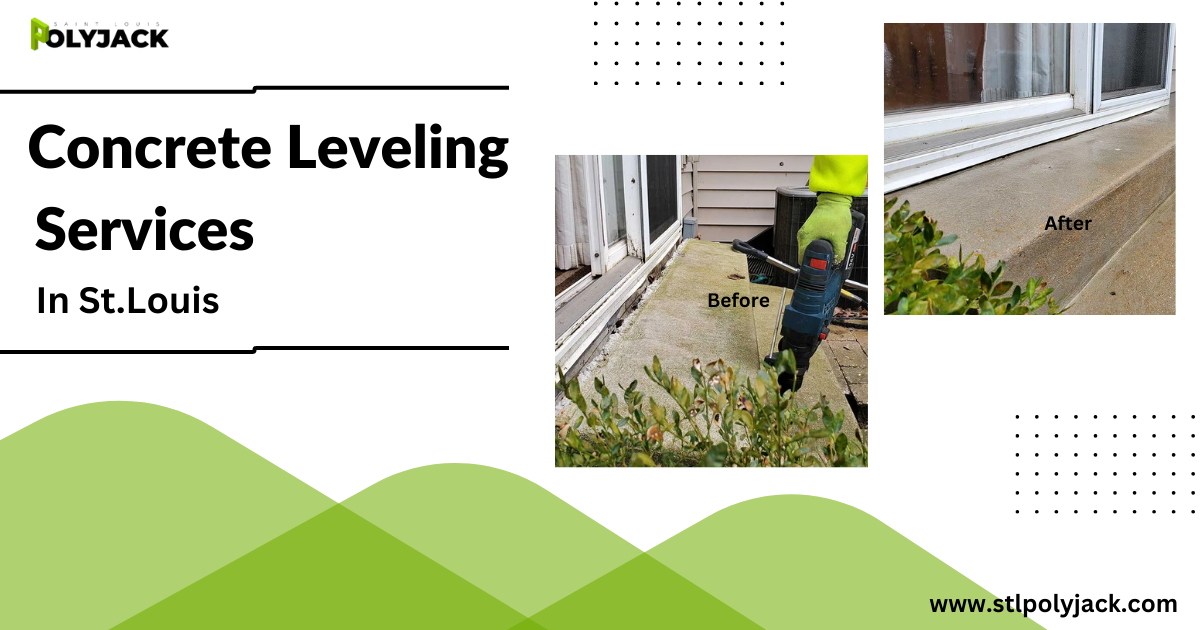
An uneven garage floor can affect more than the appearance of your garage. You may notice water collecting in one corner, cracks forming near the walls, or a noticeable slope where your vehicle is parked. These changes can make the space harder to use and may indicate that the concrete has lost support beneath part of the slab.
The good news is that some uneven garage floors can be repaired without removing the entire concrete surface. Whether leveling is appropriate depends on the condition of the slab, the extent of the settlement, and the reason the floor became uneven.
What Causes Garage Floors to Become Uneven?
Poor soil compaction: If the ground beneath the garage floor was not adequately compacted during construction, the soil may settle over time and leave sections of concrete unsupported.
Water infiltration: Water entering through the edges of the garage or from leaking pipes can weaken or wash away the supporting soil. This may cause sections of the floor to sink.
Changes in soil moisture: Certain soils expand when wet and shrink when dry. Repeated changes can affect the support beneath a concrete slab.
Existing cracks and voids: Cracks may develop as concrete moves, while gaps beneath the slab can allow further settlement. However, not every crack indicates that leveling is necessary.
For homeowners considering Garage floor repair in St. Louis, a professional inspection can help determine whether the problem involves a liftable slab, surface damage, drainage, or a more significant structural concern.
When Can Concrete Leveling Work?
Concrete leveling may be suitable when the garage floor is generally intact but has settled unevenly. Polyurethane foam lifting is one method used to raise suitable slabs by injecting expanding foam beneath the concrete.
The foam fills accessible voids and helps support the slab as it is lifted toward the desired elevation. This can be useful when the floor has settled but does not require complete replacement.
However, leveling is not a universal solution. Severely deteriorated concrete, extensive structural damage, or ongoing water problems may require additional repairs. The contractor should also consider the garage floor’s intended slope, since some floors are designed to direct water toward the garage door.
What Should You Check Before Scheduling Repairs?
Start by identifying where the floor is uneven and whether the problem is getting worse. Look for water stains, widening cracks, gaps along the edges, and areas where rainwater or cleaning water remains after use.
When comparing a concrete leveling company St. Louis, ask whether the contractor has experience with garage slabs, how the proposed method works, and whether drainage or soil problems need to be corrected before lifting.
It is also useful to ask how the contractor determines the final elevation and whether the repair will preserve the garage’s intended drainage pattern.
Is Leveling Better Than Replacing the Floor?
If the concrete remains structurally sound, leveling may offer an alternative to demolition and replacement. It can reduce the amount of concrete that needs to be removed and may limit disruption to the garage.
The right choice depends on the slab’s condition and the underlying cause of settlement. A proper assessment helps establish whether lifting, surface repairs, drainage corrections, or replacement will provide the most suitable result.