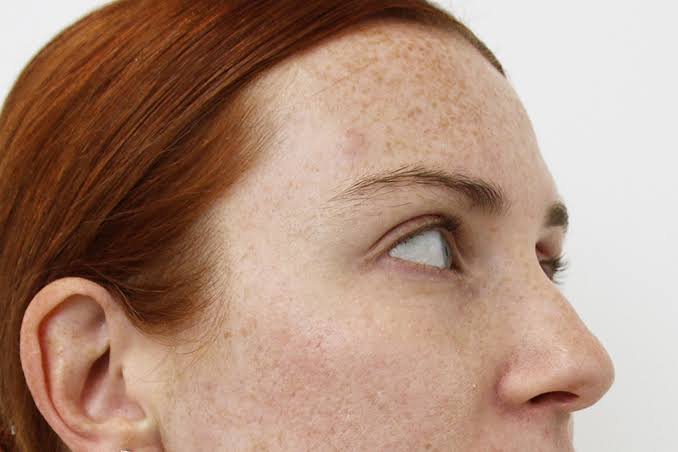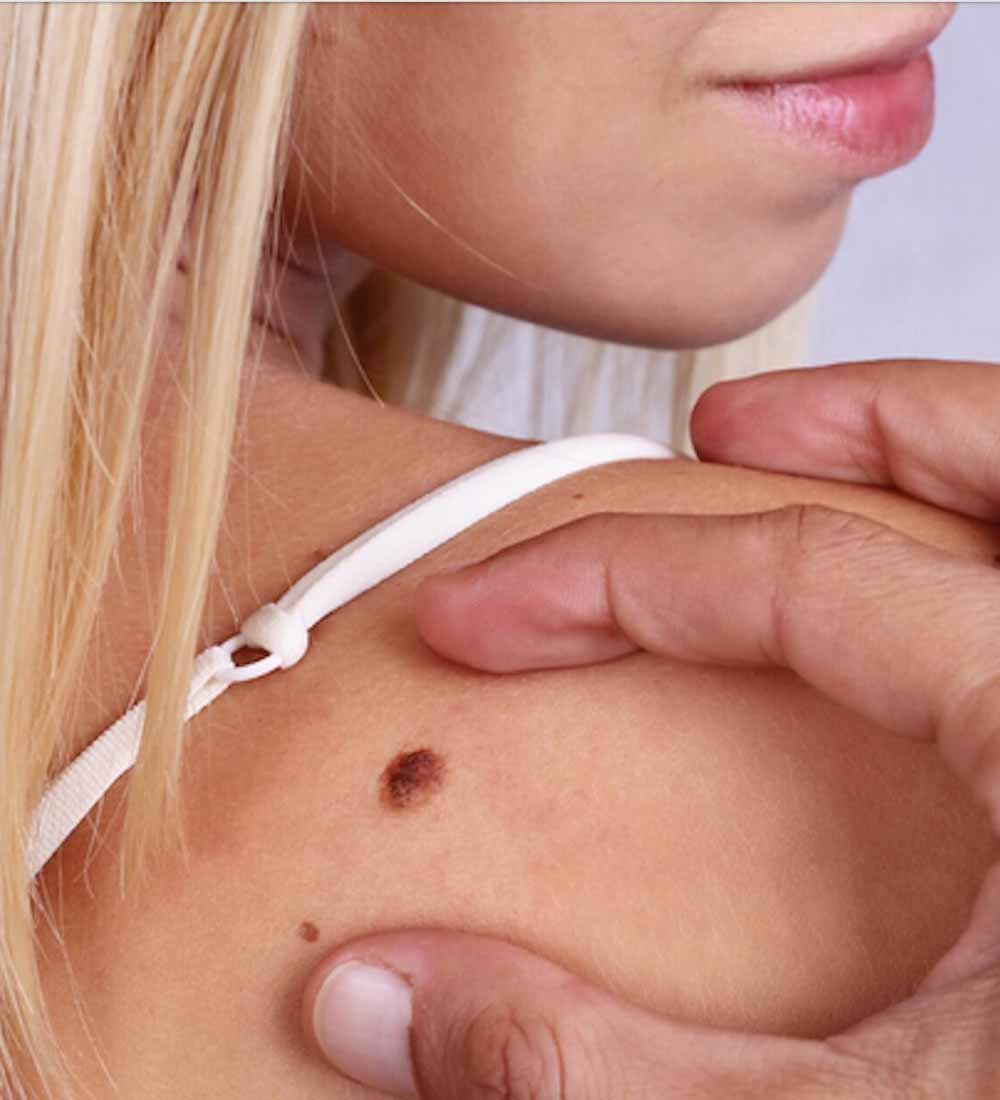
Large moles can sometimes be removed when they cause cosmetic concerns, repeated irritation, or other practical problems. Mole Removal In Dubai may be considered for larger lesions, but the appropriate technique depends on the mole’s size, depth, location, appearance, and whether it has any unusual characteristics. A professional assessment is important before deciding how a large mole should be treated.
Can Large Moles Be Removed?
Yes, some large moles can be removed, but larger lesions often require more careful planning than small, superficial moles.
The size of a mole is only one consideration. Its depth, shape, location, attachment to the surrounding tissue, and overall appearance can influence which removal method is appropriate.
A professional should examine the mole before treatment rather than selecting a technique based on size alone.
Why Can Large Moles Be More Difficult to Remove?
A large mole may extend deeper into the skin than a small superficial lesion. Removing a deeper mole may therefore involve a larger treatment area and a different healing process.
The location can also affect the procedure. A large mole on the face, neck, back, or another area that experiences frequent movement or friction may require specific treatment planning.
The goal is not simply to remove the visible part of the mole but to choose an approach that is appropriate for the individual lesion.
Which Methods Can Be Used for Large Moles?
The removal method depends on the characteristics of the mole. Possible approaches may include shave removal or surgical excision, while laser treatment may be considered for selected lesions.
Shave Removal
Shave removal involves removing a raised lesion from the surface of the skin using a suitable medical technique.
It may be considered for some raised moles that do not require deeper removal. However, it is not appropriate for every large or deeply positioned mole.
The professional will determine whether the lesion can be safely managed with this approach.
Surgical Excision
Surgical excision may be considered when a mole is larger, deeper, or requires complete removal from deeper skin layers.
During excision, the lesion is removed along with an appropriate amount of surrounding tissue when clinically indicated. The wound may then be closed using stitches.
Because excision involves cutting into the skin, it can result in a scar. The final appearance depends on factors such as the size and location of the lesion, the closure technique, and individual healing.
Laser Treatment
Laser treatment is sometimes used for selected pigmented or superficial lesions, but it should not be assumed to be suitable for every large mole.
Large, deep, or clinically suspicious moles may require another approach. If tissue needs to be examined, a method that allows appropriate specimen analysis may be preferred.
Can a Large Mole Be Removed in One Session?
It depends on the mole and the chosen technique.
Some lesions may be treated during a single procedure, while others may require a more carefully planned approach. The size and depth of the mole can affect the treatment process and healing period.
For larger lesions, the professional may explain the expected procedure and recovery before treatment begins.
It is better to plan treatment around the characteristics of the mole than to assume that every large mole can be removed in exactly one session.
Does Removing a Large Mole Leave a Scar?
A scar is possible, particularly when a large or deep mole requires surgical excision.
The larger the treatment area, the more important it becomes to consider how the skin will close and heal. The location of the mole also matters because areas that experience stretching or movement may heal differently.
Other factors include individual healing characteristics and a personal tendency to develop raised scars.
No removal technique can guarantee that a large mole will be removed without leaving any visible mark.
Can Large Facial Moles Be Removed?
Large facial moles may sometimes be removed, but facial skin requires careful treatment planning because even a small change in the skin can be noticeable.
The professional may consider the mole’s size, depth, location, and relationship to nearby facial structures when selecting an approach.
If surgical excision is required, the expected scar and its position should also be discussed before treatment.
Can Large Moles Be Removed From Different Skin Types?
People with different skin tones can potentially undergo mole removal. However, skin characteristics may affect healing and the appearance of the treated area.
Darker skin can have a greater tendency toward post-inflammatory hyperpigmentation after some procedures. This does not automatically make mole removal unsuitable, but pigmentation risks should be considered during treatment planning.
People with sensitive skin or a history of unusual scarring should also discuss these factors during consultation.
What If the Large Mole Is Dark?
A dark mole is not automatically unsuitable for removal. However, pigmentation is an important part of the assessment.
A mole that has changed in color, developed multiple shades, increased in size, developed irregular borders, bled, crusted, or become persistently itchy should be medically evaluated before cosmetic removal.
Dark color by itself does not establish whether a mole is harmless or concerning.
What If the Large Mole Has Changed?
A changing mole should not simply be treated as a cosmetic lesion without appropriate assessment.
Changes in size, shape, color, surface, or sensation may require medical evaluation. Bleeding, crusting, persistent itching, or other unusual symptoms can also be reasons to seek professional assessment.
If there is a concern that the lesion could require tissue examination, the removal approach should take that possibility into account.
Can Large Congenital Moles Be Removed?
Some moles that have been present since birth can be removed, but the approach depends on their size, depth, location, and other characteristics.
Large congenital lesions may require more complex planning than small acquired moles. In some situations, surgical treatment may be considered rather than a superficial procedure.
A professional assessment is important before deciding whether removal is appropriate.
What Should You Expect After Large Mole Removal?
Recovery depends largely on the method used.
After surgical removal, the area may have stitches and require specific wound care. Swelling, redness, tenderness, or bruising can occur during the early healing period.
If a superficial technique is used, the treated area may form a crust as the skin heals. Picking or scratching the area can interfere with healing and increase the risk of irritation or scarring.
Following the recommended aftercare instructions can help support normal recovery.
How Long Does a Large Mole Take to Heal?
Healing time varies according to the treatment method, size and depth of the mole, location, and individual healing response.
The surface of the skin may recover before the deeper tissues have completely healed. A scar can also continue changing in appearance for months as it matures.
For larger surgical wounds, the professional can provide more specific guidance based on the procedure performed.
Can a Large Mole Grow Back After Removal?
Recurrence can happen in some cases, particularly if mole cells remain after a superficial removal technique.
A recurring lesion should be evaluated rather than automatically treated again. The professional may assess whether further treatment is appropriate and whether the lesion requires additional examination.
The possibility of recurrence depends on the type of mole and the removal technique used.
Is Every Large Mole Suitable for Cosmetic Removal?
No. Size alone does not determine whether a mole should be removed cosmetically.
A professional may recommend medical evaluation first if the mole appears unusual or has changed. The priority is to establish an appropriate diagnosis and removal plan before focusing only on cosmetic improvement.
This is particularly important for large, irregular, changing, bleeding, or otherwise unusual lesions.
How Is the Right Treatment Chosen?
A consultation usually involves examining the mole and considering several factors.
These may include:
- Size and depth
- Shape and surface
- Color and pigmentation
- Location
- Whether the mole has changed
- Skin tone and sensitivity
- Previous scarring or healing problems
- Whether tissue examination may be required
- The expected cosmetic outcome
Based on these factors, the professional can discuss whether shave removal, surgical excision, laser treatment, or another approach is appropriate.
Conclusion
Large moles can sometimes be removed, but they often require more careful assessment than small superficial moles. The most suitable method depends on the mole’s size, depth, location, appearance, skin characteristics, and medical history.
Surgical excision may be considered for larger or deeper lesions, while other techniques may be suitable for selected superficial moles. Laser treatment is not appropriate for every mole, particularly when tissue examination may be necessary.
Anyone considering removal of a large mole should have it professionally assessed first, especially if it has changed in size, shape, color, or texture. This helps ensure that the removal approach is based on the characteristics of the lesion rather than its size alone.
FAQs
Can large moles be removed?
Yes, some large moles can be removed. The appropriate technique depends on the mole’s size, depth, location, appearance, and clinical assessment.
Is surgery better for large moles?
Surgical excision may be considered for some large or deep moles, but the appropriate method depends on the individual lesion.
Can laser remove a large mole?
Laser treatment may be suitable for selected lesions, but it is not appropriate for every large mole. A professional should assess the mole first.
Will removing a large mole leave a scar?
A scar is possible, especially when surgical excision is required. Scar appearance depends on the lesion, treatment method, location, and individual healing.
Can large facial moles be removed?
Some large facial moles can be removed, but facial location requires careful planning to balance removal with the expected cosmetic result.
Should a large changing mole be removed cosmetically?
A large mole that is changing should first be medically assessed. Cosmetic removal should not replace appropriate evaluation of a potentially suspicious lesion.