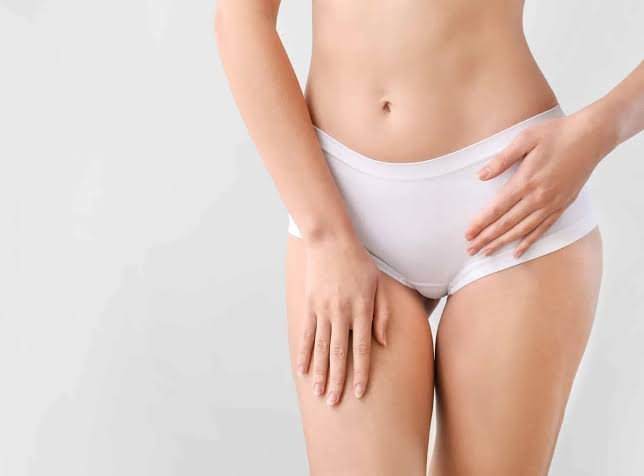
Loose skin around the pubic area can develop after significant weight loss, pregnancy, ageing, or changes in skin elasticity. When excess tissue hangs over the pubic region, it may affect the appearance of the lower abdomen and cause discomfort with certain clothing. For suitable candidates, Pubic Lift Surgery in Dubai may help address this concern by removing excess skin and repositioning the remaining tissue. The procedure is planned according to the patient’s anatomy, skin condition, and desired outcome. Understanding how it works, what results may be possible, and what recovery involves can help patients make an informed decision.
Understanding Loose Skin in the Pubic Area
The mons pubis is the soft tissue-covered area above the pubic bone. Its appearance varies naturally, but the skin and underlying tissue may become more prominent or begin to sag after changes in body weight, pregnancy, or ageing. When skin loses elasticity, it may not retract fully after weight loss, leaving a fold that hangs over the surrounding area. In some people, excess fat contributes to fullness as well. Identifying whether the main concern is loose skin, fat, or a combination of both is important because the most appropriate treatment depends on the underlying cause.
How Pubic Lift Surgery Removes Excess Skin
Pubic lift surgery is designed to improve the contour of the mons pubis by removing selected excess skin and lifting or tightening the remaining tissue. During the procedure, the surgeon plans the incision based on the amount of loose skin and the patient’s anatomy. After the required tissue is removed, the remaining skin is repositioned and the incision is closed with sutures. The technique varies according to individual needs, and not every patient requires the same degree of correction. A consultation allows the surgeon to explain the proposed approach, likely scar location, and realistic expectations for the final contour.
What Causes Excess Skin Around the Pubic Area?
Several factors can contribute to loose skin around the pubic region. Significant weight loss may leave stretched skin that does not shrink sufficiently, while pregnancy can change the contours of the lower abdomen and nearby tissues. Natural ageing gradually affects skin elasticity, and genetics can influence how skin and fat are distributed. Some people also have a naturally fuller mons pubis. Excess fat and loose skin are different concerns, although they can occur together. A medical assessment helps determine which factors are contributing to the appearance and whether surgery or another treatment approach is more suitable.
Can Pubic Lift Surgery Help After Significant Weight Loss?
People who have lost a substantial amount of weight may notice loose skin in several areas, including the lower abdomen and mons pubis. When this skin remains prominent despite weight stabilisation, a pubic lift may be considered to remove excess tissue and improve the contour. The surgeon assesses skin quality, the extent of sagging, overall health, and whether weight has remained stable. Stable weight is generally helpful when planning body-contouring surgery because further major changes can affect the result. Patients with excess skin in several areas may also be assessed for other procedures, depending on their needs and medical suitability.
Can Pubic Lift Surgery Address Skin Changes After Pregnancy?
Pregnancy can affect the lower abdominal and pubic contours through tissue stretching and changes in body weight. Some people find that loose skin remains around the mons pubis after childbirth, even after their weight has stabilised. Pubic lift surgery may help when excess skin is the main concern and the patient is otherwise suitable for surgery. Timing matters because the body needs time to recover after pregnancy, and future pregnancies or weight changes may affect the results. A surgeon can discuss appropriate timing, individual risks, and whether the procedure should be considered alone or as part of a broader body-contouring plan.
Who Is a Suitable Candidate for Excess Skin Removal?
Suitable candidates are generally adults who are concerned about loose or sagging skin in the pubic area, are in appropriate health for surgery, and understand the limitations of treatment. The surgeon will review medical history, medications, previous procedures, smoking habits, and any conditions that may affect wound healing. Candidates should have realistic expectations and be prepared to follow postoperative instructions. People with active infections or certain uncontrolled medical conditions may need further evaluation before surgery. An individual examination is necessary to confirm whether the excess skin can be safely removed and whether the proposed procedure is likely to address the concern.
What Happens During the Pubic Lift Procedure?
The procedure begins with a consultation and surgical planning to determine the amount of excess skin and the most appropriate incision placement. On the day of surgery, the team follows the agreed anaesthesia plan, which depends on the extent of the procedure and the patient’s circumstances. The surgeon removes the planned excess skin, repositions the remaining tissue, and closes the incision. Dressings may be applied, and patients receive instructions for wound care and recovery. The precise steps vary between individuals, so the surgeon should explain the technique, possible complications, expected scarring, and aftercare requirements before the procedure.
What Results Can You Expect After Excess Skin Removal?
Pubic lift surgery may create a smoother contour by reducing the amount of loose skin and improving the position of the remaining tissue. Some changes may be visible after the initial swelling begins to settle, but the final appearance takes time to develop. Bruising, swelling, and temporary firmness can affect the treated area during early recovery. Results vary according to the extent of skin removal, tissue characteristics, and individual healing. Surgery cannot guarantee a perfectly flat or symmetrical appearance, and scars are an expected part of the procedure. The surgeon can explain the likely outcome based on your anatomy and treatment goals.
Recovery After Pubic Lift Surgery
Recovery may involve swelling, bruising, tenderness, and temporary restrictions on everyday activities. Patients should follow the surgeon’s instructions for washing the area, keeping the incision clean, changing dressings, and taking any prescribed medication. Activities that place tension on the incision, including strenuous exercise, may need to be limited until the surgeon confirms they are safe to resume. Follow-up appointments help the medical team monitor healing and answer questions. Increasing pain, fever, spreading redness, unusual discharge, or significant bleeding should be reported promptly. Individual recovery times vary, so patients should follow their own surgical team’s advice rather than a general timetable.
Potential Risks and Important Considerations
Although pubic lift surgery may help remove excess skin, it carries risks associated with surgery. These can include bleeding, infection, fluid accumulation, delayed wound healing, changes in sensation, visible scars, asymmetry, and dissatisfaction with the cosmetic result. The procedure may not address fullness caused mainly by fat, and additional treatment may be needed if concerns extend into the lower abdomen. Significant weight fluctuations after surgery can also change the contour. A qualified surgeon should discuss the risks, possible alternatives, and expected limitations before treatment so the patient can weigh the potential benefits against the recovery demands and surgical risks.
Conclusion
Pubic lift surgery may help remove loose, excess skin around the mons pubis and improve the contour of the pubic area. It can be considered when skin laxity after weight loss, pregnancy, or ageing is the main concern. The amount of improvement depends on individual anatomy, skin quality, the surgical technique, and healing. Because the procedure involves incisions, scarring, and a recovery period, a professional assessment is essential before deciding on treatment. A consultation with a qualified surgeon can help determine whether pubic lift surgery is suitable and explain what results may realistically be achieved.
Frequently Asked Questions
1. Can pubic lift surgery remove loose skin completely?
The procedure can remove selected excess skin, but the amount that can be safely removed depends on the patient’s anatomy and surgical plan. The surgeon will explain the expected degree of correction and the limitations.
2. Is pubic lift surgery suitable after major weight loss?
It may be suitable for people with persistent loose skin after significant weight loss, particularly when their weight is stable and they are healthy enough for surgery. An individual assessment is necessary.
3. Can pubic lift surgery remove excess fat as well as skin?
A pubic lift primarily addresses excess skin and tissue position. If fat-related fullness is also present, the surgeon may discuss whether another approach is appropriate after examining the area.
4. Will pubic lift surgery leave scars?
Yes, incisions create scars. The surgeon plans their placement carefully, but scar appearance varies depending on the technique, skin characteristics, and individual healing.
5. Can loose pubic skin improve without surgery?
The appearance may change with weight stabilisation and natural healing, but significantly stretched skin may not retract fully. A qualified clinician can discuss whether non-surgical options are likely to help with the specific concern.
6. How long does it take to recover from pubic lift surgery?
Recovery varies according to the extent of surgery and individual healing. Swelling and tenderness may persist for a period, and patients should follow their surgeon’s guidance on returning to normal activities.
7. Can pubic lift surgery help with skin changes after pregnancy?
It may help suitable patients who have persistent excess skin after pregnancy and recovery. Timing and future pregnancy plans should be discussed with the surgeon because later changes can affect the result.
8. Are the results of excess skin removal permanent?
The removed skin does not grow back in the same way, but ageing, weight changes, and changes in skin elasticity can affect the treated area over time.
9. Is pubic lift surgery painful?
Some discomfort, tenderness, swelling, and bruising are common after surgery. The medical team can explain pain management and provide guidance about symptoms that need prompt assessment.
10. How can I know if I need a pubic lift?
A consultation with a qualified surgeon can help determine whether loose skin, excess fat, or another issue is responsible for the concern. The surgeon can explain suitable treatments, expected results, and potential risks.