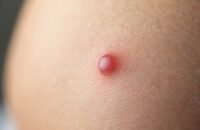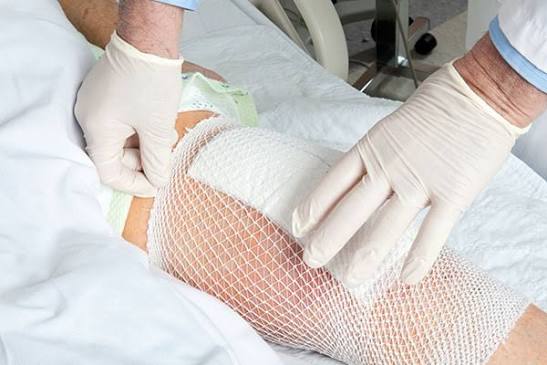
Recovering after surgery requires careful attention to wound care to reduce the risk of infection and support healthy healing. Many patients choose Wound Dressing at Home in Dubai because it provides the convenience of receiving quality care in a familiar setting without frequent trips to a healthcare facility. With assistance from a qualified Doctor at Home, surgical incision care can be managed safely while ensuring the wound is monitored throughout the recovery process. Understanding the best practices for caring for surgical incisions at home helps promote comfort, confidence, and successful healing.
Why Surgical Incision Care Is Important:
A surgical incision is a carefully created wound that requires protection while the body repairs damaged tissue. Proper dressing techniques help keep the incision clean, minimize exposure to bacteria, control drainage, and protect delicate healing skin. Consistent wound care also allows early identification of any changes that may require medical attention, helping support a smooth and uncomplicated recovery.
Understanding the Healing Process:
Every surgical incision follows a natural healing process that occurs over time. Knowing what to expect can help patients recognize normal healing while remaining alert to potential concerns.
The healing process often includes:
- Mild redness around the incision.
- Slight swelling during the early days.
- Formation of new tissue.
- Gradual reduction in drainage.
- Slow fading of the incision line.
Patience and consistent care allow the body to repair itself effectively.
Preparing for Dressing Changes:
Organizing supplies before beginning each dressing change helps maintain cleanliness and reduces unnecessary handling of the wound. A prepared environment supports safe and efficient wound care.
Essential preparation includes:
- Washing hands thoroughly.
- Gathering sterile dressing materials.
- Wearing disposable gloves if recommended.
- Cleaning the dressing area.
- Having a disposal bag ready for used supplies.
Good preparation minimizes contamination and helps protect the healing incision.
Keeping the Surgical Incision Clean:
Cleanliness is one of the most important aspects of surgical wound care. Gentle cleaning removes debris without damaging newly forming tissue.
Helpful practices include:
- Following healthcare instructions for cleaning.
- Using only recommended cleansing solutions.
- Avoiding harsh scrubbing.
- Patting the area dry gently.
- Keeping the incision protected after cleaning.
Proper cleaning creates a healthy environment for tissue repair.
Choosing the Right Dressing:
Different surgical incisions may require different dressing materials depending on their size, location, and healing stage. Appropriate dressings protect the wound while maintaining an ideal moisture balance.
Factors to consider include:
- Sterile materials.
- Proper wound coverage.
- Breathable design.
- Secure placement.
- Easy removal without damaging the skin.
Selecting suitable dressings contributes to effective wound healing and patient comfort.
Following the Recommended Dressing Schedule:
Changing dressings according to professional guidance helps maintain wound protection without disturbing healing tissue unnecessarily. Both excessive and infrequent dressing changes may delay recovery.
A consistent schedule should involve:
- Replacing dressings as advised.
- Inspecting the incision during each change.
- Using fresh sterile supplies.
- Avoiding unnecessary handling.
- Recording any noticeable changes if instructed.
Routine care supports steady healing while reducing infection risks.
Recognizing Signs of Healthy Healing:
Monitoring the incision during recovery helps patients understand whether healing is progressing as expected. Normal healing usually becomes more noticeable with each dressing change.
Positive signs include:
- Reduced redness.
- Minimal swelling.
- Dry or decreasing drainage.
- Closed wound edges.
- Gradual improvement in appearance.
Observing these changes provides reassurance that recovery is moving in the right direction.
Identifying Warning Signs That Need Attention:
Although many surgical wounds heal without complications, certain symptoms may indicate infection or delayed healing. Early recognition allows timely medical evaluation.
Warning signs include:
- Increasing redness around the incision.
- Thick yellow or green drainage.
- Persistent bleeding.
- Worsening pain.
- Unpleasant odor.
- Fever or chills.
Seeking prompt medical advice helps prevent complications from becoming more serious.
Supporting Healing Through Healthy Lifestyle Choices:
Recovery depends on more than proper dressing techniques. Healthy daily habits provide the body with the resources needed for tissue repair and overall healing.
Beneficial habits include:
- Eating balanced meals.
- Consuming adequate protein.
- Drinking enough water.
- Getting sufficient rest.
- Following recommended activity levels.
Supporting overall health contributes to stronger and faster recovery.
Protecting the Incision During Daily Activities:
Daily routines should be adjusted to avoid placing unnecessary stress on the healing incision. Protecting the wound helps prevent reopening or irritation.
Helpful precautions include:
- Avoiding heavy lifting.
- Wearing loose-fitting clothing.
- Keeping the dressing dry when advised.
- Preventing unnecessary friction.
- Following movement restrictions after surgery.
These simple measures help safeguard the incision throughout the healing process.
Maintaining Emotional Confidence During Recovery:
Surgical recovery can sometimes cause anxiety, especially when caring for an incision at home. Understanding proper wound care and following professional recommendations can help patients feel more confident throughout the healing journey.
Ways to encourage confidence include:
- Learning correct dressing techniques.
- Asking questions during follow-up appointments.
- Keeping a regular wound care routine.
- Monitoring healing without excessive worry.
- Seeking medical advice whenever concerns arise.
A positive and informed approach supports both emotional well-being and successful recovery.
Final Thoughts:
Choosing Wound Dressing at Home in Dubai offers a practical and comfortable solution for caring for surgical incisions while recovering in familiar surroundings. Careful attention to hygiene, proper dressing techniques, regular monitoring, and healthy daily habits all contribute to successful healing. By following professional recommendations, recognizing signs of normal recovery, and responding promptly to any warning symptoms, patients can reduce the risk of complications and support a smoother healing process, allowing surgical incisions to recover safely and effectively at home.