Liposuction has become a popular cosmetic procedure for individuals who want to improve their body shape and reduce stubborn fat deposits. Even with regular exercise and a balanced diet, certain areas of the body may retain unwanted fat that does not respond easily to traditional weight management methods. Liposuction offers a surgical approach to addressing these concerns by removing excess fat from targeted areas and creating a more defined body appearance. However, the success of the procedure depends on several factors, including the patient’s health, treatment goals, surgical technique, and the experience of the medical professional performing it. Finding the Best Liposuction Surgeon is therefore one of the most important decisions anyone should make before considering this treatment. Understanding what makes a surgeon qualified, how the procedure works, and what to expect during recovery can help patients approach their cosmetic journey with realistic expectations and greater confidence.
Understanding What Liposuction Can Achieve
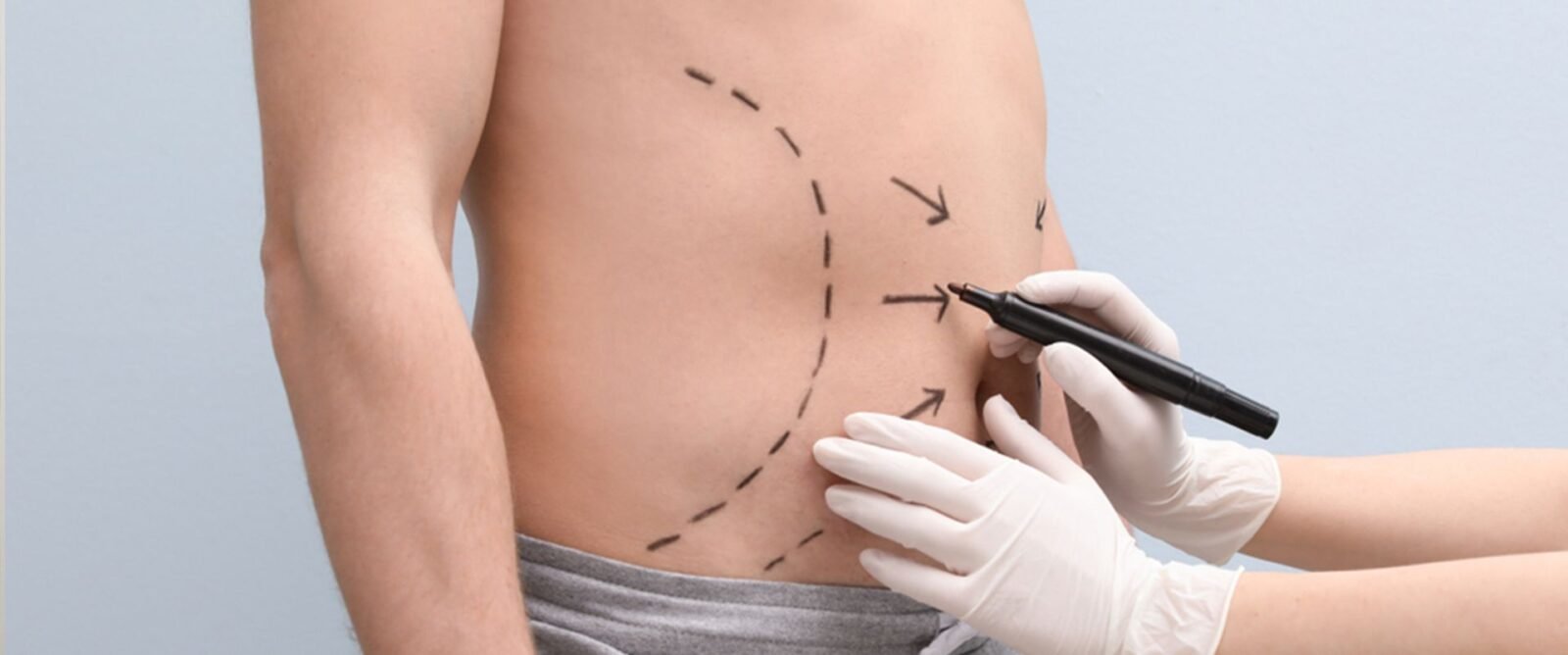
Liposuction is a cosmetic surgical procedure designed to remove localized fat deposits from specific areas of the body. It is commonly performed on the abdomen, waist, thighs, hips, arms, back, and chin. The main purpose is to improve body proportions rather than achieve significant weight loss. People who are relatively close to their ideal body weight but struggle with particular areas of stubborn fat may be suitable candidates. The procedure involves making small incisions through which a thin surgical instrument called a cannula is inserted. The cannula helps loosen and remove unwanted fat using an appropriate suction technique. Depending on the treatment plan, different liposuction methods may be considered. Although the procedure can improve body contours, it does not replace healthy lifestyle habits or guarantee permanent results if significant weight fluctuations occur afterward.
Why Choosing the Right Surgeon Matters
Liposuction requires more than simply removing fat from selected areas. It involves understanding body proportions, skin characteristics, fat distribution, and the relationship between different treatment areas. Removing too much fat or creating uneven contours can affect the overall appearance of the body. A qualified surgeon evaluates these factors before recommending a procedure. The Best Liposuction Surgeon should have appropriate surgical qualifications, relevant experience in body contouring, and a thorough understanding of different liposuction techniques. Equally important is the ability to explain potential complications, discuss realistic outcomes, and recommend an approach that suits the patient’s individual anatomy. Patients should never select a surgeon based exclusively on promotional offers, social media photographs, or attractive treatment packages. A detailed consultation and verification of professional credentials are essential steps in making an informed decision.
Important Qualifications to Look for in a Liposuction Surgeon
Before proceeding with surgery, patients should investigate the professional background of their chosen surgeon. Relevant qualifications and recognized surgical training demonstrate that the practitioner has completed appropriate medical education and specialist preparation. Experience with liposuction and other body contouring procedures is another important consideration. Patients can ask how frequently the surgeon performs the procedure and whether they have experience treating areas similar to their own concerns. It is also useful to understand where the surgery will take place and whether the facility follows appropriate safety and hygiene standards. A responsible surgeon should be comfortable discussing their qualifications, explaining the procedure, and answering questions without creating unrealistic expectations. Open communication is particularly important because cosmetic surgery is a personal decision that requires trust between the patient and the medical team.
Different Liposuction Techniques and Their Applications
Modern cosmetic surgery offers several liposuction techniques, and the most suitable option depends on the patient’s anatomy, treatment area, and surgical goals. Traditional suction-assisted liposuction uses a cannula connected to a suction device to remove fat deposits. Tumescent liposuction involves introducing a specialized fluid into the treatment area before fat removal, helping manage bleeding and discomfort during surgery. Ultrasound-assisted liposuction uses ultrasonic energy to help break down fat before it is removed. Laser-assisted liposuction uses laser energy to affect fat cells and may also produce some tissue tightening effects. However, the degree of skin tightening varies between individuals. Not every technique is suitable for every patient, and newer technology does not automatically mean better results. An experienced surgeon should explain the benefits, limitations, and potential risks of each approach before recommending a particular method.
Areas of the Body Commonly Treated with Liposuction
One advantage of liposuction is that it can address several areas where localized fat deposits affect body proportions. Abdominal liposuction is frequently considered by individuals who want a more defined waistline or a flatter-looking stomach. Treatment around the hips and flanks can help improve the transition between the waist and lower body. Thigh liposuction may address fat deposits along the inner or outer thighs, while arm liposuction focuses on unwanted fat around the upper arms. Some patients also consider back liposuction to improve the appearance of fat deposits around the upper or lower back. Submental liposuction, commonly known as chin liposuction, may help reduce fullness beneath the chin and improve the jawline’s appearance. The surgeon should evaluate each treatment area individually to determine whether fat removal is appropriate and whether additional procedures might be necessary.
Are You a Suitable Candidate for Liposuction?
Not everyone who wants to remove body fat is an appropriate candidate for liposuction. Generally, suitable candidates are individuals who are in reasonably stable health, maintain a relatively consistent body weight, and have localized fat deposits that remain despite lifestyle efforts. Skin elasticity is another important factor because the skin needs to adapt to the body’s new contours after fat removal. Individuals with significant loose skin may require a different surgical approach, such as a body lift or tummy tuck, depending on their circumstances. Patients should also disclose their medical history, previous surgeries, allergies, medications, and any existing health conditions during the consultation. Smoking, certain medications, and underlying medical problems can influence surgical risks and recovery. A comprehensive medical assessment helps determine whether the procedure is appropriate or whether alternative treatments should be considered.
What Happens During a Liposuction Consultation?
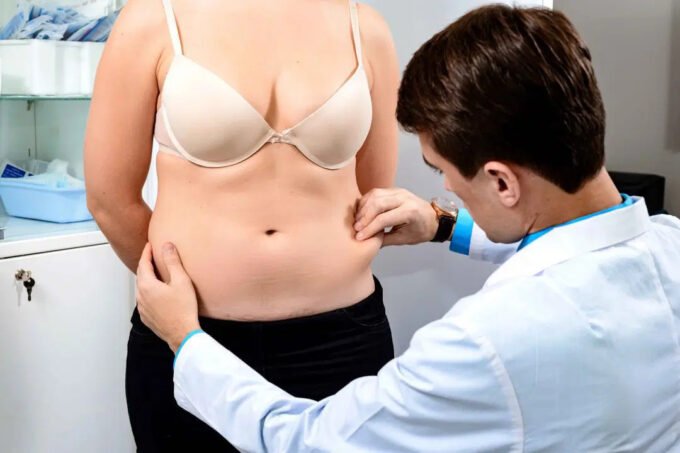
The consultation is an important opportunity to understand the procedure and establish realistic expectations. During this appointment, the surgeon generally discusses the patient’s concerns, examines the intended treatment areas, and evaluates skin quality and fat distribution. Medical history and general health are also reviewed to identify possible risk factors. Patients should clearly explain what they hope to achieve rather than relying only on photographs of other individuals. Body proportions differ, meaning the same treatment cannot produce identical results for everyone. The surgeon should explain the recommended technique, expected improvements, limitations, recovery requirements, and possible complications. Patients should also ask about the surgical facility, anesthesia, aftercare arrangements, and follow-up appointments. A professional consultation should feel informative rather than pressured, allowing individuals sufficient time to consider their options.
Understanding Liposuction Recovery and Aftercare
Recovery after liposuction varies depending on the extent of treatment, the technique used, and individual healing responses. Swelling, bruising, tenderness, and temporary changes in skin sensation are common during the initial recovery period. Some patients may be advised to wear compression garments to support the treated areas and help manage swelling. The surgeon will provide specific instructions regarding wound care, bathing, movement, and returning to everyday activities. Light walking may be encouraged when appropriate, while strenuous exercise and heavy physical activity generally need to be postponed until medical clearance is provided. Swelling can take several weeks or longer to settle, so the final body contour may not become apparent immediately. Attending follow-up appointments is important because the medical team can monitor healing and identify any concerns. Severe or worsening pain, fever, unusual discharge, breathing difficulties, or sudden swelling should receive prompt medical attention.
Potential Risks and Safety Considerations
Like every surgical procedure, liposuction carries potential risks that patients should understand before making a decision. These may include infection, bleeding, fluid accumulation, irregular contours, changes in skin sensation, scarring, and complications associated with anesthesia. More serious complications, although less common, can include blood clots, fat embolism, and fluid-related problems. The level of risk depends on several factors, including the patient’s health, the amount of fat removed, the treatment areas, and the surgical environment. Choosing an appropriately qualified surgeon and a properly equipped medical facility can help manage risks, although no procedure is completely risk-free. Patients should be cautious of promises of guaranteed results or claims that liposuction is entirely without complications. A thorough discussion of safety measures and emergency arrangements should always form part of the treatment decision.
How to Maintain Your Results After Liposuction
Liposuction removes fat cells from targeted areas, but it does not prevent remaining fat cells from increasing in size if a person gains weight. Maintaining a stable body weight is therefore important for preserving the improvements achieved through surgery. A balanced diet containing vegetables, fruits, lean proteins, whole grains, and healthy fats can support long-term weight management. Regular physical activity, including cardiovascular exercise and strength training, can also help maintain overall fitness and muscle definition. Adequate sleep and consistent healthy habits contribute to general well-being. Patients should follow their surgeon’s recovery recommendations before returning to demanding exercise routines. It is also important to understand that natural ageing and changes in skin elasticity may influence body appearance over time. Liposuction should be viewed as one part of a broader approach to maintaining healthy body proportions rather than a substitute for an active lifestyle.
Making an Informed Decision About Liposuction
Choosing a cosmetic surgery procedure requires careful consideration of personal goals, medical suitability, financial planning, and potential risks. Patients should compare professional qualifications, ask detailed questions, and ensure that they understand the complete treatment process before committing to surgery. The Best Liposuction Surgeon is not necessarily the person offering the lowest price or promoting the most advanced equipment. Instead, patients should prioritize appropriate qualifications, surgical experience, patient safety, honest communication, and an individualized treatment plan. Taking enough time to research available options can help reduce uncertainty and support better decision-making. Most importantly, individuals should pursue liposuction for personal reasons and maintain realistic expectations about what the procedure can accomplish.
For individuals exploring professional body contouring options in Dubai, selecting an experienced medical team and receiving a comprehensive consultation are important first steps. Understanding the available techniques, evaluating personal suitability, and discussing safety considerations can help patients make confident decisions about their cosmetic goals. Euromed Clinic Dubai provides a setting where individuals can explore their aesthetic treatment options, discuss their concerns with medical professionals, and learn more about personalized approaches to liposuction and body contouring.