Commercial buildings can experience damage from water leaks, storms, fire, smoke, aging materials, and unexpected accidents. These problems may affect offices, retail stores, warehouses, restaurants, and other business spaces. A Commercial Restoration Contractor helps coordinate the work needed to return an affected property to a usable condition. Depending on the damage, restoration may involve removing damaged materials, drying affected areas, repairing walls and ceilings, restoring flooring, and addressing other building components. A careful assessment at the beginning helps establish the scope of work and provides a clearer plan for restoring the property.
Assess the Damage Before Work Begins
Every restoration project presents different challenges. Water may affect flooring and wall cavities, while fire can leave behind damaged structures, smoke residue, and persistent odors. Before a Commercial Restoration Contractor begins repairs, the affected areas should be examined to determine the extent of visible damage and whether further testing is necessary. Hidden moisture, compromised building materials, and damaged electrical or mechanical systems may require specialized evaluation. Understanding these conditions helps establish the appropriate restoration process and reduces the risk of completing surface repairs before underlying problems have been resolved.
Address Water Damage and Moisture Problems
Water damage can develop after burst pipes, plumbing failures, roof leaks, overflowing fixtures, or severe weather. In commercial properties, moisture may spread through drywall, insulation, ceilings, flooring, and other building materials. A Commercial Restoration Contractor in Ontario can coordinate water removal, drying, damaged-material removal, and necessary repairs according to the condition of the property. Moisture readings and inspections may be needed to determine whether affected areas have dried sufficiently. Prompt action can limit further deterioration, although contaminated water or extensive damage may require additional safety precautions and specialized restoration procedures.
Repair Fire and Smoke Damage
Fire can affect more than the area where flames were present. Heat, soot, smoke residue, and odors may spread into adjoining rooms, ventilation systems, storage areas, and workplace equipment. A Commercial Restoration Contractor can organize the assessment and repair of affected building surfaces after the property has been declared safe for entry by the appropriate authorities. Restoration may include removing unsalvageable materials, cleaning suitable surfaces, treating smoke residue, and repairing damaged walls, ceilings, and finishes. Electrical systems, structural components, and HVAC equipment may need separate professional inspections before the building can return to normal use.
Restore Walls, Ceilings, and Interior Finishes
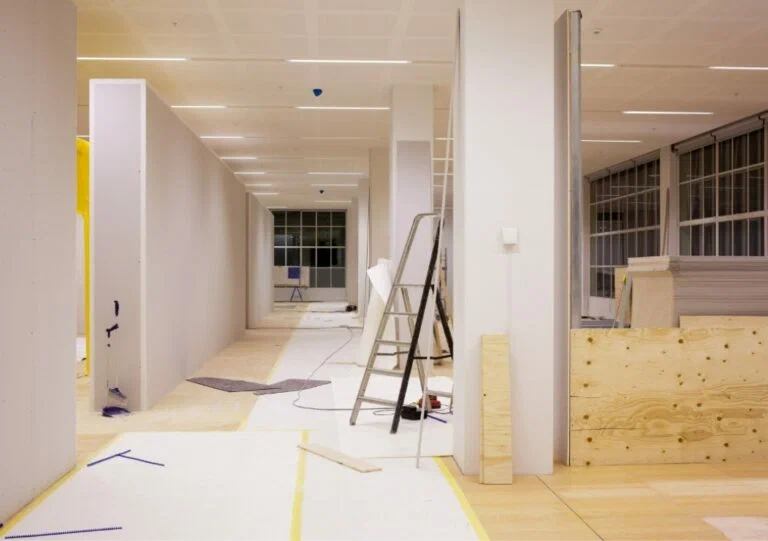
Commercial interiors often include drywall partitions, suspended ceilings, painted surfaces, flooring, trim, and built-in features. Damage from leaks, impacts, smoke, or deterioration can make these areas unsafe or unsuitable for everyday business activities. A Commercial Restoration Contractor can coordinate repairs to damaged sections and replacement of materials that cannot be restored. Before new finishes are installed, the underlying surfaces should be checked for moisture, stability, and other concerns. Matching existing colors and materials can also help maintain a consistent appearance throughout the property, especially when only part of a commercial space has been affected.
Check Structural and Building Systems
Some restoration projects involve concerns that extend beyond visible finishes. Water exposure, fire, severe storms, or impact damage can affect framing, support elements, roofing components, electrical systems, plumbing, and heating or cooling equipment. A Commercial Restoration Contractor can coordinate with qualified specialists when structural assessments or technical repairs are needed. Any damaged system should be evaluated before being returned to service. Depending on the property and the extent of the damage, permits, inspections, or other approvals may also be required. Resolving these issues before cosmetic work is completed helps create a more suitable foundation for the final restoration.
Protect Business Equipment and Inventory
Commercial properties may contain computers, machinery, office furniture, stock, documents, fixtures, and specialized equipment. Damage to these items can add to the disruption caused by the building repairs themselves. A Commercial Restoration Contractor can help organize the affected areas so salvageable belongings can be identified, separated, and protected where appropriate. Items exposed to moisture, soot, or other contaminants may require assessment by specialists before cleaning or reuse. Maintaining an inventory and documenting visible damage can also support insurance discussions and help business owners keep track of property that needs repair, replacement, or further evaluation.
Plan Restoration Around Business Operations
Restoration work can interrupt customer access, employee activities, deliveries, and other essential business functions. The work schedule should therefore reflect the needs of the business as well as the condition of the building. A Commercial Restoration Contractor can help organize work in stages when certain areas can remain safely in use, or coordinate a broader closure when extensive repairs are necessary. Clear communication about access restrictions, work areas, expected milestones, and temporary arrangements can reduce confusion. The safest schedule depends on the damage, the type of business, and any restrictions imposed by building officials or other qualified professionals.
Understand Estimates and Insurance Documentation
Restoration costs vary according to the type of damage, the amount of material affected, labor requirements, specialist services, and the need for replacement components. Before selecting a Commercial Restoration Contractor, request a written estimate that describes the planned work, materials, exclusions, and possible additional costs if hidden damage is discovered. Photographing affected areas, retaining relevant records, and keeping invoices can be useful when communicating with an insurance provider. Coverage depends on the policy and circumstances of the loss, so business owners should confirm requirements directly with their insurer rather than assume every restoration expense will be reimbursed.
Prepare the Property for Reopening
The final stage of restoration involves checking that completed work is suitable for the property’s intended use. Walls, ceilings, flooring, fixtures, plumbing, lighting, ventilation, and other affected components should be reviewed, with required inspections and approvals completed where applicable. A Commercial Restoration Contractor can coordinate outstanding corrections and provide information about completed repairs and recommended follow-up work. Business owners should also confirm that damaged equipment has been assessed and that affected areas are ready for safe occupancy. With a documented restoration plan, careful coordination, and appropriate inspections, a commercial property can move toward reopening with a clearer understanding of its condition and remaining maintenance needs.