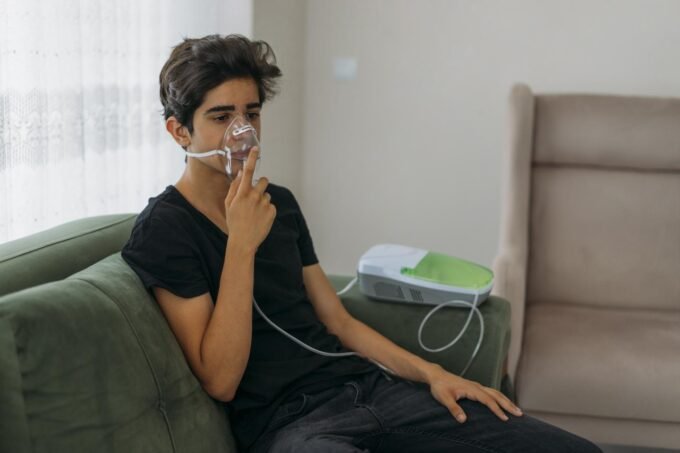
Caring for aging parents is a rewarding responsibility, but it also comes with emotional, physical, and practical challenges. Many families strive to provide the best support possible, yet certain mistakes can unintentionally affect a senior’s health, independence, and quality of life. Elderly Home Care in Dubai has become an increasingly popular solution for families seeking professional assistance while allowing loved ones to remain in familiar surroundings. Combined with services like Doctor at Home, families can create a safer and more supportive care environment that addresses both medical and daily living needs.
Waiting Too Long to Seek Professional Help:
One of the most common mistakes families make is delaying professional care until a medical crisis occurs. Many seniors show gradual changes in mobility, memory, or overall health that often go unnoticed or are dismissed as normal aging. Seeking professional assistance early allows caregivers to identify potential health concerns, create personalized care plans, and prevent avoidable complications before they become serious.
Ignoring Home Safety Risks:
A home that once felt completely safe may gradually become hazardous as seniors experience changes in balance, strength, or vision. Families sometimes overlook small safety improvements that can prevent major accidents. Essential home safety measures include:
- Removing loose rugs and clutter
- Installing grab bars in bathrooms
- Improving lighting throughout the home
- Securing stair railings
- Using non-slip flooring where needed
- Keeping emergency contact numbers easily accessible
Overlooking Emotional Well-Being:
Physical health often receives the most attention, while emotional health may be unintentionally neglected. Seniors living alone or coping with health challenges may experience loneliness, anxiety, or depression. Encouraging meaningful conversations, regular family visits, participation in hobbies, and social interaction helps maintain emotional wellness while strengthening overall quality of life.
Taking Away Independence Too Quickly:
Families naturally want to protect elderly parents, but becoming overly protective can reduce confidence and independence. Allowing seniors to continue performing tasks they can safely manage encourages self-esteem, preserves daily routines, and supports cognitive and physical health. Care should focus on assistance rather than replacing independence whenever possible.
Poor Medication Management:
Managing multiple medications can become increasingly difficult for older adults. Families sometimes assume prescriptions are being taken correctly without verifying schedules or possible interactions. Organizing medications with labeled pill organizers, setting reminders, maintaining updated medication lists, and reviewing prescriptions regularly with healthcare providers help reduce medication errors and improve treatment outcomes.
Failing to Plan for Medical Emergencies:
Unexpected medical emergencies can happen at any time, making preparation essential for every family. Having an emergency response plan ensures faster action during critical situations. Families should prepare:
- Updated medical records
- Emergency contact information
- Current medication lists
- Health insurance details
- First aid supplies
- Clearly accessible emergency phone numbers
Neglecting Proper Nutrition:
Healthy nutrition plays a significant role in maintaining strength, immunity, and overall health during aging. Families may unintentionally overlook changes in appetite, chewing difficulties, or hydration needs. Providing balanced meals, encouraging regular water intake, and adjusting diets according to medical conditions help seniors maintain better physical health and energy levels.
Failing to Communicate Effectively:
Open communication is essential for understanding a senior’s changing needs and preferences. Families sometimes make decisions without involving elderly parents, leading to frustration or feelings of losing control. Encouraging respectful conversations about healthcare, finances, living arrangements, and future planning helps build trust while ensuring care decisions reflect the senior’s wishes.
Ignoring Regular Medical Checkups:
Routine medical care helps detect health issues before they become severe. Some families wait until symptoms worsen before seeking medical attention, missing opportunities for early intervention. Regular health assessments, preventive screenings, and Doctor at Home services make it easier for seniors to receive consistent medical care without the stress of frequent clinic visits.
Forgetting to Support Family Caregivers:
Family caregivers often dedicate significant time and energy to caring for elderly loved ones while managing work, children, and personal responsibilities. Without adequate support, caregiver burnout can affect both the caregiver’s well-being and the quality of care provided. Sharing responsibilities, accepting professional assistance, and taking regular breaks help caregivers remain physically and emotionally healthy.
Final Thoughts:
Providing quality care for elderly parents requires thoughtful planning, open communication, and a willingness to seek professional support when needed. Avoiding common mistakes such as delaying medical care, overlooking home safety, neglecting emotional health, and failing to plan ahead can significantly improve a senior’s quality of life. With the support of Elderly Home Care in Dubai, families can ensure their loved ones receive compassionate, personalized care while maintaining comfort, dignity, and independence in the familiar surroundings of home.