Your skin is your body’s largest organ and acts as the first line of defense against the outside world. It protects you from harmful bacteria, pollution, and environmental damage while helping regulate body temperature. Because your skin plays such an important role, even small skin problems should never be ignored. Many people try home remedies or over-the-counter products without understanding the actual cause of their skin condition. A dermatologist can accurately diagnose skin disorders and recommend the right treatment before the problem becomes worse.
Why Skin Health Matters
Healthy skin does much more than improve appearance. It protects internal organs, prevents infections, and supports overall health. Skin conditions can sometimes indicate underlying health problems such as hormonal imbalances, allergies, diabetes, or autoimmune diseases. Regular skin care and timely medical attention can help prevent complications.
Acne
Acne is one of the most common skin conditions affecting teenagers and adults. It develops when hair follicles become clogged with oil, dead skin cells, and bacteria. Acne may appear as blackheads, whiteheads, pimples, or painful cysts.
While mild acne may improve with skincare products, severe acne often requires prescription medication, topical creams, or oral treatment provided by a dermatologist.
Eczema
Eczema causes dry, itchy, and inflamed skin. It often develops during childhood but can affect adults as well. Common triggers include harsh soaps, allergens, stress, and weather changes.
Dermatologists help patients manage eczema through medicated creams, moisturizers, and lifestyle recommendations that reduce flare-ups.
Psoriasis
Psoriasis is an autoimmune condition that causes thick, red patches covered with silvery scales. It usually appears on the elbows, knees, scalp, and lower back.
Early diagnosis is important because untreated psoriasis can affect joints and overall quality of life. Dermatologists offer personalized treatment plans to reduce symptoms and control flare-ups.
Skin Allergies
Skin allergies may occur due to cosmetics, detergents, medications, food, or environmental allergens. Symptoms often include redness, itching, swelling, or rashes.
Instead of guessing the cause, a dermatologist can identify the trigger and recommend safe treatments to relieve discomfort.
Fungal Skin Infections
Warm and humid environments encourage fungal infections such as ringworm, athlete’s foot, and yeast infections. These infections can spread if left untreated.
Prescription antifungal medications from a dermatologist often provide faster and more effective relief than self-medication.
Rosacea
Rosacea causes redness, visible blood vessels, and acne-like bumps, especially on the face. Many people mistake it for acne and use incorrect treatments that worsen the condition.
Professional diagnosis helps control symptoms and prevent long-term skin damage.
Skin Cancer Warning Signs
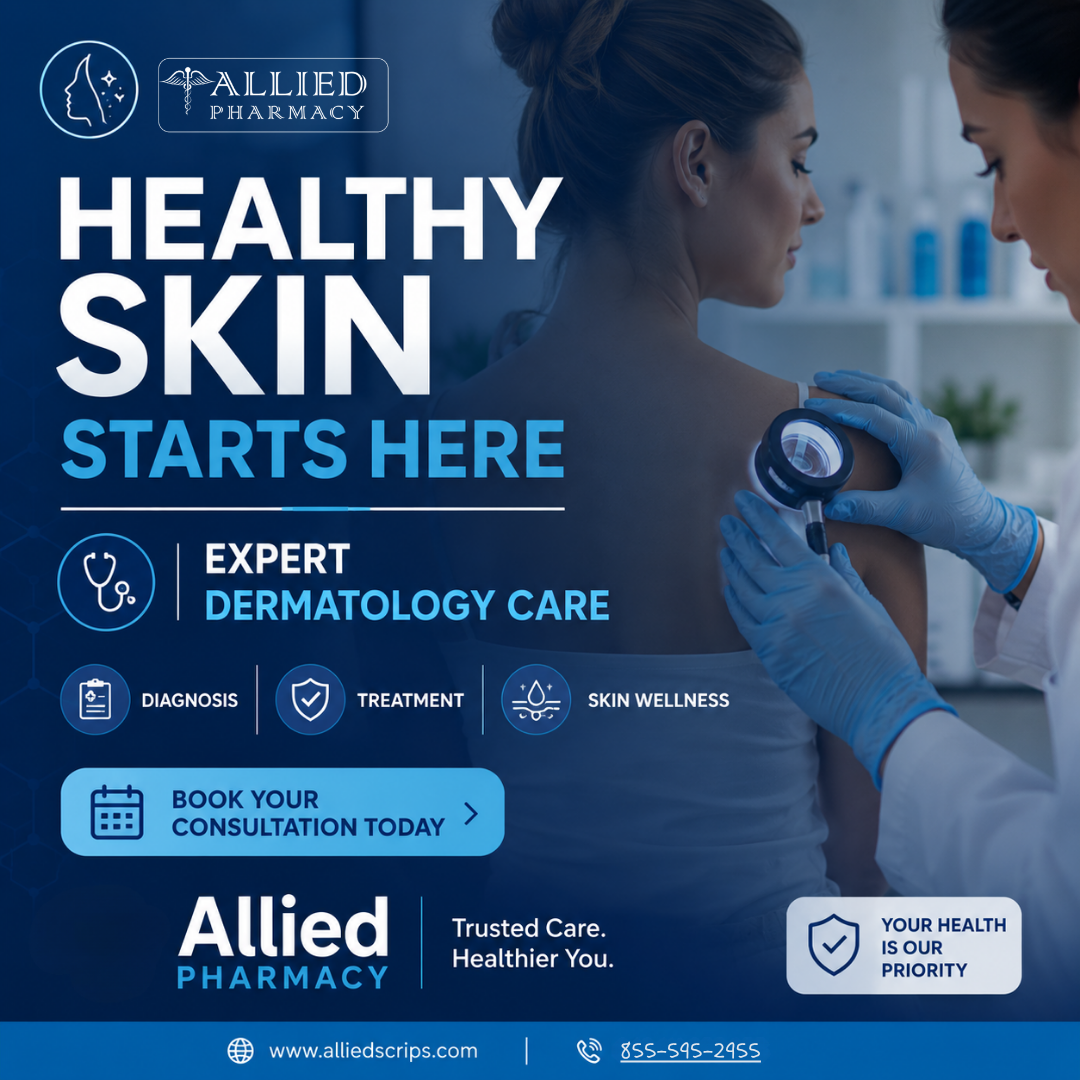
Skin cancer is one of the most treatable cancers when detected early. Watch for changes in moles, unusual growths, sores that do not heal, or changes in skin color.
Routine skin examinations by a dermatologist can help detect skin cancer in its earliest stages.
When Should You Visit a Dermatologist?
You should schedule a dermatology consultation if you experience:
- Persistent acne
- Unexplained skin rashes
- Severe itching
- Changing moles
- Hair loss
- Nail disorders
- Skin infections
- Chronic dry skin
- Pigmentation issues
- Wounds that do not heal
Early diagnosis often leads to faster treatment and better results.
Tips for Healthy Skin
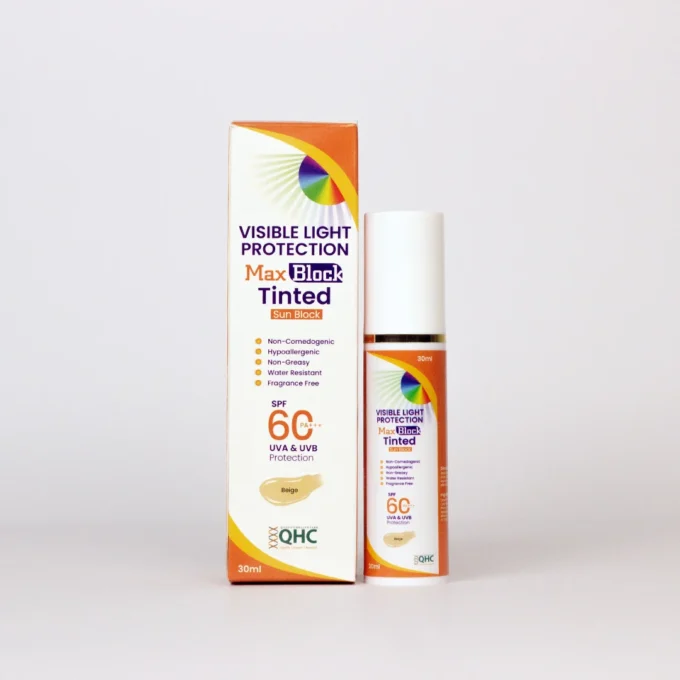
Protect your skin by wearing sunscreen daily, drinking plenty of water, eating nutritious foods, avoiding harsh skincare products, and maintaining a consistent skincare routine. Regular dermatology checkups can also help detect problems before they become serious.
Conclusion
Healthy skin contributes to overall health and confidence. Whether you are dealing with acne, eczema, allergies, or another skin condition, professional dermatology care can make a significant difference. Seeking expert advice early helps prevent complications and supports healthier skin for the future.