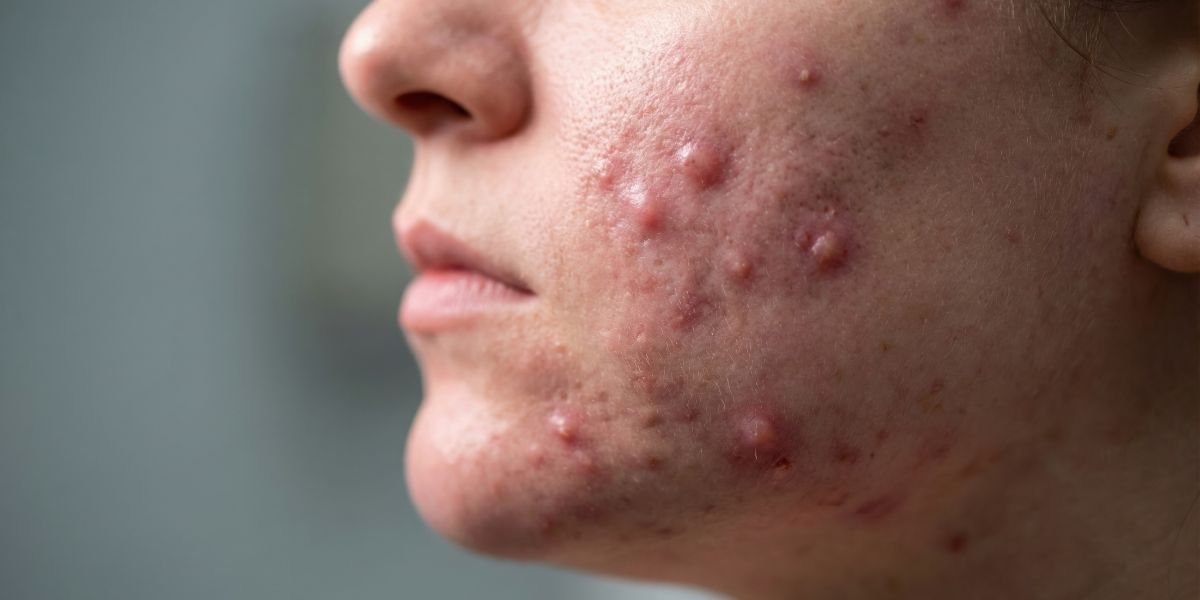
Acne is one of the most common skin concerns, especially during the teenage years, but it can affect adults as well. It can appear as blackheads, whiteheads, pimples, or deeper, painful lesions. Understanding the type of acne is important because treatment depends on its severity and characteristics. For children and teenagers with persistent breakouts, consulting a pediatric dermatologist in Chennai can help identify the condition and guide appropriate treatment.
What Is Acne?
Acne develops when hair follicles become clogged with oil, dead skin cells, and other debris. Increased oil production and inflammation can contribute to breakouts.
Acne commonly affects areas with more oil-producing glands, including the face, chest, shoulders, and back. While mild acne may improve with appropriate skincare, persistent or severe acne can sometimes lead to marks and scars.
Common Types of Acne
1. Whiteheads
Whiteheads are small, closed bumps that develop when a clogged pore remains covered by a thin layer of skin. They may appear as small white or skin-colored bumps.
2. Blackheads
Blackheads occur when a clogged pore remains open. The dark appearance is caused by oxidation of the material inside the pore, not simply by dirt.
3. Papules
Papules are small, raised, red bumps that develop when a clogged follicle becomes inflamed. They can be sensitive or tender.
4. Pustules
Pustules are inflamed bumps containing visible pus. They may appear with a red base and a white or yellow center.
5. Nodules
Nodules are larger, deeper, and often painful lesions that develop beneath the skin. They can be associated with more severe forms of acne.
6. Cysts
Cyst-like acne lesions are deep, painful, and inflammatory. Severe forms of acne may increase the risk of long-lasting marks or scarring and should be evaluated by a dermatologist.
What Causes Acne?
Several factors can contribute to acne development.
Excess Oil Production
Sebaceous glands produce oil to help protect the skin. Excessive oil production can contribute to clogged pores.
Dead Skin Cell Buildup
When dead skin cells accumulate inside hair follicles, they can combine with oil and contribute to blocked pores.
Hormonal Changes
Hormonal fluctuations during puberty can increase oil production and make acne more likely. Hormonal changes can also influence acne in adults.
Bacteria and Inflammation
Changes within clogged follicles can contribute to inflammation and the development of acne lesions.
Certain Products
Some skincare, haircare, or cosmetic products may contribute to clogged pores in acne-prone individuals. Choosing products that are appropriate for the skin type can help.
How Is Acne Treated?
Acne treatment depends on the type, severity, location, age of the patient, and risk of scarring.
Topical Treatments
Mild acne may be managed with dermatologist-recommended topical products. Depending on the condition, treatments may target clogged pores, excess oil, inflammation, or acne-causing factors.
Oral Medications
For moderate or severe acne, dermatologists may recommend oral medication when appropriate. The choice depends on the individual’s condition and medical history.
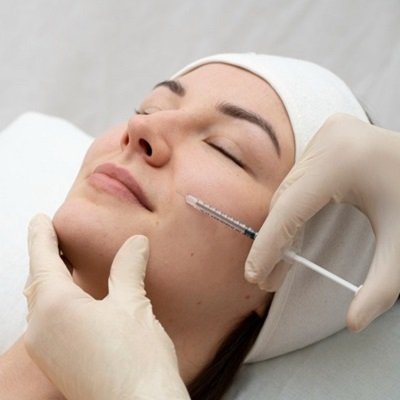
Professional Procedures
Certain acne-related procedures may be considered for selected patients. These should be performed based on professional assessment rather than as a one-size-fits-all approach.
Acne Scar Management
If acne has already caused scars or persistent marks, dermatologists may recommend separate treatments after the active acne is controlled.
Acne Care at Dermipure Dermaclinic
Dermipure Dermaclinic provides dermatological care for various skin concerns, including acne. Treatment is selected according to the patient’s skin condition, age, acne severity, and individual needs.
For teenagers and children experiencing recurring breakouts, professional evaluation can help distinguish ordinary acne from other conditions that may look similar and determine an appropriate treatment plan.
Simple Skincare Tips for Acne-Prone Skin
A consistent skincare routine can complement professional acne treatment.
- Cleanse the skin gently without excessive scrubbing.
- Avoid repeatedly touching or picking pimples.
- Choose suitable, non-comedogenic skincare products.
- Remove makeup before sleeping.
- Avoid harsh scrubs that can irritate inflamed skin.
- Keep hair and oily hair products away from the face when possible.
- Follow the treatment routine recommended by your dermatologist.
Common Acne Treatment Mistakes
One of the most common mistakes is trying too many products at once. This can irritate the skin and make it difficult to determine which products are helping.
Picking or squeezing pimples can also increase inflammation and may raise the risk of marks or scars.
Another mistake is stopping treatment too quickly. Many acne treatments require consistent use over time before noticeable improvement occurs.
When Should You Consult a Dermatologist?
Professional evaluation may be useful when acne:
- Is painful or deeply inflamed
- Keeps returning despite skincare
- Leaves dark marks or scars
- Covers large areas of the face or body
- Affects confidence or daily activities
- Appears suddenly or changes significantly
Early management can help control breakouts and reduce the likelihood of long-term skin changes.
Conclusion
Acne can appear in several forms, from blackheads and whiteheads to inflammatory papules, pustules, nodules, and deeper lesions. Since each type and severity may require a different approach, understanding the underlying condition is an important part of treatment.
With consistent skincare and dermatologist-guided care, acne can often be managed effectively. Seeking professional advice early is particularly useful when breakouts are persistent, painful, or leaving marks.