A healthy set of teeth makes everyday activities easier, from enjoying your favorite meals to speaking and smiling confidently. Unfortunately, tooth loss can affect these activities and create concerns about long-term oral health. Modern restorative dentistry offers several ways to replace missing teeth, with dental implants providing a stable and natural-looking option. People researching Dental Implant in Islamabad can explore advanced tooth replacement techniques according to their individual dental conditions. Enfield Royal Clinic in Islamabad is a place where patients can discuss their concerns and learn about available restorative treatment options.
What Makes Dental Implant Treatment Unique?
Dental implants are artificial tooth roots designed to replace the roots of missing natural teeth. They are generally manufactured using biocompatible materials, particularly titanium, which can integrate with the surrounding jawbone.
After the implant is placed, the bone gradually develops a connection with its surface. This process is called osseointegration and provides the stability needed to support an artificial tooth.
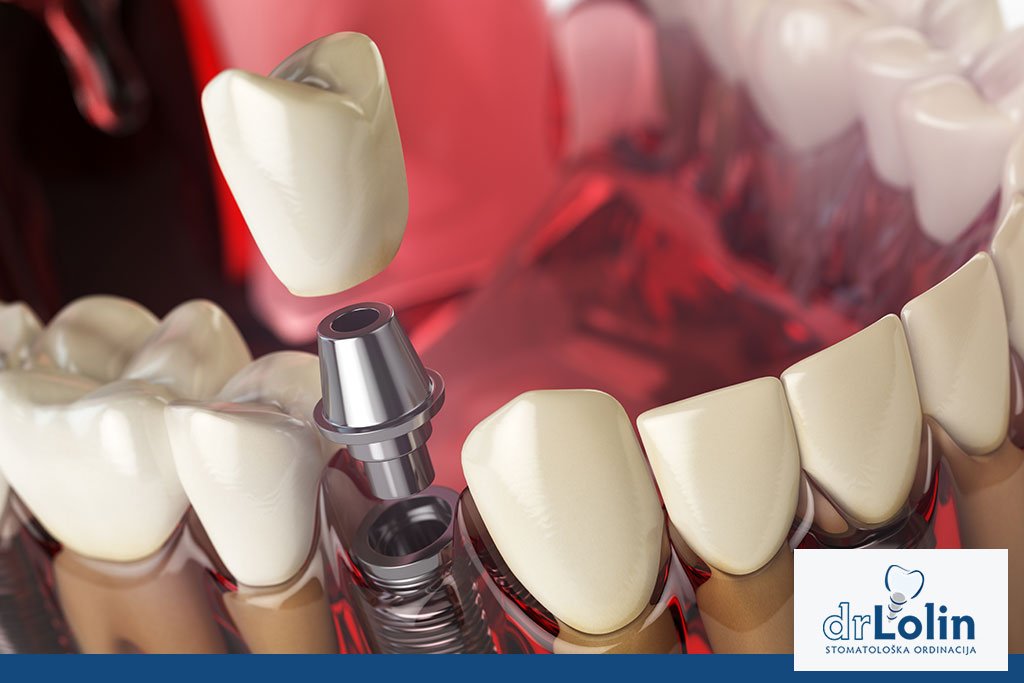
A complete implant restoration usually includes an implant fixture, an abutment, and a customized crown. Together, these components recreate the structure and function of a missing tooth.
For people considering Dental Implant in Islamabad, understanding this process helps explain why implants are different from conventional tooth replacement methods.
What Are the Signs That You May Need a Dental Implant?
Tooth loss can happen suddenly because of an accident or gradually because of dental disease. Recognizing the need for tooth replacement can help prevent additional oral health complications.
Some common situations include:
-
One or more missing natural teeth.
-
Difficulty chewing because of gaps in the dental arch.
-
Loose or uncomfortable traditional dentures.
-
A damaged tooth that cannot be restored.
-
Changes in bite alignment following tooth loss.
-
Reduced confidence because of visible missing teeth.
A missing tooth does not automatically mean an implant is necessary. A dental professional should evaluate the condition and discuss suitable alternatives.
How Does Implant Placement Work?
Dental implant placement requires careful preparation and accurate positioning.
During the procedure, the dentist first examines the treatment area and confirms the planned implant position. Local anesthesia is commonly administered to numb the area.
A small opening is prepared in the jawbone, and the implant fixture is carefully positioned. The gum tissue is then managed according to the surgical technique.
After placement, the implant requires an appropriate healing period. During this time, osseointegration develops and provides support for the final restoration.
Once the implant is sufficiently stable, an abutment and customized crown can be attached.
At Enfield Royal Clinic in Islamabad, individuals exploring Dental Implant in Islamabad can discuss the different treatment stages and understand what may be involved in their particular case.
Why Is Accurate Implant Positioning Important?
The position of a dental implant can influence its stability, functionality, and final appearance.
An implant must be positioned according to the available bone, surrounding teeth, gum condition, and expected bite forces. Incorrect positioning can create difficulties with cleaning, crown design, and long-term maintenance.
Modern diagnostic imaging can help dentists evaluate the jawbone and identify important anatomical structures before surgery.
Careful treatment planning is particularly important when replacing front teeth because even small differences in positioning may affect the appearance of the smile.
Can Dental Implants Help Preserve Natural Teeth?
Dental implants can replace missing teeth without normally requiring the preparation of neighboring healthy teeth.
For example, a conventional dental bridge may require the adjacent teeth to be reshaped so they can support the replacement tooth. A single implant can provide independent support instead.
However, implants do not directly protect every remaining natural tooth. Good oral hygiene, regular examinations, and appropriate dental care remain necessary.
Understanding Dental Implant Healing
Healing is an essential part of implant treatment. After placement, the surrounding bone gradually integrates with the implant surface.
The healing period differs depending on several factors:
Bone Quality: Strong and healthy bone can provide a favorable environment for implant stability.
Implant Location: Implants in different areas of the mouth may have different healing requirements.
General Health: Certain medical conditions can influence the body’s healing response.
Surgical Complexity: Additional procedures, including bone grafting, may extend the overall treatment timeline.
Patients should avoid placing unnecessary pressure on the surgical area and follow all professional instructions.
What Are the Possible Complications?
Like other surgical procedures, dental implant placement carries potential risks. Patients should understand these possibilities before beginning treatment.
Possible complications include infection, bleeding, swelling, nerve injury, sinus-related complications for certain upper-jaw procedures, and failure of the implant to integrate with the bone.
Another concern is peri-implant disease, which involves inflammation around the implant and can eventually affect supporting bone.
Good oral hygiene, appropriate patient selection, professional placement, and regular monitoring can help reduce these risks.
How Can You Keep Your Dental Implants Healthy?
Long-term implant care requires daily attention and professional maintenance.
Patients should clean their teeth carefully, including the areas surrounding implant-supported crowns. Specialized floss, interdental brushes, and water flossers may be recommended depending on the restoration.
Regular dental visits allow the dentist to monitor gum health, check implant stability, and identify early signs of complications.
Avoiding smoking and controlling conditions that affect oral health can also contribute to better long-term outcomes.
Why Consider Enfield Royal Clinic in Islamabad?
Choosing a dental clinic is an important decision that should involve more than convenience. Patients should consider the treating professional’s qualifications, experience with implant procedures, diagnostic facilities, sterilization standards, and availability of follow-up care.
Enfield Royal Clinic in Islamabad provides an opportunity for individuals to discuss their dental concerns and explore possible restorative treatments.
Patients searching for Dental Implant in Islamabad can discuss their suitability, treatment requirements, implant options, and expected recovery. A personalized consultation helps establish realistic expectations and supports informed treatment decisions.
Is It Time to Restore Your Missing Teeth?
Missing teeth can affect your smile, chewing ability, and overall dental health. Dental implants offer a modern solution for replacing lost teeth with stable restorations that are designed to look and function like natural teeth.