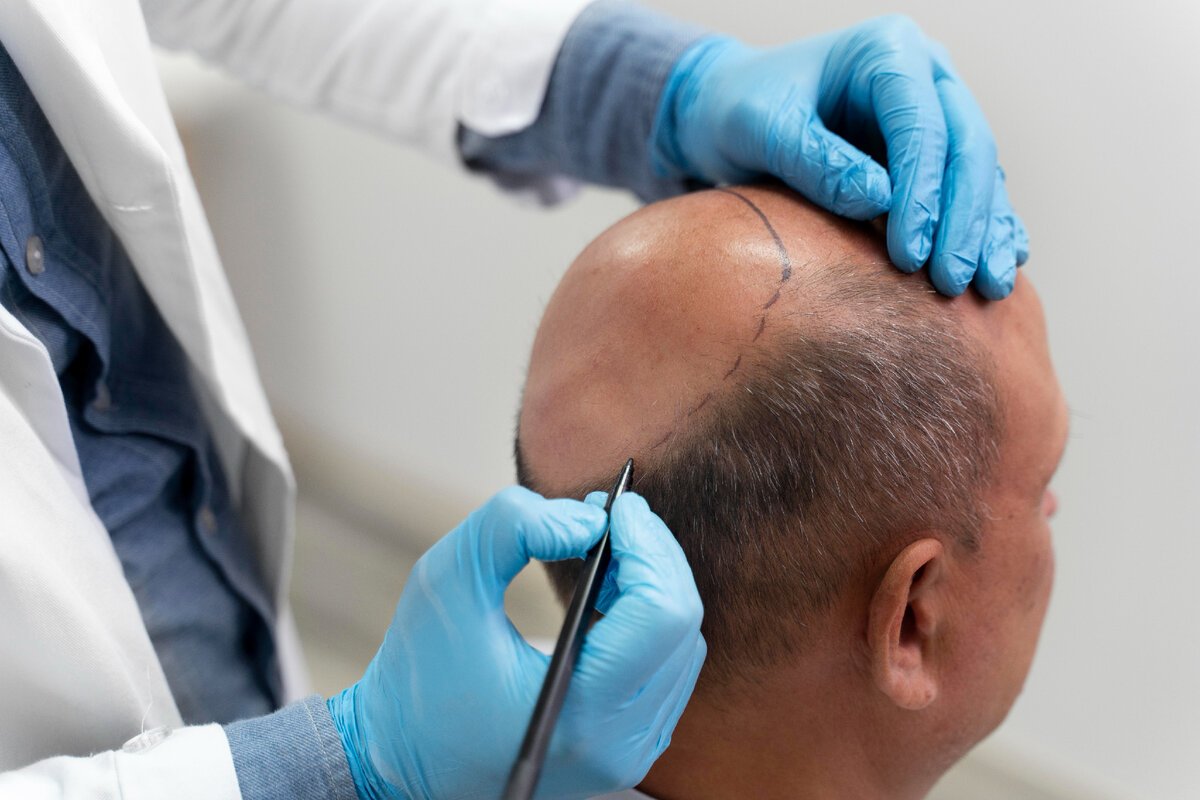
Hair loss can slowly change the shape and density of the scalp. A receding hairline, thinner temples, or reduced coverage across the top may become more noticeable over the years. For people looking for a modern restoration method, FUE Hair Transplant may be considered when the individual’s donor supply and hair-loss pattern make transplantation appropriate.
If you are researching hair transplant in Islamabad, understanding how FUE is planned and what factors influence the outcome can help you approach the treatment with realistic expectations.
What Happens in FUE?
Follicular Unit Extraction involves removing individual follicular units from a suitable donor region. These grafts are then prepared and placed into selected recipient areas.
The process requires careful attention because follicles are not simply placed randomly. Their position, angle, direction, and distribution can all influence how naturally the transplanted hair blends with existing growth.
The treatment plan is therefore developed around the patient’s individual characteristics.
Why Does the Hairline Need Special Attention?
The frontal hairline is highly visible and plays an important role in facial appearance.
A natural hairline generally has a soft transition rather than a completely straight edge. The design can take into account facial proportions, forehead shape, temple recession, age, and the existing pattern of hair growth.
Creating an appropriate hairline is not necessarily about placing the maximum number of grafts. It is about using available follicles strategically.
Can FUE Improve Receding Temples?
Temple recession is a common concern among people experiencing hair loss. As the temples become thinner, the forehead can appear wider and the hairline may take on a more mature shape.
FUE may be used to restore selected temple areas when the patient has suitable donor follicles.
Because temple hair has a particular direction and angle, careful placement is essential. The new follicles should transition naturally into the surrounding hair rather than creating a visibly different pattern.
What About Diffuse Thinning?
Some people do not develop a completely bald area. Instead, the hair across the top gradually becomes thinner, making the scalp more visible.
This type of thinning requires a different assessment. Existing follicles may still be present, and the treatment plan needs to account for them.
A professional may evaluate the density and quality of the existing hair before deciding whether transplantation could provide useful improvement.
Is the Donor Area Important?
The donor region is central to the entire process because it supplies the follicles used for transplantation.
Its density, hair thickness, follicular characteristics, and overall condition can influence the treatment possibilities.
A limited donor supply means that follicles need to be distributed carefully. Using them strategically can help address the most important areas while preserving the appearance of the donor region.
Can Hair Characteristics Affect the Outcome?
Hair characteristics vary from person to person. Thickness, texture, curl pattern, and contrast between hair and scalp can all affect how dense the final result appears.
Someone with thicker hair may achieve a different visual effect from someone with very fine hair, even if the number of transplanted follicles is similar.
This is why a personalized assessment is more useful than relying on a standard grafting formula.
How Is a Treatment Plan Created?
Before treatment, the patient’s current hair-loss pattern can be assessed along with the donor region and restoration goals.
Important considerations may include:
- Current areas of thinning
- Hairline position
- Temple recession
- Crown density
- Donor availability
- Existing hair
- Potential future hair loss
- Desired appearance
These factors can help establish a realistic approach to treatment.
What Can You Discuss With Dr Adnan Bashir?
A consultation with Dr Adnan Bashir gives patients an opportunity to discuss their concerns and understand the factors affecting their potential treatment.
Questions can include whether FUE is appropriate, which areas should receive priority, how the hairline may be designed, and what the recovery period may involve.
It is also important to discuss realistic expectations because every person’s hair growth and donor characteristics are different.
What Is Recovery Like?
The scalp can experience temporary changes following FUE. Redness, mild swelling, sensitivity, and small crusts may occur during the early healing period.
Aftercare instructions should be followed carefully, particularly regarding scalp washing and activities that may put unnecessary pressure or irritation on the treated areas.
The early appearance should not be confused with the final result because transplanted hair requires time to develop.
When Does New Growth Appear?
Hair restoration takes place gradually.
Some transplanted hairs may shed during an early stage before new growth begins. This can make the process feel slow, but hair follicles follow their own biological cycle.
Patients should therefore be prepared to wait for visible development rather than expecting immediate fullness.
Progress can differ between individuals, so regular follow-up and patience are important.
Can FUE Be Used on the Crown?
The crown has a distinctive growth pattern, often forming a circular whorl. This makes crown restoration different from rebuilding the frontal hairline.
Grafts need to be positioned according to the surrounding direction to create a cohesive appearance.
The amount of donor hair available may also influence whether crown restoration is included in the initial treatment plan.
Why Is Long-Term Planning Necessary?
Hair loss may continue after transplantation in areas that were not treated.
For this reason, a treatment plan should consider the patient’s current appearance as well as possible future changes.
Using donor follicles responsibly can help preserve options for future needs while addressing the areas that currently have the greatest visual impact.
Why Consider Enfield Royal Clinic in Islamabad?
Choosing a hair restoration clinic involves more than selecting a procedure. Patients should consider medical expertise, consultation quality, treatment planning, hygiene standards, follow-up, and realistic communication about expected outcomes.
For those exploring hair transplant in Islamabad, Enfield Royal Clinic in Islamabad can be considered when discussing FUE and other possible hair restoration approaches.
A thorough consultation can help determine whether the procedure matches the patient’s individual circumstances.
Can FUE Improve Your Overall Appearance?
Restoring hair in carefully selected areas may improve the visual balance between the forehead, hairline, temples, and top of the scalp.
However, the result depends on many individual factors. Donor supply, hair characteristics, existing density, healing, and future hair loss can all influence the final appearance.
For this reason, FUE should be approached as an individualized treatment rather than a guaranteed solution.
Final Thoughts
FUE Hair Transplant provides a modern method of transferring individual follicular units to areas affected by hair loss. Careful planning is essential for achieving a result that works naturally with the patient’s existing hair.