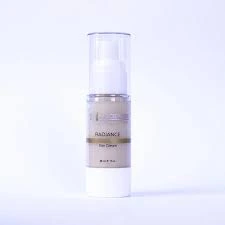
Healthy skin depends on more than simply washing your face and applying any moisturizer you have on hand. The products you use during the day and at night serve different purposes because your skin’s needs change over a 24-hour cycle. Choosing the right facial moisturizer for each part of your routine can improve hydration, strengthen the skin barrier, and help your complexion look healthier over time. If you’re wondering about Day Cream vs. Night Cream: What’s the Difference?, understanding how each formula works will help you create a smarter skincare routine. At Skin Sciences, we believe that informed skincare choices lead to better long-term results.
Why Your Skin Has Different Needs Throughout the Day
Your skin faces a variety of environmental challenges during daylight hours. Sun exposure, pollution, dust, changing temperatures, and blue light from digital devices can all contribute to moisture loss and oxidative stress.
At night, the situation changes. While you sleep, your skin naturally shifts its focus from protection to renewal. During this period, the skin works to restore hydration, repair its moisture barrier, and support natural cell turnover.
Because these needs are different, using products specifically formulated for morning and evening care can help maintain balanced, healthy-looking skin.
What Is a Day Cream?
A daytime moisturizer is designed to protect and hydrate your skin while preparing it for daily environmental exposure. These formulas are usually lightweight, fast-absorbing, and comfortable enough to wear beneath sunscreen or makeup.
Many daily moisturizers contain ingredients that help lock in hydration without leaving a greasy finish.
Key Benefits
- Maintains skin hydration throughout the day
- Supports the natural skin barrier
- Creates a smooth base for makeup
- Helps reduce moisture loss
- Leaves skin feeling fresh and comfortable
Some formulas also include antioxidants such as Vitamin C, Vitamin E, or Green Tea Extract, which help defend the skin from environmental stressors and free radicals.
What Is a Night Cream?
An overnight Night Cream is developed to provide deeper nourishment while your skin undergoes its natural recovery process. These products are generally richer in texture because they are intended to remain on the skin for several hours.
Nighttime formulas often focus on replenishing moisture and supporting skin renewal without the need to protect against daytime environmental exposure.
Common Advantages
- Delivers deep hydration
- Supports overnight skin repair
- Improves moisture retention
- Helps maintain skin elasticity
- Leaves skin soft by morning
Ingredients such as Ceramides, Hyaluronic Acid, Peptides, Panthenol, Shea Butter, and Squalane are frequently included because they help strengthen the moisture barrier and reduce dryness.
The Main Differences Between Morning and Evening Moisturizers
Although both products are designed to hydrate the skin, they differ in formulation, texture, and purpose.
|
Feature |
Daytime Formula |
Overnight Formula |
|
Texture |
Lightweight |
Rich and nourishing |
|
Purpose |
Hydration and daily protection |
Deep nourishment and recovery |
|
Absorption |
Quick-absorbing |
Longer-lasting hydration |
|
Typical Ingredients |
Antioxidants, hydrating agents |
Ceramides, peptides, restorative ingredients |
|
Finish |
Non-greasy |
Richer moisture seal |
Choosing each product according to its intended use allows your skincare routine to work more efficiently.
Ingredients That Make a Difference
Understanding ingredient labels can help you select products suitable for your skin type.
Hyaluronic Acid
This powerful humectant attracts moisture to the skin, improving hydration and giving the complexion a smoother appearance.
Ceramides
Ceramides strengthen the skin barrier and help prevent water loss, making them ideal for dry or sensitive skin.
Niacinamide
Known for its soothing properties, niacinamide supports an even-looking complexion while helping improve the appearance of enlarged pores.
Peptides
Peptides support healthy-looking skin by promoting firmness and improving the appearance of fine lines over time.
Vitamin C
This antioxidant helps brighten the complexion while defending against environmental damage caused by free radicals.
Glycerin
Glycerin attracts moisture and keeps skin feeling soft without creating a heavy texture.
Should Every Skin Type Use Separate Moisturizers?
In most cases, yes. Different skin types can benefit from choosing formulas designed for both daytime and nighttime use.
Dry Skin
Individuals with dry skin often benefit from richer moisturizing formulas containing ceramides, shea butter, and squalane during the evening, while using a hydrating lightweight moisturizer during the day.
Oily Skin
People with oily skin should choose non-comedogenic, lightweight moisturizers that hydrate without clogging pores. Gel-based or water-based formulations are often suitable.
Combination Skin
Combination skin typically responds well to balanced moisturizers that provide hydration without excessive oiliness.
Sensitive Skin
Fragrance-free products containing calming ingredients such as panthenol, aloe vera, and chamomile extract can help minimize irritation.
Why Sunscreen Still Matters
One common misunderstanding is that a daytime moisturizer alone provides enough protection.
Even when your moisturizer contains SPF, applying a dedicated broad-spectrum sunscreen remains one of the most important steps in any morning skincare routine.
Daily protection against UVA rays and UVB rays helps reduce premature skin aging, uneven skin tone, and sun-related damage.
A moisturizer supports hydration, while sunscreen provides the primary defense against ultraviolet exposure.
Building an Effective Morning Routine
Creating a consistent routine doesn’t need to be complicated.
A practical morning skincare routine includes:
- Cleanse with a gentle face cleanser.
- Apply a hydrating serum if needed.
- Use a lightweight facial moisturizer.
- Finish with broad-spectrum sunscreen.
- Apply makeup if desired.
Following these steps helps maintain comfortable, hydrated skin throughout the day.
Building an Effective Evening Routine
Nighttime is an excellent opportunity to replenish moisture after daily exposure.
A simple evening routine may include:
- Remove sunscreen and makeup thoroughly.
- Cleanse the skin gently.
- Apply treatment products if recommended.
- Use a nourishing overnight moisturizer.
- Allow the product to absorb before sleeping.
Consistency is often more important than using numerous products.
Common Mistakes to Avoid
Many skincare concerns develop because of simple routine mistakes rather than ineffective products.
Avoid these habits:
- Skipping moisturizer because your skin feels oily
- Using excessively heavy creams during hot weather
- Forgetting sunscreen after moisturizing
- Applying too much product at once
- Frequently switching skincare products
- Ignoring the needs of seasonal weather changes
A balanced approach usually delivers better long-term results.
How Skin Sciences Supports Healthy Skin
At Skin Sciences, product development focuses on combining science-backed ingredients with practical skincare solutions suitable for everyday use.
Our formulations are designed to support hydration, reinforce the moisture barrier, and promote a healthier-looking complexion across different skin types. Whether you’re creating your first skincare routine or upgrading an existing one, choosing products that complement your skin’s natural rhythm can make a noticeable difference.
Quality ingredients, consistent application, and realistic skincare expectations are the foundation of visible improvement.
Summary
Healthy skin isn’t achieved with a single product—it comes from using the right products at the right time. A lightweight moisturizer helps protect your skin during daily activities, while a richer overnight formula supports hydration and natural recovery as you sleep. Understanding how these products complement each other allows you to build a routine that works with your skin rather than against it.
At Skin Sciences, we believe effective skincare should be simple, evidence-informed, and suitable for everyday life. By selecting quality formulations, maintaining consistency, protecting your skin from sun exposure, and supporting your moisture barrier, you can enjoy smoother, healthier-looking skin throughout every season. A thoughtful skincare routine today is an investment in your skin’s future.
Frequently Asked Questions
Can I use the same moisturizer morning and night?
You can, but separate formulations are generally designed to meet your skin’s changing needs throughout the day and overnight, offering more targeted benefits.
Is a richer moisturizer always better?
Not necessarily. Your skin type should determine the texture you choose. Lightweight formulas suit oily skin, while richer creams often benefit dry skin.
Can oily skin skip moisturizer?
No. Oily skin still requires hydration. Choosing a non-comedogenic moisturizer helps maintain balance without increasing shine.
At what age should I start using separate skincare products?
There is no fixed age. Once you establish a regular skincare routine, selecting products designed for daytime and evening use can help support healthier skin over time.
How long does it take to notice improvements?
Most people notice better hydration within days, while improvements in overall skin texture and appearance typically require consistent use over several weeks.