


Dental bonding is a popular cosmetic dental treatment for people who want to improve the appearance of their teeth without undergoing complicated procedures. It can help repair chipped teeth, close small gaps, cover discoloration, and reshape uneven tooth edges. For patients exploring cosmetic dentistry, understanding the treatment, its benefits, and the factors influencing its price is an important first step.
The dental bonding cost philippines varies depending on the extent of the dental concern, the number of teeth requiring treatment, the materials used, and the dentist’s expertise. Consulting a qualified dental professional helps patients understand their options and receive a treatment plan that suits their dental condition, aesthetic preferences, and budget.
What Is Dental Bonding?
Dental bonding is a cosmetic procedure in which tooth-colored composite resin is applied to the surface of a tooth to improve its shape, appearance, or structure. The material is carefully selected to match the natural shade of the surrounding teeth, helping the restoration blend into the smile.
Unlike certain restorative procedures that require extensive preparation, bonding is often minimally invasive. In many cases, the dentist can complete the procedure in a single appointment, depending on the number of teeth being treated and the complexity of the restoration.

The composite resin is shaped, hardened using a special curing light, and polished to create a smooth and natural-looking finish.
Dental Bonding Cost in the Philippines: What Determines the Price?
Patients often compare dental bonding prices before deciding whether to proceed with treatment. However, the total cost is not always the same for everyone because several factors influence the final quotation.
1. Number of Teeth Being Treated
Bonding a single chipped tooth generally requires less material and time than improving multiple teeth. Patients who want to enhance several teeth may require a more comprehensive treatment plan, which can influence the overall cost.
2. Extent of Tooth Damage
Small cosmetic imperfections may be relatively straightforward to address. However, larger chips, irregular edges, or more noticeable gaps may require additional shaping and restorative work. The dentist evaluates the condition of each tooth before recommending the appropriate procedure.
3. Dentist’s Expertise
Cosmetic bonding requires precision, attention to detail, and an understanding of natural tooth anatomy. The dentist must select the appropriate resin shade, shape the material carefully, and create a balanced appearance that complements the patient’s smile.
4. Materials and Dental Technology
The quality of composite resin, available equipment, and clinical facilities may also influence treatment pricing. Modern dental technology supports more accurate assessments and helps dentists deliver carefully planned restorations.
5. Additional Dental Treatments
Some patients may need cleaning, treatment for cavities, or other dental procedures before cosmetic bonding. Addressing existing oral health concerns first helps ensure that cosmetic improvements are performed on a healthy foundation.
Who Can Benefit from Dental Bonding?
Dental bonding is suitable for individuals who want to correct minor imperfections while preserving as much natural tooth structure as possible. During a consultation, the dentist assesses the teeth, gums, bite, and overall oral health to determine whether bonding is an appropriate solution.

This cosmetic treatment may be recommended for:
- Chipped or cracked teeth: Repairing minor chips and improving the appearance of damaged edges.
- Discolored teeth: Covering certain stains that may not respond adequately to conventional whitening.
- Small gaps between teeth: Improving the appearance of spaces between adjacent teeth.
- Uneven tooth shapes: Reshaping teeth that appear shorter, irregular, or disproportionate.
- Worn tooth edges: Restoring the appearance of teeth affected by minor wear.
- Minor cosmetic imperfections: Improving the overall symmetry and appearance of the smile.
Boning is not suitable for every dental concern. Teeth with extensive damage, significant decay, or structural weakness may require alternative treatments, such as crowns, veneers, or other restorative procedures.
How Does the Dental Bonding Procedure Work?
Understanding the treatment process can help patients feel more comfortable before scheduling an appointment. Dental bonding is generally straightforward, although the exact steps may vary depending on the tooth being treated.
Step 1: Dental Consultation
The dentist examines the teeth and discusses the patient’s cosmetic concerns. The consultation helps determine whether bonding can achieve the desired result or whether another treatment would provide better long-term support.
Step 2: Shade Selection
A composite resin shade is selected to closely match the natural teeth. Careful shade selection is important because the restoration should blend seamlessly with the surrounding enamel.
Step 3: Tooth Preparation
The tooth surface is prepared to help the bonding material adhere properly. In many cases, preparation is minimal, making bonding a conservative cosmetic option.
Step 4: Composite Resin Application
The dentist applies the tooth-colored resin to the affected area and carefully shapes it to recreate the desired contour. This stage requires precision to achieve a natural-looking appearance.
Step 5: Curing and Polishing
A special light hardens the resin. The dentist then adjusts the shape, checks the bite, and polishes the restoration to create a smooth, attractive finish.
Benefits of Dental Bonding
Dental bonding offers several advantages for patients looking for a practical way to improve their smiles.
- Conservative treatment: Often requires minimal removal of natural tooth structure.
- Quick procedure: Many bonding treatments can be completed during a single visit.
- Natural appearance: Tooth-colored resin can be matched to the surrounding teeth.
- Versatile cosmetic solution: Addresses multiple minor imperfections.
- Comfortable treatment: Often requires little or no anesthesia, depending on the tooth and procedure.
- Convenient restoration: Patients can usually return to their regular activities shortly after treatment.
Although bonding provides cosmetic benefits, its longevity depends on oral hygiene, biting habits, the location of the restoration, and the care taken to protect the bonded tooth.
How Long Does Dental Bonding Last?
Composite bonding can last several years with proper maintenance, although it may not be as durable as porcelain veneers or dental crowns. The longevity of the restoration depends on the material, the size of the bonded area, the patient’s oral hygiene, and everyday habits.
Patients can help protect their bonded teeth by:
- Brushing twice daily using a soft-bristled toothbrush.
- Flossing regularly to maintain healthy gums.
- Avoiding biting hard objects such as ice, pens, and fingernails.
- Limiting foods and drinks that may contribute to staining.
- Visiting the dentist regularly for professional examinations and cleaning.
- Wearing a protective mouthguard if recommended for teeth grinding.
Bonded teeth may require polishing, repair, or replacement over time. Regular dental checkups allow the dentist to monitor the restoration and address any changes before they become more significant.

Why Choose Dental World Manila for Cosmetic Dentistry?
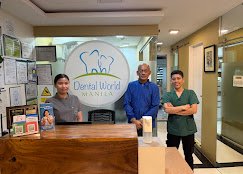
Dental World Manila provides cosmetic and restorative dental services designed to help patients improve their smiles with confidence. Headed by Dr. Malony L. Santos of St. Luke’s Medical Center, the clinic combines extensive dental expertise, modern facilities, and personalized treatment planning.
Patients benefit from a professional team that considers their oral health, cosmetic goals, and individual circumstances before recommending treatment.
Dental Services Available
Dental World Manila offers comprehensive dental care, including:
- Cosmetic dentistry and smile enhancement
- Dental bonding and tooth-colored restorations
- Dental veneers
- Dental implants
- Teeth whitening
- Dental fillings and restorative treatments
- TMJ evaluation and treatment
- Periodontics and gum care
- General dental examinations
- Personalized treatment consultations
With its own dental laboratory and advanced dental equipment, the clinic supports a wide range of dental needs in one convenient setting.
Convenient Clinic Locations
Dental World Manila serves patients through locations in key areas of Metro Manila:
- St. Luke’s Medical Center, Quezon City
- Centuria Medical Makati, Century City
- SM Mall of Asia Complex, Pasay City
- SM City North EDSA
These locations offer convenient access for local residents, returning Filipinos, and international visitors seeking professional dental services.
Frequently Asked Questions (FAQs)
1. How much does dental bonding cost in the Philippines?
The dental bonding cost philippines depends on the number of teeth being treated, the size of the restoration, the composite materials used, and the complexity of the procedure. A dental consultation is the best way to receive an accurate treatment estimate.
2. Is dental bonding cheaper than veneers?
Dental bonding is generally a more affordable cosmetic option than porcelain veneers. However, the ideal treatment depends on the patient’s dental condition, aesthetic goals, and expectations regarding durability.
3. Does dental bonding hurt?
Dental bonding is usually comfortable because it is minimally invasive. Anesthesia may not be necessary for uncomplicated cosmetic bonding, although the dentist may use it when required.
4. Can dental bonding fix gaps between teeth?
Yes. Bonding can help close small spaces between teeth by adding composite resin to the tooth surfaces. Larger gaps may require orthodontic treatment or other cosmetic procedures.
5. Can bonded teeth become stained?
Yes. Composite resin may stain over time, particularly with frequent consumption of coffee, tea, tobacco, or other staining substances. Good oral hygiene and regular dental visits help maintain its appearance.
6. Is dental bonding suitable for everyone?
Not necessarily. Patients with extensive tooth damage, untreated cavities, gum disease, or significant bite problems may require other treatments. A professional examination determines the most appropriate option.
Conclusion
Dental bonding is a convenient cosmetic dental solution for improving chipped teeth, discoloration, small gaps, and uneven tooth shapes. Understanding the treatment process, expected longevity, and factors affecting its price helps patients make informed decisions about their oral health and smile enhancement.
When researching the dental bonding cost philippines, consider more than just the price. The dentist’s expertise, quality of materials, treatment planning, clinic facilities, and long-term maintenance are equally important when choosing a dental provider.
Dental World Manila combines experienced dental professionals, advanced technology, personalized care, and convenient clinic locations to support patients seeking cosmetic and restorative dental treatments. We’re proud to be the go-to dental provider for many families in our community, year after year.
For more information, visit us at https://dentalworld.com.ph/.