Understanding Modern Fat Transfer Techniques
Cosmetic procedures continue to develop, offering individuals different ways to improve facial volume and body contours. Fat transfer, also called fat grafting, is one option that uses a person’s own fat to enhance selected areas. It involves collecting fat from a donor site, preparing it, and carefully placing it where additional volume is desired.
People considering Fat Transfer Treatment in Islamabad often want to understand how modern techniques may support balanced results and what influences their longevity. Although fat transfer can provide long-lasting enhancement, outcomes vary because some transferred fat is naturally absorbed by the body.
How Fat Transfer Treatment Works
Fat transfer generally involves three main stages: fat harvesting, processing, and placement.
During harvesting, the surgeon removes fat from a suitable donor area, such as the abdomen, thighs, or flanks, using a liposuction technique. The collected material is then processed to separate suitable fat cells from excess fluids and unwanted components.
Finally, the prepared fat is placed into the selected recipient area using specialized instruments. The surgeon uses a technique suited to the treatment location and the patient’s anatomy.
Each stage requires careful planning. The amount of fat collected and transferred depends on the desired enhancement, available donor tissue, and medical assessment.
Modern Approaches to Fat Preparation
Proper handling of collected fat is an important part of fat grafting. After harvesting, the fat is prepared to separate suitable tissue from unwanted material. Different surgeons may use different processing methods depending on their experience and the procedure being performed.
Careful handling is intended to prepare the fat for placement while minimizing unnecessary damage to the collected tissue. However, no preparation method can guarantee that every transferred fat cell will survive.
Patients should ask their surgeon which preparation technique will be used and why it is appropriate for their treatment goals.
Precise Fat Placement for Balanced Results
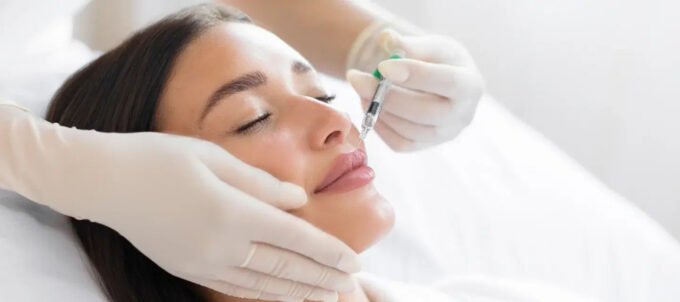
The way fat is placed can influence the appearance of the treated area. Surgeons generally use specialized instruments to introduce small amounts of fat into carefully selected locations.
The technique differs according to the recipient area. Facial fat grafting requires attention to delicate structures and natural facial proportions. Body fat transfer involves different anatomical considerations and treatment goals.
A balanced approach focuses on appropriate volume rather than excessive enhancement. The surgeon should explain how much improvement may realistically be achieved and whether more than one session could be needed.
Factors That Influence Long-Lasting Results
Several factors can influence how much transferred fat remains after healing. These include the treatment area, surgical technique, individual healing response, and the amount of fat absorbed by the body.
Other important considerations include:
-
Stable body weight: Significant weight changes can affect the appearance of transferred fat.
-
Individual healing: Each person’s body responds differently to surgery and fat grafting.
-
Treatment planning: Appropriate patient selection and careful placement are important.
-
Aftercare: Following medical instructions supports the recovery process.
-
Realistic expectations: Understanding that some fat may be absorbed helps patients assess results more accurately.
Even when transferred fat survives, natural aging and changes in body composition may influence the appearance over time.
Facial Areas That May Benefit from Fat Transfer
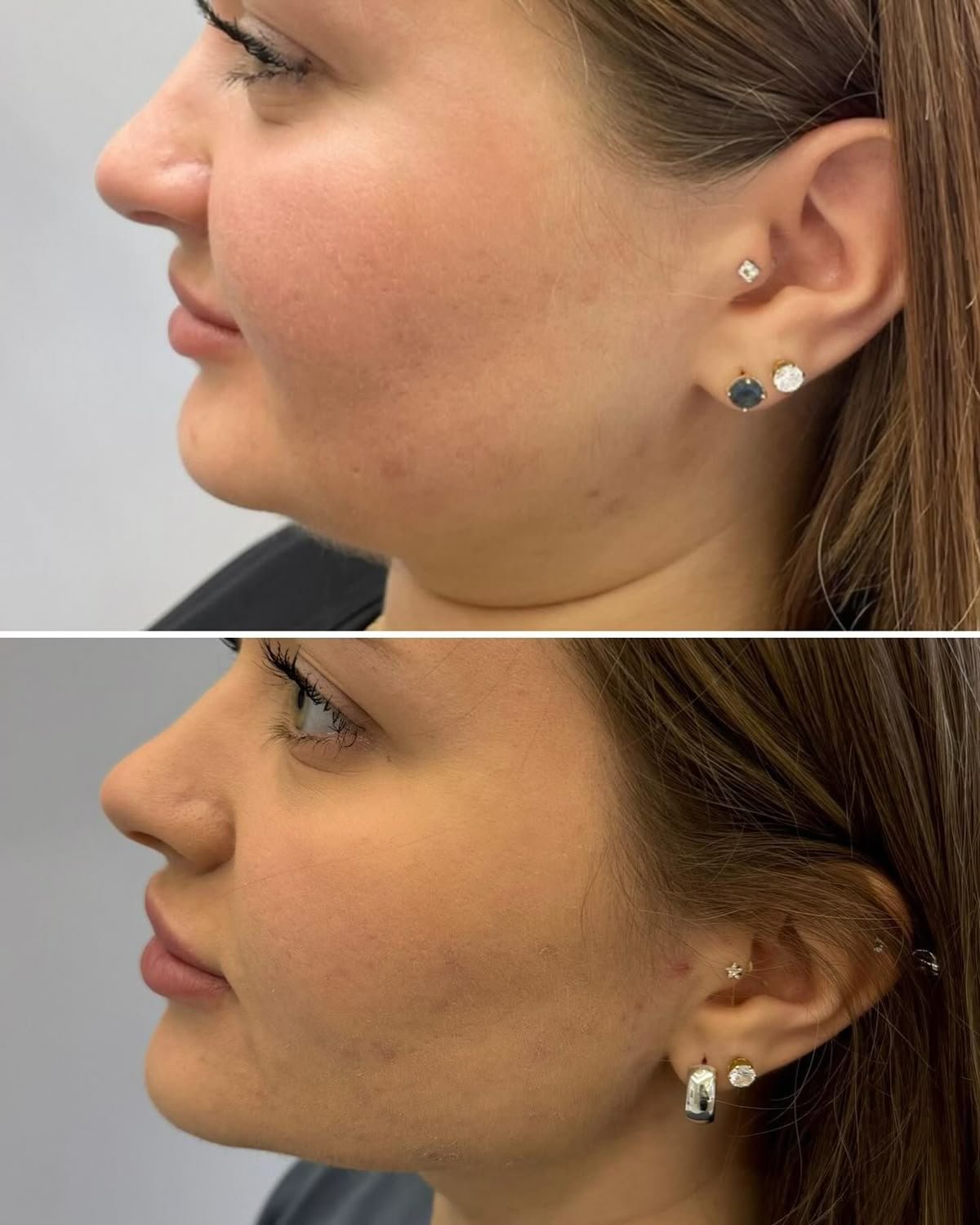
Facial fat transfer may be considered for people who have lost volume in selected areas. Common treatment locations include the cheeks and temples, where reduced fullness can affect facial balance.
Some patients may also be assessed for other facial hollows. Areas around the eyes require particular expertise because of their delicate anatomy and potential complications.
The goal is to complement existing facial features rather than create an exaggerated appearance. A detailed consultation helps determine whether fat grafting or another treatment is more suitable.
Body Contouring with Fat Grafting
Fat transfer may also be used to improve selected body contours. Depending on the patient’s anatomy and available donor fat, treatment may be considered for the breasts, hips, or other areas.
Breast fat transfer generally provides more modest volume enhancement than implants. Patients should discuss the limitations, possible complications, and effects on future breast imaging with their surgeon.
Buttock fat transfer requires especially careful safety consideration because fat embolism is a serious and potentially fatal complication. Anyone considering this procedure should discuss established safety standards, appropriate injection techniques, and the surgeon’s qualifications in detail.
Recovery and Aftercare for Better Healing
After fat transfer, patients may experience swelling, bruising, tenderness, and discomfort at both the donor and recipient sites. Recovery varies depending on the procedure and individual healing response.
The surgeon provides instructions about wound care, activity restrictions, and protecting treated areas from unnecessary pressure. Patients should avoid strenuous activities until medically cleared and attend scheduled follow-up appointments.
It is important to contact the medical team if symptoms become worse or if fever, unusual redness, increasing pain, or unexpected swelling develops.
Choosing Fat Transfer Treatment in Islamabad
When considering Fat Transfer Treatment in Islamabad, patients should research the surgeon’s qualifications, experience, facility standards, and approach to patient safety. A reliable consultation should cover the procedure, possible risks, expected recovery, costs, and realistic outcomes.
Avoid providers who promise permanent results or guarantee a particular amount of fat retention. No surgical technique can ensure that all transferred fat will survive.
Conclusion
Modern fat transfer approaches focus on careful patient assessment, appropriate fat preparation, precise placement, and personalized aftercare. These steps may support balanced and lasting enhancement, but individual results cannot be guaranteed. Understanding the procedure and choosing qualified medical care can help patients make informed decisions about facial or body rejuvenation.
Frequently Asked Questions
1. How can Fat Transfer Treatment in Islamabad provide long-lasting results?
Fat Transfer Treatment in Islamabad may provide long-lasting enhancement when transferred fat cells survive and establish a blood supply. However, some fat is naturally absorbed during healing, and results vary.
2. Does Fat Transfer Treatment in Islamabad use modern techniques?
Fat Transfer Treatment in Islamabad may involve specialized harvesting, fat-processing, and placement techniques. The surgeon selects an approach according to the treatment area, anatomy, and individual goals.
3. Can Fat Transfer Treatment in Islamabad improve both facial and body contours?
Fat Transfer Treatment in Islamabad may be considered for selected facial areas, hands, breasts, and body contours. Suitability depends on available donor fat, medical history, and the risks associated with each area.
4. What helps maintain results after Fat Transfer Treatment in Islamabad?
After Fat Transfer Treatment in Islamabad, following aftercare instructions, attending follow-up visits, and maintaining a relatively stable body weight may help preserve the appearance. Natural aging and weight changes can still affect results.
For more information visit
Enfield royal clinic in islamabad