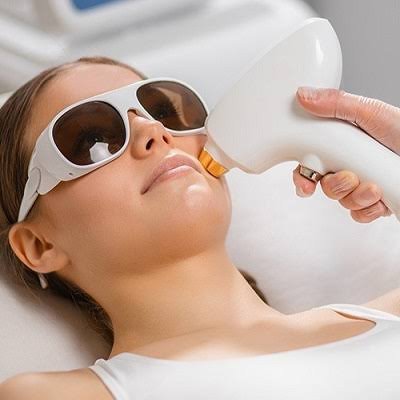
Hair colour plays an important role in how well laser hair removal works. People with dark, coarse hair often respond well because the hair contains more melanin, the pigment that absorbs the laser’s light energy. For those considering إزالة الشعر بالليزر في دبي, understanding the relationship between hair colour, skin tone, and laser technology can help set realistic expectations. Although dark hair is often easier to target, treatment results also depend on the device used, the treatment area, and individual hair-growth patterns.
Why Dark Hair Often Responds Better
Dark hair generally contains more melanin than light-coloured hair, making it easier for many laser systems to target the follicle. When the pigment absorbs the laser energy, heat is produced around the follicle, which can reduce its ability to grow hair. This is why dark, coarse hair often responds more predictably than very light or grey hair. However, hair colour alone does not determine the outcome, and several sessions are usually needed.
The Role of Melanin in Laser Treatment
Melanin is the natural pigment responsible for colour in the hair and skin. Laser hair removal uses light energy that is absorbed by melanin in the hair, allowing heat to reach the follicle. The challenge is directing enough energy toward the hair while protecting the surrounding skin. A suitable laser wavelength and carefully selected settings help balance treatment effectiveness with skin safety.
Dark Hair on Different Skin Tones
Dark hair can respond well on a range of skin tones, but the laser must be selected according to the contrast between hair pigment and surrounding skin. Light skin with dark hair often provides a strong contrast, while darker skin requires particular care because it contains more melanin that may also absorb laser energy. Modern laser systems can treat many darker skin tones when operated by a qualified professional with appropriate experience and settings.
How Light Hair Differs From Dark Hair
Blonde, white, grey, and some red hairs contain less of the pigment targeted by conventional laser hair-removal systems. As a result, these hair colours may respond less effectively or unpredictably. Dark brown or black hair usually offers a clearer target, although the response still varies by individual. If the hair contains very little pigment, a practitioner may discuss alternative methods, such as electrolysis, rather than recommend a treatment unlikely to provide meaningful results.
Hair Thickness and Treatment Effectiveness
Hair thickness also influences treatment response. Coarse hair often absorbs more laser energy than very fine hair, which can make it easier to target. However, coarse hair does not guarantee complete removal, and some follicles may continue producing hair after treatment. The practitioner should consider hair density, growth pattern, and treatment area when planning the number of sessions.
Number of Sessions Needed for Dark Hair
Even when hair is dark, a single session is not usually enough to achieve substantial reduction. Hair follicles grow in different phases, and laser treatment is most effective when the hair is in its active growth phase. Many people need around six to eight initial sessions, although the exact number depends on the area, hair characteristics, laser system, and individual response. Some people may also require maintenance sessions.
Choosing the Right Laser Technology
Different laser systems use different wavelengths, and their suitability depends on the person’s skin tone and hair characteristics. A practitioner should assess both before choosing a device and setting the treatment parameters. Recent tanning, skin sensitivity, and a history of pigmentation changes should also be considered. Appropriate technology and technique help reduce the risk of burns, irritation, and unwanted changes in skin colour.
Aftercare for Better Skin Recovery
After laser hair removal, the treated area may feel warm or appear slightly red for a short time. Gentle cleansing and avoiding irritating products can help the skin recover. Follow the clinic’s instructions about sun exposure, shaving, exercise, and the use of skincare products. Broad-spectrum sunscreen is important for exposed areas, while avoiding tanning can help reduce the risk of pigmentation changes.
Frequently Asked Questions
Is black hair the best colour for laser hair removal?
Black and dark brown hair often respond well because they contain more melanin for the laser to target. However, the outcome also depends on hair thickness, skin tone, laser technology, and individual response.
Can laser hair removal work on dark hair and dark skin?
Yes, many people with dark hair and darker skin can receive laser hair removal. The practitioner must choose a suitable device and settings to target the hair while reducing the risk of skin injury or pigmentation changes.
Does dark hair need fewer laser sessions?
Not necessarily. Dark hair may respond well, but several sessions are still required because follicles grow in different phases. The total number depends on the treatment area, hair density, and individual response.
Can laser hair removal treat fine dark hair?
Fine dark hair may respond, but results can be less predictable than with coarse hair. A practitioner can assess whether the hair is suitable for treatment and explain the likely outcome.
Can white or grey hair be removed with a laser?
Conventional laser hair removal is generally ineffective on white and grey hair because these colours contain little or no melanin for the laser to target. Electrolysis may be an alternative for suitable candidates.
Conclusion
Laser hair removal often works well on dark, coarse hair because its melanin absorbs the laser energy more effectively than lightly pigmented hair. However, the best results depend on more than hair colour alone. Skin tone, hair thickness, treatment area, laser technology, and growth patterns all influence effectiveness and safety. A professional assessment helps identify the appropriate device, establish realistic expectations, and create a treatment plan that supports gradual, long-term hair reduction.