


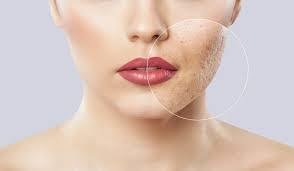
Scar revision is a refined area of reconstructive and cosmetic surgery, and one of the first concerns patients raise is the type of anesthesia involved. Many people picture a long operation under deep sleep, which can create unnecessary worry before they even book a consultation. In reality, the answer depends on the size, location, and complexity of the scar being treated. Patients exploring Surgical Scar Revision in Islamabad often discover that most procedures are far less demanding than they expected. A qualified surgeon evaluates each case individually before recommending the safest and most comfortable option. Understanding how anesthesia is chosen helps patients approach treatment with clarity and confidence.
The Short Answer
General anesthesia is not required for most scar revision procedures. Small and moderate scars are commonly treated under local anesthesia, where only the treated area is numbed and the patient stays awake and comfortable. General anesthesia is reserved for specific situations, such as extensive scars, multiple areas treated in one session, or patients who feel very anxious about being awake.
Understanding Local Anesthesia
Local anesthesia involves injecting a numbing medication directly into the skin around the scar. The patient may feel a brief pinch during the injection, after which the area becomes numb. Pressure or movement may still be felt, but pain should not be.
This option carries fewer risks, allows faster recovery, and avoids the grogginess and nausea that sometimes follow deeper sedation. Patients can usually go home soon after the procedure and resume light activity quickly.
When Sedation Is Added
Some patients prefer to feel relaxed during treatment even when the scar is small. In these cases, light sedation can be combined with local anesthesia. The patient remains in a calm, drowsy state, aware of little around them, while the area stays fully numb. This approach suits people with dental or procedural anxiety who still want to avoid the full effects of general anesthesia.
When General Anesthesia May Be Recommended
There are situations where general anesthesia is the better choice. Large scars from burns or major injuries may need long surgical time and extensive tissue work. Scars on sensitive areas, or procedures such as skin grafts and flap reconstruction, may also call for complete unconsciousness for comfort and precision.
Children and some nervous adults may also benefit from general anesthesia, since staying still during delicate work is important for a good result. In such cases an anesthesiologist monitors the patient throughout the procedure to keep everything safe.
Factors That Influence the Decision
Several details shape the final recommendation. The scar’s size, depth, and position on the body all matter. A narrow facial scar needs a very different plan from a wide scar across the abdomen or limb. The surgical technique also plays a role, since simple excision requires less than tissue rearrangement or grafting.
Personal health is equally important. Age, medical history, allergies, medications, and previous reactions to anesthesia all guide the surgeon. Patient preference is also taken seriously, because comfort affects both experience and outcome.
Non-Surgical and Minimally Invasive Options
Not every scar needs an operation. Treatments such as laser therapy, microneedling, steroid injections, and chemical peels can improve texture, color, and thickness. These usually need no anesthesia beyond a topical numbing cream, which makes them attractive for patients who want minimal downtime.
A surgeon may suggest combining surgical and non-surgical methods for the best outcome. For example, a scar may be surgically narrowed first and then polished with laser treatment later.
Safety and Preparation
Whatever the anesthesia type, safety begins with honest communication. Patients should share their full medical history, current medicines, and any past anesthesia problems. Fasting instructions must be followed when sedation or general anesthesia is planned.
Choosing a facility with proper monitoring equipment and trained staff adds an extra layer of protection. Patients should feel free to ask which anesthesia is planned and why.
Recovery After the Procedure
Recovery depends largely on the anesthesia used and the extent of surgery. After local anesthesia, patients often feel normal within hours. After general anesthesia, rest is needed for a day or so, and someone should accompany the patient home.
Scars continue to mature for many months. Protecting the area from sun, following wound care guidance, and attending follow-up visits all help the final appearance improve.
Contact Details
Address : Office Number LG 20 – 21 Interlace Plaza I-8 Markaz Islamabad
Phone : +92 333 5705871
Email : info@glamorousclinic.com.pk
Link : https://www.glamorousclinic.com.pk/
Conclusion
Scar revision does not automatically mean general anesthesia. Most patients are treated comfortably with local anesthesia, sometimes paired with light sedation, while general anesthesia is kept for larger or more complex cases. The right choice depends on the scar, the technique, and the patient’s health and comfort. A thorough consultation with an experienced surgeon removes the guesswork, explains the options clearly, and ensures the plan is both safe and suited to each person’s needs.