Have you ever skipped a family outing, avoided a morning walk, or stopped doing household chores because you were worried about becoming short of breath? If so, you’re not alone. Many people living with respiratory conditions slowly reduce their activity because they fear breathlessness. While this may seem like the safest option, becoming less active often makes the problem worse. Muscles weaken, stamina decreases, and even simple tasks begin to feel exhausting.
The good news is that breathlessness doesn’t have to control your life. With the right treatment and guidance from Tidal Breath Physiotherapy, you can improve your breathing, increase your confidence, and enjoy a more active lifestyle. Respiratory physiotherapy combines proven techniques, exercise, and education to help people manage respiratory conditions and regain their independence.
Understanding Why Breathlessness Happens
Breathlessness can develop for many reasons. Chronic respiratory conditions such as Chronic Obstructive Pulmonary Disease (COPD), asthma, bronchiectasis, pulmonary fibrosis, and even recovery from pneumonia or COVID-19 can reduce the lungs’ ability to deliver oxygen efficiently.
When breathing becomes difficult, the body works much harder to perform everyday activities. Even walking across a room or carrying groceries may leave someone feeling tired and uncomfortable. Over time, many people begin avoiding physical activity altogether.
Although medications are important for managing many lung conditions, they often work best when combined with rehabilitation that focuses on improving breathing patterns, movement, and overall fitness.
A qualified Respiratory Physiotherapist Ballina can assess your condition and create a personalized program that helps you move with greater ease while reducing the impact of breathlessness on your daily routine.
The Cycle That Makes Breathing More Difficult
One of the biggest challenges faced by people with respiratory conditions is the cycle of inactivity.
It usually begins with breathlessness during physical activity. To avoid discomfort, people naturally reduce their movement. Unfortunately, reduced activity causes muscles to lose strength and endurance. Weaker muscles require more oxygen during movement, which means the body has to work even harder.
Eventually, even simple activities become tiring.
Respiratory physiotherapy helps interrupt this cycle by introducing safe, gradual movement that rebuilds strength without overwhelming the body.
Breathing Techniques That Really Work
Many people are surprised to learn that breathing itself can be improved through training.
Respiratory physiotherapists teach techniques that help the lungs work more efficiently while reducing unnecessary effort. Controlled breathing exercises encourage slower, deeper breaths that improve oxygen intake and help calm feelings of anxiety that often accompany breathlessness.
Techniques such as diaphragmatic breathing strengthen the main breathing muscle, while pursed-lip breathing helps keep the airways open for longer during exhalation.
With regular practice, these methods become natural and easier to use during everyday activities.
Exercise Builds Confidence
Exercise may sound intimidating when breathing already feels difficult, but carefully planned physical activity is one of the most effective treatments available.
Programs are individually designed according to each person’s fitness level and medical condition. Gentle walking programs, resistance exercises, stretching, and balance activities gradually improve muscle strength and cardiovascular fitness.
As endurance improves, many patients discover they can perform daily tasks with far less effort than before.
The focus is never on pushing beyond your limits. Instead, it is about helping you become stronger in a safe and comfortable way.
Airway Clearance Improves Lung Function
Some respiratory illnesses cause excess mucus to build up inside the lungs. This can block airflow, increase coughing, and raise the risk of infection.
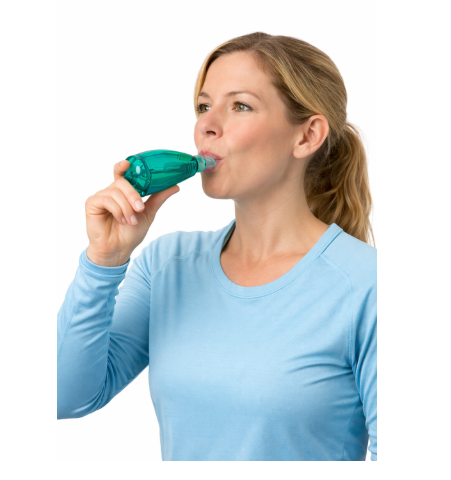
Respiratory physiotherapists teach airway clearance techniques that make it easier to remove mucus naturally. Controlled coughing methods, breathing exercises, and positioning strategies all support healthier lungs.
Regular airway clearance can improve breathing comfort while reducing the likelihood of recurring chest infections.
Everyday Tips That Make Life Easier
Managing a respiratory condition isn’t only about treatment sessions. Small lifestyle adjustments often make a significant difference.
Patients learn practical strategies for conserving energy throughout the day. These may include pacing activities, taking planned rest breaks, improving posture, and coordinating breathing with movement.
These simple techniques reduce unnecessary strain and allow people to stay active without becoming overly fatigued.
Learning how to manage daily activities efficiently helps maintain independence and improves overall quality of life.
Recovery After Respiratory Illness
Recovery from chest infections or respiratory illnesses often takes longer than expected. Even after the illness itself has resolved, many people continue experiencing fatigue, weakness, and breathlessness.
Respiratory physiotherapy provides structured rehabilitation that gradually restores physical fitness while improving breathing efficiency.
Patients recovering from pneumonia, influenza, surgery, or long COVID frequently benefit from personalized rehabilitation programs that help rebuild strength safely.
Professional support also provides reassurance during recovery, ensuring progress occurs at a comfortable pace.
Education Creates Long-Term Success
Understanding your respiratory condition is just as important as physical treatment.
Patients learn how their lungs function, what triggers worsening symptoms, and how to recognize early warning signs. This knowledge helps them respond quickly to flare-ups while maintaining healthier daily habits.
Education also reduces fear. When people understand why they feel breathless and know how to manage it, they often become much more confident about staying active.
Personalized Care Delivers Better Outcomes
Every individual experiences respiratory conditions differently. Age, lifestyle, medical history, and physical ability all influence treatment needs.
At Tidal Breath Physiotherapy, every rehabilitation plan is tailored to meet the unique goals of each patient. Regular reviews ensure exercises continue to match improvements in strength and breathing ability, allowing steady progress over time.
Rather than offering a one-size-fits-all approach, personalized care helps patients achieve meaningful improvements that support long-term health.
Breathe Better and Live More Fully
Breathlessness should never stop you from enjoying the activities that matter most. Whether you want to walk further, play with your grandchildren, return to gardening, or simply complete daily tasks with less effort, respiratory physiotherapy can help you move toward those goals.
Working with a Respiratory Physiotherapist Ballina gives you access to practical techniques, personalized exercise programs, and ongoing support that improve breathing and restore confidence. With expert guidance from Tidal Breath Physiotherapy, every step becomes easier, every breath feels more controlled, and every day offers a new opportunity to live more actively and independently.