Endometriosis is a common yet often misunderstood health condition that affects many women during their reproductive years. It can cause pain, discomfort, and difficulties with fertility, impacting daily life and emotional well-being.
Many women live with symptoms for years before receiving a proper diagnosis because the signs can be mistaken for normal menstrual discomfort. Understanding the condition and seeking timely medical care can make a significant difference in managing symptoms and improving quality of life.
Endometriosis Treatment focuses on relieving symptoms, controlling the growth of endometrial tissue, improving fertility when needed, and helping women lead healthier and more comfortable lives. With advances in medical technology and specialized care, women in Dubai have access to effective diagnostic methods and treatment options tailored to their individual needs.
What Is Endometriosis?
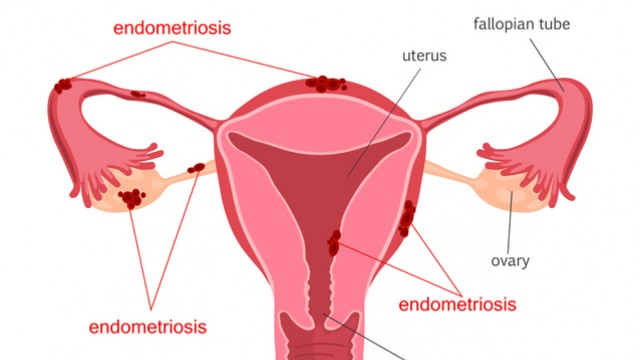
Endometriosis is a condition in which tissue similar to the lining of the uterus (endometrium) grows outside the uterus. These growths are commonly found on the ovaries, fallopian tubes, outer surface of the uterus, and other pelvic organs.
Like the tissue inside the uterus, these growths respond to hormonal changes during the menstrual cycle. They can thicken, break down, and bleed each month. However, because this tissue is outside the uterus, the blood cannot leave the body normally. This can lead to inflammation, pain, scar tissue formation, and adhesions.
Endometriosis can range from mild to severe and affects each woman differently.
How Common Is Endometriosis?
Endometriosis affects millions of women worldwide. It is one of the leading causes of chronic pelvic pain and infertility.
Despite its prevalence, many women remain undiagnosed for years because symptoms may be dismissed as normal menstrual pain. Increased awareness and early evaluation are essential for timely diagnosis and management.
Causes of Endometriosis
The exact cause of endometriosis is not fully understood. However, several theories may explain why it develops.
Retrograde Menstruation
This occurs when menstrual blood flows backward through the fallopian tubes into the pelvic cavity instead of leaving the body. Endometrial-like cells may then attach to pelvic organs and continue growing.
Genetic Factors
Women with close family members who have endometriosis may have a higher risk of developing the condition.
Immune System Problems
An impaired immune system may have difficulty recognizing and destroying endometrial-like tissue growing outside the uterus.
Hormonal Influences
Hormones, especially estrogen, can promote the growth and progression of endometriosis.
Surgical Scars
In some cases, endometrial tissue may attach to surgical incision sites following procedures such as cesarean sections.
Symptoms of Endometriosis
Symptoms vary greatly among women. Some experience severe pain, while others may have minimal symptoms despite extensive disease.
Common symptoms include:
Pelvic Pain
Chronic pelvic pain is one of the most common symptoms. Pain may occur before, during, or after menstruation.
Painful Periods
Menstrual cramps can become increasingly severe and may not improve with standard pain medications.
Pain During Intercourse
Many women experience pain during or after sexual activity due to endometrial growths and inflammation.
Heavy Menstrual Bleeding
Periods may be unusually heavy or prolonged.
Pain During Urination or Bowel Movements
Symptoms may worsen during menstruation, especially if endometriosis affects nearby organs.
Infertility
Some women discover they have endometriosis while seeking treatment for fertility problems.
Fatigue
Chronic inflammation and ongoing pain can lead to persistent tiredness and low energy levels.
Digestive Symptoms
Bloating, constipation, diarrhea, and nausea may occur, especially during menstrual periods.
Risk Factors for Endometriosis
Certain factors may increase the likelihood of developing endometriosis:
- Family history of endometriosis
- Starting menstruation at an early age
- Short menstrual cycles
- Heavy menstrual periods
- Delayed childbirth
- Uterine abnormalities
- Higher estrogen levels
Having one or more risk factors does not necessarily mean a woman will develop the condition, but awareness can help encourage early medical evaluation.
Why Early Diagnosis Is Important
Early diagnosis can help prevent disease progression and reduce long-term complications.
Without treatment, endometriosis may lead to:
- Chronic pelvic pain
- Scar tissue formation
- Adhesions between organs
- Ovarian cysts
- Fertility challenges
- Reduced quality of life
Seeking medical attention when symptoms first appear can improve treatment outcomes and help women manage the condition more effectively.
How Endometriosis Is Diagnosed
Diagnosing endometriosis often requires a detailed assessment because symptoms can resemble other conditions.
Medical History Review
The doctor will discuss symptoms, menstrual history, pain patterns, and family medical history.
Physical Examination
A pelvic examination may help identify abnormalities such as cysts, tenderness, or scar tissue.
Ultrasound Imaging
Ultrasound can detect ovarian cysts associated with endometriosis and provide valuable information about pelvic structures.
MRI Scan
Magnetic Resonance Imaging (MRI) may be recommended to evaluate the extent of disease and identify deeply infiltrating endometriosis.
Diagnostic Laparoscopy
Laparoscopy is considered one of the most reliable methods for confirming endometriosis. During this minimally invasive procedure, a small camera is inserted through tiny incisions to visualize endometrial lesions directly.
In some cases, tissue samples may be taken for further examination.
Stages of Endometriosis
Endometriosis is often categorized into four stages based on the location, extent, and depth of tissue growth.
Stage 1: Minimal
Small isolated lesions with little scar tissue.
Stage 2: Mild
More lesions are present, but they remain relatively superficial.
Stage 3: Moderate
Deeper implants and small ovarian cysts may be present.
Stage 4: Severe
Extensive lesions, large cysts, and significant scar tissue can affect pelvic organs.
The stage does not always correlate with symptom severity. Some women with mild disease experience severe pain, while others with advanced disease may have few symptoms.
Goals of Endometriosis Treatment
The primary goals of treatment include:
- Relieving pain
- Slowing disease progression
- Improving fertility when necessary
- Enhancing quality of life
- Preventing complications
Treatment plans are customized according to age, symptoms, disease severity, and reproductive goals.
Non-Surgical Endometriosis Treatment Options
Many women can successfully manage symptoms without surgery.
Pain Management
Pain-relieving medications may help reduce menstrual cramps and pelvic discomfort.
Common options include:
- Nonsteroidal anti-inflammatory drugs (NSAIDs)
- Prescription pain medications when necessary
Hormonal Therapy
Hormonal treatments can reduce or suppress menstrual cycles and slow the growth of endometrial tissue.
Common hormonal options include:
Birth Control Pills
Oral contraceptives help regulate hormone levels and reduce pain.
Hormonal Intrauterine Devices (IUDs)
These devices release hormones that can reduce menstrual bleeding and discomfort.
Progestin Therapy
Progestin-based medications help suppress endometrial growth.
GnRH Agonists and Antagonists
These medications reduce estrogen production and may significantly improve symptoms.
Lifestyle Modifications
Healthy lifestyle habits can support symptom management.
Recommended approaches include:
- Regular exercise
- Stress management techniques
- Adequate sleep
- Balanced nutrition
- Maintaining a healthy weight
Although lifestyle changes cannot cure endometriosis, they may help reduce symptom severity and improve overall well-being.
Surgical Endometriosis Treatment
Surgery may be recommended when symptoms are severe, fertility is affected, or medical therapy is not providing sufficient relief.
Laparoscopic Surgery
Laparoscopic surgery is the most common surgical approach for endometriosis.
During the procedure, surgeons can:
- Remove endometrial implants
- Excise scar tissue
- Treat ovarian cysts
- Restore normal pelvic anatomy
Because it is minimally invasive, recovery is generally faster compared to traditional open surgery.
Fertility-Preserving Surgery
Women who wish to become pregnant may benefit from procedures that remove endometriosis while preserving reproductive organs.
Hysterectomy
In severe cases where symptoms remain uncontrolled and childbearing is complete, removal of the uterus may be considered. This option is usually reserved for selected situations after careful evaluation.
Endometriosis and Fertility
Endometriosis is one of the leading causes of infertility. The condition can affect fertility by:
- Distorting pelvic anatomy
- Damaging fallopian tubes
- Affecting egg quality
- Causing inflammation
- Interfering with embryo implantation
However, many women with endometriosis can still achieve successful pregnancies with appropriate medical support.
Treatment plans are often designed to balance symptom control with fertility goals.
Pregnancy and Endometriosis
Some women notice improvement in symptoms during pregnancy due to hormonal changes. However, pregnancy is not a cure for endometriosis.
Symptoms may return after childbirth, making ongoing medical follow-up important.
Managing Endometriosis Long Term
Endometriosis is often considered a chronic condition that requires long-term management.
Successful management may involve:
- Regular medical evaluations
- Symptom monitoring
- Hormonal therapy
- Lifestyle improvements
- Fertility planning when needed
- Timely treatment adjustments
Working closely with an experienced specialist helps ensure the most appropriate treatment strategy over time.
Emotional Impact of Endometriosis
Living with chronic pain and fertility concerns can affect emotional health.
Women with endometriosis may experience:
- Anxiety
- Stress
- Depression
- Relationship challenges
- Reduced confidence
Seeking support from healthcare professionals, counselors, family members, and support groups can be highly beneficial.
A comprehensive treatment approach should address both physical and emotional well-being.
When Should You See a Specialist?
You should seek medical evaluation if you experience:
- Severe menstrual pain
- Chronic pelvic pain
- Pain during intercourse
- Heavy menstrual bleeding
- Difficulty becoming pregnant
- Symptoms that interfere with daily activities
Early consultation can lead to faster diagnosis and more effective treatment.
Conclusion
Endometriosis is a complex condition that can significantly affect a woman’s health, comfort, and fertility. Fortunately, advances in diagnosis and management have made it possible to control symptoms effectively and improve quality of life. From medication and hormonal therapy to minimally invasive surgical procedures, modern treatment options can be tailored to meet each woman’s individual needs.
If you are experiencing symptoms that may be related to endometriosis, seeking expert medical advice is an important step toward better health. Under the guidance of Dr. Neha Lalla, patients can receive comprehensive evaluation, personalized treatment planning, and ongoing support to manage endometriosis effectively and achieve improved well-being.