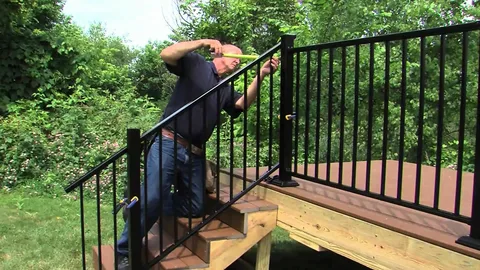
Staircases are an important architectural feature in many homes and commercial properties. Along with connecting different levels, they contribute to the overall appearance and layout of an interior. A well-designed railing can improve safety, provide reliable support, and complement the surrounding décor. Choosing suitable materials and finishes helps create a staircase that is both functional and visually appealing.
Choosing the Right Stair Railing Design
Stair railings come in a variety of styles, making it possible to match different architectural preferences. Traditional wood railings can create a warm, classic appearance, while metal designs often suit contemporary interiors. Glass railings provide an open look that allows light to travel through the space. When planning Stair Railing Installation Roseville CA, homeowners should consider the staircase’s dimensions, the property’s style, maintenance requirements, and the level of support the railing needs to provide.
Understanding Material Options
The material selected for a railing affects its durability, appearance, and ongoing maintenance. Wood offers a natural finish and can be stained or painted to coordinate with other interior features. Metal options, including steel and aluminum, provide different design possibilities and may suit both indoor and outdoor applications. Glass panels can create a modern appearance, but they require compatible hardware and appropriate safety glazing. Comparing the benefits of each material helps homeowners select an option that suits their needs.
Prioritizing Safety and Stability
A stair railing should provide dependable support whenever someone uses the staircase. Secure attachment points, suitable handrail dimensions, and properly spaced balusters are important considerations. The railing must be designed for the staircase’s configuration and installed according to applicable building codes. Requirements can vary depending on the property’s location and the type of staircase, so checking local regulations before beginning the project is essential.
Improving the Appearance of Your Staircase
Railings can become a defining feature of an interior when their design complements nearby finishes. A wood handrail may coordinate with hardwood flooring, while dark metal can create contrast against light-colored walls. Glass panels can help a compact staircase feel less enclosed, and simple railing profiles can suit minimalist interiors. Coordinating the railing with stair treads, flooring, lighting, and surrounding trim creates a more cohesive appearance.
Planning for a Smooth Installation
Before installation begins, the staircase should be measured carefully and inspected for suitable mounting surfaces. The design should account for changes in elevation, landings, turns, and transitions between stair sections. Choosing the appropriate brackets, fasteners, and support posts is equally important. Careful preparation helps ensure that the railing fits correctly and remains stable during everyday use.
Maintaining Your Stair Railing
Regular maintenance can help preserve both the appearance and functionality of a railing. Wood surfaces may need occasional refinishing, while metal components should be checked for corrosion or loose connections. Glass panels benefit from routine cleaning and inspections of their mounting hardware. Homeowners should address movement, damaged components, or loose fasteners promptly rather than waiting for the problem to worsen.
Selecting a Railing for Long-Term Use
The right railing balances safety, durability, and design. Homeowners should consider who uses the staircase, how frequently it is used, and whether the railing will be exposed to outdoor conditions. These factors can help guide decisions about materials, finishes, and maintenance needs. A carefully planned railing can provide reliable support while enhancing the character of the property.
Creating a Safer and More Attractive Staircase
A well-installed stair railing improves the usability of a staircase while adding a finishing detail to the surrounding space. By choosing suitable materials, confirming safety requirements, and planning the installation carefully, property owners can achieve a result that complements their home or business. Thoughtful design and regular upkeep help keep the railing attractive and functional for years to come.