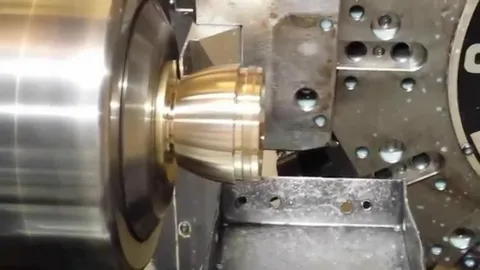
CNC machining brass is one of the most widely used manufacturing processes in modern industries due to its precision, durability, and versatility. Brass, an alloy of copper and zinc, is known for its excellent machinability and corrosion resistance, making it ideal for producing complex and high-performance components. From automotive systems to electronics and plumbing fixtures, CNC machining brass parts plays a crucial role in delivering reliable and long-lasting products.
In this article, we will explore everything you need to know about CNC machining brass parts, including its advantages, applications, machining process, and key considerations. Whether you are an engineer, manufacturer, or simply curious about modern machining technologies, this guide will provide valuable insights into how cnc machining brass works and why it is so important in today’s industrial landscape.
Understanding CNC Machining Brass and Its Properties
CNC machining brass refers to the process of using computer numerical control (CNC) machines to shape brass into precise components. The process involves automated cutting tools that follow programmed instructions to achieve high accuracy and repeatability. Brass is particularly suitable for CNC machining because it is soft enough to machine easily while still maintaining structural strength.
The material properties of brass make it highly desirable in engineering applications. It offers low friction, excellent electrical conductivity, and resistance to corrosion, which is why it is commonly used in electrical connectors, valves, and fittings. Additionally, cnc machining brass ensures tight tolerances and smooth finishes, reducing the need for extensive post-processing.
Key advantages of brass in CNC machining:
- Excellent machinability with minimal tool wear
- High corrosion resistance in different environments
- Good electrical and thermal conductivity
- Smooth surface finish without extra polishing
- Suitable for complex and detailed components
The CNC Machining Brass Process Explained
The cnc machining brass process begins with a digital design created using CAD (Computer-Aided Design) software. This design is then converted into a CNC program that guides the machine’s cutting tools. The machine removes excess material from a solid brass block or rod until the final shape is achieved with high precision.
Different CNC operations such as milling, turning, drilling, and tapping are used depending on the part’s complexity. Advanced CNC machines can operate on multiple axes, allowing manufacturers to produce highly detailed and intricate brass components in a single setup.
Steps involved in cnc machining brass:
- Creating a CAD model of the part
- Converting the design into CNC machine code (CAM programming)
- Selecting the appropriate brass grade
- Performing machining operations (cutting, drilling, shaping)
- Finishing and quality inspection
This automated process ensures consistency across large production runs and significantly reduces human error, making cnc machining brass ideal for both prototyping and mass production.
Advantages of CNC Machining Brass Parts
One of the biggest reasons industries rely on cnc machining brass is its wide range of advantages. Brass is not only easy to machine but also produces highly accurate and durable components. This makes it a preferred material for industries that demand precision and reliability.
Another major advantage is cost efficiency. Since brass is easy to cut and shape, machining time is reduced, which lowers production costs. Additionally, the minimal wear on cutting tools helps manufacturers save on maintenance and replacement expenses.
Key benefits of CNC machining brass:
- High dimensional accuracy and tight tolerances
- Cost-effective production for both small and large batches
- Reduced machining time due to soft material properties
- Excellent durability and long service life of parts
- Minimal finishing required after machining
These advantages make cnc machining brass a smart choice for industries such as automotive, aerospace, electronics, and plumbing, where performance and precision are critical.
Common Applications of CNC Machining Brass Parts
CNC machining brass parts are used in a wide variety of industries due to their strength, conductivity, and corrosion resistance. In the electrical industry, brass components are widely used in connectors, terminals, and switches because of their excellent electrical conductivity.
In plumbing and mechanical systems, brass fittings and valves are preferred for their ability to withstand water pressure and resist rust. Similarly, the automotive industry uses cnc machining brass for gears, sensors, and engine components that require durability and precision.
Typical applications include:
- Electrical connectors and switch components
- Plumbing fittings, valves, and pipe joints
- Automotive sensors and precision engine parts
- Musical instrument components
- Industrial machinery parts and fasteners
The versatility of cnc machining brass ensures it remains a critical material across multiple industries, especially where performance and reliability are essential.
Key Considerations When Using CNC Machining Brass
While cnc machining brass offers many benefits, there are several important factors to consider during the manufacturing process. One key consideration is selecting the right type of brass alloy, as different compositions can affect machinability and final performance.
Another important factor is tool selection and machining parameters. Even though brass is easy to machine, improper cutting speeds or tools can still lead to defects or reduced surface quality. Therefore, experienced operators and optimized CNC programming are essential for achieving the best results.
Important considerations include:
- Choosing the correct brass alloy for the application
- Setting proper cutting speed and feed rate
- Using high-quality cutting tools for better precision
- Ensuring proper cooling and lubrication during machining
- Performing quality inspection after production
By carefully managing these factors, manufacturers can maximize efficiency and produce high-quality cnc machining brass parts that meet strict industrial standards.
Conclusion
CNC machining brass is a highly efficient and reliable manufacturing process that delivers precision, durability, and versatility across a wide range of industries. From electrical components to automotive and plumbing systems, brass parts play a vital role in modern engineering applications. The combination of excellent machinability and strong material properties makes cnc machining brass a preferred choice for both small-scale and large-scale production.
As technology continues to advance, CNC machining will become even more precise and automated, further improving the quality and efficiency of brass component manufacturing. Understanding the process, benefits, and applications of cnc machining brass helps businesses make informed decisions and achieve better performance in their products.