Sufficient sleep is essential for restoring energy levels, enhancing brain function, and promoting healthy living; but, many people are unaware of how sleep disorders affect their health. One of the most severe of these sleep disorders is Sleep Apnea which causes interruption of normal breathing patterns while sleeping, and can lead to severe long-lasting medical issues if left untreated.
In this guide, we will look at what Sleep Apnea is, how it can be diagnosed, what modern-day methods of diagnosis exist, and current treatment options available. We also will look at how BreatheNest is providing innovative solutions to make access to testing and treatment for Sleep Apnea more convenient.
What is Sleep Apnea?
Sleep apnea is a sleep disorder where a person has periodic disruptions in breathing while sleeping. These interruptions can last from a matter of seconds to a minute and can occur many times throughout the night.
Sleep apnea decreases the amount of oxygen that can get to the body, which forces the brain to wake up momentarily to restore breathing. Most people with sleep apnea do not know that the interruptions happen; however, they usually awaken in the morning tired and not refreshed.
It is necessary to have an understanding of sleep apnea and how it is treated since untreated sleep apnea could possibly impair your heart, brain, metabolism and mental health.
Types of Sleep Apnea
Sleep apnea is mainly classified into three types:
1. Obstructive Sleep Apnea (OSA)
This is the most common type. It occurs when throat muscles relax excessively during sleep, blocking the airway. Modern obstructive sleep apnea detection methods help identify airway collapse patterns early for better treatment planning.
2. Central Sleep Apnea
This happens when the brain fails to send proper signals to the muscles that control breathing.
3. Complex Sleep Apnea
A combination of both obstructive and central sleep apnea.
Common Symptoms of Sleep Apnea
Sleep apnea often goes unnoticed for years. Some common symptoms include:
- Loud and chronic snoring
- Gasping or choking during sleep
- Excessive daytime sleepiness
- Morning headaches
- Poor concentration and memory issues
- Irritability and mood changes
If these symptoms persist, early screening is highly recommended.
How to Detect Sleep Apnea
Traditionally, sleep apnea is diagnosed through a sleep study in a clinical setting. However, advancements in technology now offer more accessible options.
Face Scan Sleep Apnea Test
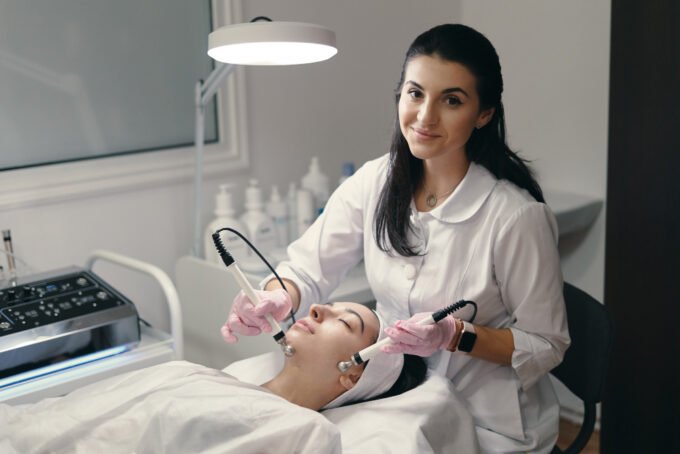
Modern diagnostic innovation includes the face scan sleep apnea test, which analyzes facial structure, airway risk, and breathing patterns using non-invasive imaging technology. This helps identify individuals at high risk of sleep apnea without complex procedures.
How to Detect Sleep Apnea at Home
Many people wonder about how to detect sleep apnea at home without a sleep study. While a confirmed diagnosis requires medical evaluation, early signs can be observed at home using simple indicators:
- Monitoring snoring patterns
- Tracking breathing pauses during sleep
- Using wearable sleep tracking devices
- Recording daytime fatigue levels
These methods help in early suspicion, but they should always be followed by professional evaluation for confirmation.
Sleep Apnea Test Without Hospital Visit
With digital healthcare advancements, it is now possible to access a sleep apnea test without hospital visit. Home-based sleep testing devices allow patients to monitor breathing, oxygen levels, and sleep quality in their own environment.
BreatheNest offers advanced home sleep testing solutions that provide accurate insights without the discomfort of hospital stays. These tests are especially helpful for individuals with mobility issues or those who prefer private at-home diagnostics.
Causes and Risk Factors
Several factors can increase the risk of sleep apnea:
- Obesity or excess neck fat
- Narrow airway structure
- Smoking and alcohol consumption
- Age-related muscle relaxation
- Family history of sleep disorders
Lifestyle and anatomical factors often work together to increase risk.
Health Risks of Untreated Sleep Apnea
Ignoring sleep apnea can lead to serious health complications, including:
- High blood pressure
- Heart disease and stroke
- Type 2 diabetes
- Poor mental health
- Chronic fatigue and accidents
This is why early diagnosis and proper Sleep Apnea and Its Treatment is essential.
Sleep Apnea Treatment Options
Treatment depends on severity and type of condition. Common options include:
1. Lifestyle Changes
- Weight loss
- Avoiding alcohol before sleep
- Changing sleep position
2. CPAP Therapy
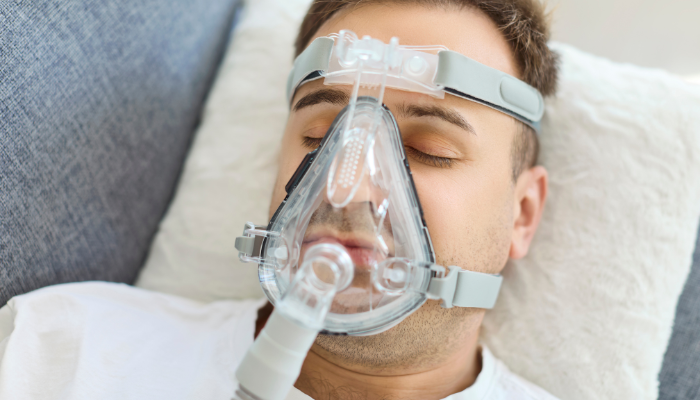
A Continuous Positive Airway Pressure (CPAP) machine keeps airways open during sleep.
3. Oral Appliances
Dental devices that help maintain airway position.
4. Surgical Options
Recommended in severe cases with structural airway issues.
5. Home-Based Monitoring & Care
With brands like BreatheNest, patients can now track and manage sleep health more conveniently at home.
Why Early Diagnosis Matters
Early detection significantly improves treatment outcomes. Delaying diagnosis can worsen symptoms and increase the risk of long-term complications.
Innovative tools like face scan sleep apnea test, at-home monitoring, and remote sleep testing are transforming the way sleep disorders are identified and treated.
Conclusion
Sleeping disorders do not always include snoring but are often an indication that something may be wrong with your health. The quality of life and overall longevity are two reasons for addressing any form of sleeping disorder.
New diagnostic technologies and weekend home sleeping tests have simplified and improved lab sleep testing by providing people with more options and more ways to get tested for sleep apnea.
BreatheNest provides both a safe, convenient way for people to monitor their sleeping habits (with appropriate oversight) and the ability for them to monitor their progress through comprehensive sleep testing.
If you think you have a sleeping disorder, schedule an early screening appointment today. The sooner you start your treatment, the better your outcomes and potential improvements to your life.