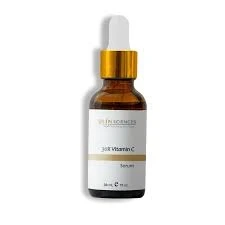
A glowing complexion is not achieved overnight. Healthy skin is the result of consistent care, quality ingredients, and products that address your skin’s unique needs. Among the many active ingredients available today, Vitamin C stands out as one of the most researched and trusted antioxidants in skincare. It is widely recognized for helping improve skin radiance, supporting collagen formation, and protecting against everyday environmental stressors.
If you’re searching for Everything You Need to Know About Vitamin C Serum for Healthy Skin, you’re likely looking for practical information rather than marketing promises. This guide explains how this powerhouse ingredient works, who can benefit from it, how to use it correctly, and what to look for when choosing a product. At Skin Sciences, we believe that skincare should be simple, evidence-based, and designed to support healthy skin over the long term.
Why Your Skin Benefits from Antioxidants
Your skin is exposed to numerous external factors every day, including sunlight, pollution, dust, heat, and changing weather conditions. These environmental elements generate unstable molecules known as free radicals, which can weaken the skin’s natural protective barrier over time.
Antioxidants help neutralize these molecules before they contribute to visible skin concerns. Vitamin C is one of the most effective antioxidants used in modern skincare because it not only protects the skin but also supports a brighter and more even-looking complexion.
Using antioxidant-rich products consistently can help maintain healthier skin while complementing a complete skincare routine.
What Does Vitamin C Do for the Skin?
Vitamin C is a multifunctional ingredient that supports several important skin processes simultaneously.
Unlike basic moisturizers that primarily replenish water, this antioxidant helps improve the skin’s overall appearance by encouraging natural collagen production, reducing the appearance of discoloration, and protecting against oxidative stress.
Its ability to target multiple concerns makes it suitable for people who want brighter, smoother, and healthier-looking skin without using a complicated skincare routine.
Major Benefits of Vitamin C
Encourages a More Radiant Complexion
Daily exposure to pollution, UV rays, and dead skin cell buildup can make the complexion appear tired and dull.
Regular application of a well-formulated Vitamin C serum may gradually improve skin brightness, leaving the face looking fresher and more vibrant.
Helps Improve Uneven Skin Tone
Dark spots can develop after acne breakouts, excessive sun exposure, or inflammation.
Vitamin C helps support a more balanced complexion by reducing the appearance of pigmentation over time, including:
- Post-acne marks
- Mild sun spots
- Uneven skin tone
- Surface discoloration
Visible improvement requires consistent use and patience.
Supports Natural Collagen Formation
Collagen is a protein responsible for maintaining skin firmness and elasticity.
As collagen production naturally slows with age, skin may begin to lose its youthful appearance. Vitamin C contributes to the collagen synthesis process, helping skin maintain a smoother and firmer look over time.
Although skincare cannot completely stop aging, supporting collagen is an important step toward healthier skin.
Provides Daily Environmental Protection
Pollution and ultraviolet exposure generate oxidative stress that affects skin health.
When combined with a broad-spectrum sunscreen, antioxidant skincare provides additional defense against daily environmental damage.
This combination is especially useful for people living in urban environments where pollution levels are higher.
Understanding the Different Forms of Vitamin C
Not every skincare product contains the same type of Vitamin C. Different derivatives offer unique advantages depending on formulation and skin sensitivity.
L-Ascorbic Acid
This is the purest and most extensively researched form.
It is known for delivering effective antioxidant activity and brightening benefits but requires proper packaging to maintain stability.
Sodium Ascorbyl Phosphate
A stable derivative that is often recommended for oily, blemish-prone, or sensitive skin.
It offers antioxidant protection while reducing the likelihood of irritation.
Magnesium Ascorbyl Phosphate
This water-soluble form combines brightening benefits with additional hydration, making it suitable for dry skin.
Tetrahexyldecyl Ascorbate
An oil-soluble derivative that penetrates efficiently while remaining stable within cosmetic formulations.
Its gentle nature makes it appropriate for many different skin types.
Ingredients That Complement Vitamin C
Modern skincare products often combine multiple active ingredients to deliver broader benefits.
Hyaluronic Acid
This powerful humectant attracts moisture into the skin, improving hydration and helping the complexion appear plumper.
The combination of hydration and antioxidant protection creates a balanced skincare routine.
Vitamin E
Vitamin E works alongside Vitamin C by strengthening antioxidant activity while supporting the skin barrier.
These ingredients are commonly paired in premium facial serums.
Ferulic Acid
Ferulic Acid improves formulation stability and enhances the performance of antioxidant ingredients.
Products containing this combination often maintain their effectiveness for longer periods.
Niacinamide
Niacinamide Serum supports the skin barrier, improves texture, and helps regulate excess oil.
Current research indicates that these ingredients can be incorporated into the same skincare routine without compromising effectiveness.
Selecting the Right Product for Your Skin Type
Dry Skin
People with dry skin should choose formulas that combine antioxidants with deeply hydrating ingredients, including:
- Hyaluronic Acid
- Ceramides
- Glycerin
- Squalane
- Panthenol
These ingredients help replenish moisture while strengthening the skin barrier.
Oily Skin
Lightweight, fast-absorbing serums are generally more comfortable for oily skin.
Look for products labeled as non-comedogenic to minimize the risk of clogged pores.
Combination Skin
Combination skin benefits from balanced formulations that hydrate dry areas without increasing oil production.
Gel-based moisturizers paired with lightweight antioxidant serums often work well.
Sensitive Skin
Individuals with sensitive skin should begin with gentle formulations containing stable derivatives and gradually increase usage after performing a patch test.
How to Include Vitamin C in Your Daily Routine
Using products in the correct order helps improve their overall performance.
Morning Routine
- Cleanse using a gentle facial cleanser.
- Apply your antioxidant serum.
- Follow with a hydrating moisturizer.
- Finish with broad-spectrum sunscreen.
Morning use helps defend the skin against environmental stress throughout the day.
Evening Routine
If preferred, antioxidant products can also be incorporated into an evening routine.
After cleansing, apply the serum before moisturizing to help support overnight skin recovery.
Common Mistakes That Limit Results
Even quality skincare products may produce disappointing results if used incorrectly.
Avoid these common errors:
- Applying too much serum
- Using products inconsistently
- Forgetting sunscreen during daytime
- Storing products in direct sunlight
- Combining too many active ingredients at once
- Expecting dramatic improvements within a few days
Healthy skin develops through regular care rather than quick fixes.
How Soon Can You Expect Results?
Some users notice improved hydration and smoother skin within the first week when products contain moisturizing ingredients.
Visible improvements in brightness and pigmentation generally require four to eight weeks of consistent application.
Support for collagen formation is gradual and depends on continued use over several months.
Patience and consistency remain essential for long-term improvement.
Is Vitamin C Suitable for Daily Use?
For most people, yes.
Individuals new to active skincare ingredients should begin slowly by applying the product every other day before increasing frequency.
If irritation develops, reduce usage or consult a qualified dermatologist for personalized advice.
Skin Sciences- Science Meets Everyday Skincare
At Skin Sciences, our goal is to create skincare solutions that combine trusted scientific research with practical everyday use. We understand that consumers in Pakistan experience unique environmental challenges, including intense sunlight, humidity, pollution, and seasonal dryness.
Our carefully developed formulations are designed to support hydration, strengthen the skin barrier, and improve overall skin appearance without unnecessary complexity. By focusing on high-quality ingredients and balanced formulations, Skin Sciences helps you build a skincare routine that delivers lasting benefits rather than temporary results.
Final Thoughts
Vitamin C remains one of the most valuable skincare ingredients because of its ability to address several common skin concerns at once. It supports brighter-looking skin, promotes collagen production, helps improve the appearance of uneven pigmentation, and provides antioxidant protection against everyday environmental damage.
At Skin Sciences, we believe that lasting skin health comes from choosing effective ingredients, following a consistent routine, and protecting your skin every day. Pairing an antioxidant-rich serum with a gentle cleanser, a hydrating moisturizer, and daily sunscreen creates a well-rounded skincare routine that can help your complexion look healthier, smoother, and more radiant for years to come.
Frequently Asked Questions
Can Vitamin C be used every day?
Yes. Most formulations are suitable for daily use when introduced gradually and applied according to product instructions.
Does Vitamin C replace sunscreen?
No. It provides antioxidant support but should always be used alongside broad-spectrum sunscreen for complete daytime protection.
Can it help improve acne marks?
Consistent use may gradually reduce the appearance of post-acne pigmentation and promote a more even complexion.
Which skin type benefits the most?
Dry, oily, combination, and sensitive skin can all benefit when the correct formulation is selected.
Should beginners start with high concentrations?
No. Lower concentrations are generally recommended initially to allow the skin time to adjust.