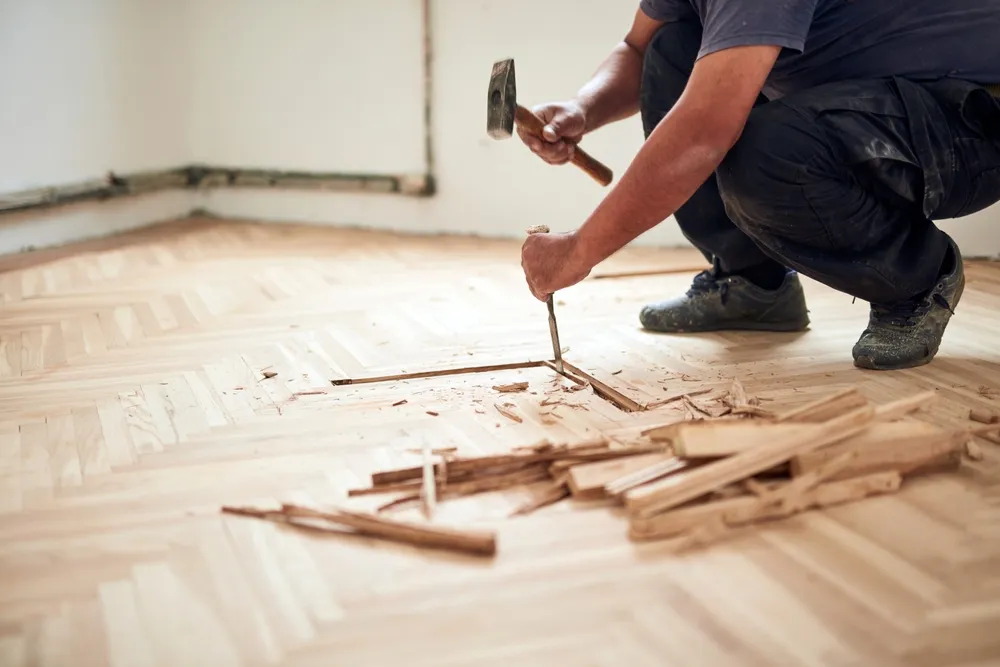
Floors experience constant use, from daily foot traffic and furniture movement to spills, dropped objects, and changes in temperature or humidity. Over time, these conditions can lead to scratches, cracks, loose boards, uneven surfaces, and other visible defects. Floor Repairs can restore damaged areas and make rooms safer and more comfortable to use. The right repair method depends on the flooring material, the extent of the damage, and the condition of the surface underneath. Examining these factors first helps determine whether a localized fix is suitable or a larger section needs attention.
Find the Cause of Floor Damage
Visible floor damage does not always reveal the underlying problem. A cracked tile may result from an uneven subfloor, while separating wood boards could be affected by moisture or changes in the indoor environment. Effective Floor Repairs begin with examining the affected area and considering why the defect developed. Water leaks, loose installation, excessive movement, and worn materials can all contribute to deterioration. Correcting the original cause is important because covering a damaged surface without addressing the underlying condition may allow the problem to return.
Repair Scratches and Dents in Hardwood
Hardwood floors can develop scratches, dents, worn finishes, and small gaps through everyday use. The appropriate repair depends on the wood species, finish, and depth of the damage. Floor Repairs in Dallas for hardwood may involve filling minor defects, blending surface scratches, replacing individual boards, or refinishing a larger area. Deep damage may require more extensive work than a surface treatment. Matching the existing wood color and finish is important when repairing a visible section, particularly in open rooms where differences in appearance can be noticeable under natural light.
Replace Cracked or Loose Tiles
Tile flooring can remain attractive for years, but cracked pieces, loose tiles, damaged grout, and uneven sections can develop over time. These problems may be linked to impact damage, installation defects, moisture, or movement beneath the floor. Floor Repairs involving tile should address both the damaged surface and the condition of the supporting layer. A replacement tile needs to match the surrounding pattern, thickness, and general appearance as closely as possible. If several tiles are loose or cracked in the same area, the underlying installation may need further evaluation before replacement begins.
Correct Problems With Laminate Flooring
Laminate floors can experience chipped edges, lifted joints, surface scratches, swelling, and separation between planks. Moisture exposure is especially important because some laminate products can become permanently distorted after water reaches the core material. Floor Repairs may involve replacing individual planks, correcting installation issues, or addressing the moisture source before new material is fitted. Minor surface marks may require a different approach from swollen or broken sections. Identifying the product type and installation method helps determine which repair options are practical without disturbing more flooring than necessary.
Fix Uneven or Squeaky Floorboards
Uneven surfaces and squeaking sounds can affect comfort and may indicate movement within the floor assembly. Loose fasteners, gaps between boards and supports, subfloor movement, or changes in moisture conditions can contribute to these issues. Suitable Floor Repairs depend on locating the source of the movement rather than simply treating the visible symptom. Some problems can be corrected by securing loose sections, while others may require attention to the subfloor or supporting structure. Significant sagging, sudden changes in floor level, or signs of structural damage should be evaluated by an appropriately qualified professional.
Address Water-Damaged Flooring
Water can affect many types of flooring, including hardwood, laminate, carpet, vinyl, and tile installations. Signs of damage may include discoloration, swelling, soft spots, lifting edges, unpleasant odors, or deterioration around seams. Floor Repairs should not begin until the source of unwanted moisture has been addressed and the affected area has been assessed. Depending on the material and extent of exposure, drying, cleaning, replacement, or further inspection may be necessary. Flooring that remains damp can conceal damage beneath the visible surface, so it is important not to install new materials over an inadequately dried area.
Restore Vinyl and Resilient Floor Surfaces
Vinyl flooring is used in kitchens, bathrooms, laundry rooms, and other areas because it comes in a variety of designs and is generally easy to clean. However, it can develop tears, cuts, loose edges, dents, or separation at seams. Floor Repairs for vinyl may involve repairing a localized defect, securing loose material, or replacing a damaged plank or sheet section. The correct method depends on the product, adhesive, installation system, and condition of the subfloor. Matching the existing pattern and thickness can help the repaired area blend into the surrounding surface.
Prepare the Subfloor for Lasting Results
The subfloor provides support for the finished flooring, so its condition can affect the durability of the entire installation. Soft areas, moisture damage, loose panels, and uneven sections may cause problems that continue even after the visible flooring has been repaired. Successful Floor Repairs may therefore require work beneath the surface, including correcting uneven areas, securing loose sections, or replacing deteriorated material. The preparation method should suit the flooring product and the building’s construction. A stable, clean, and appropriately prepared base helps the finished floor sit correctly and reduces the likelihood of recurring defects.
Maintain Your Floors After Repairs
Once the damaged flooring has been restored, regular care can help preserve the results. Use cleaning products suitable for the material, place protective pads beneath furniture, and clean spills promptly. Avoid dragging heavy objects across finished surfaces, and follow the manufacturer’s guidance for moisture control and routine cleaning. Floor Repairs can address existing damage, but monitoring new scratches, loose sections, cracks, or changes in surface level can make future problems easier to manage. With suitable repair methods and consistent care, flooring can remain attractive, comfortable, and functional throughout the home or commercial property.