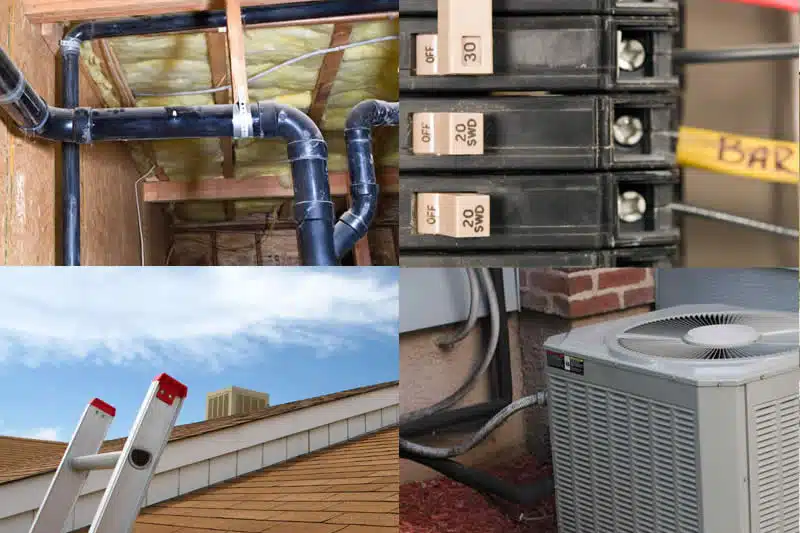
Buying a home, renewing an insurance policy, or maintaining an older property often requires a closer look at the building’s major systems. A four point inspection focuses on four important areas of a house: the roof, electrical system, plumbing system, and heating, ventilation, and air conditioning system. This assessment helps homeowners and insurance providers understand the visible condition of these components and identify potential concerns.
Many older homes continue to serve their owners well, but aging materials and outdated systems can create maintenance challenges. A four point inspection provides useful information about these areas without replacing a full home inspection. Understanding what inspectors examine, how to prepare, and what happens after the assessment can help homeowners make informed decisions about their property.
What Is a Four Point Inspection
A four point inspection is a limited property assessment that focuses on four major home systems. It is commonly requested by insurance companies when evaluating certain older homes or reviewing an insurance application or renewal. The specific requirements depend on the insurer, property, and location.
Unlike a full home inspection, this assessment does not usually cover every part of the building in detail. Instead, it concentrates on the roof, electrical system, plumbing, and HVAC equipment. The inspector documents visible conditions and may identify issues that require repair, replacement, or further evaluation.
A four point inspection can help provide a snapshot of a home’s current condition. However, it does not guarantee that every defect will be found, especially when components are hidden behind walls, ceilings, or other finished surfaces.
Roof Inspection and Condition
The roof is the first major area reviewed during a four point inspection. It protects the house from rain, wind, sunlight, and other weather conditions. Damaged roofing materials or deteriorating flashing may allow water to enter the building and affect ceilings, walls, insulation, and other components.
The inspector may review visible roofing materials, signs of leaks, previous repairs, and evidence of deterioration. Depending on accessibility and the inspection requirements, the assessment may also consider the roof’s general condition and estimated remaining useful life.
Homeowners should pay attention to missing shingles, damaged tiles, water stains, and recurring leaks. These signs may indicate that repairs or further evaluation are needed. Roof age can also be important for insurance purposes, although acceptance standards vary among insurers.
A four point inspection in Port St Joe is not a guarantee that a roof will remain problem-free. If the assessment reveals significant damage or uncertainty about the roof’s condition, a separate roofing inspection may provide more detailed information.
Electrical System Assessment
The electrical system is another important part of the inspection because electrical defects can create safety risks. Inspectors may review the accessible electrical panel, visible wiring, breakers, and other components included in the assessment.
They may look for signs of deterioration, damaged wiring, improper modifications, missing covers, or other visible concerns. Older electrical equipment may also require closer evaluation depending on its type and condition. The presence of an older system does not automatically mean it is unsafe, but its condition and suitability should be considered carefully.
Homeowners should tell the inspector about known electrical problems, such as frequently tripping breakers, unusual burning smells, or damaged outlets. If there are signs of overheating, smoke, or exposed live wiring, avoid touching the affected components and seek qualified electrical assistance promptly.
A standard four point inspection does not replace a complete electrical evaluation. When concerns are identified, a licensed electrician may need to perform additional testing and recommend appropriate repairs.
Plumbing System and Visible Components
Plumbing problems can cause water damage, increase maintenance costs, and affect the condition of a home. Leaking pipes, deteriorated connections, damaged fixtures, and signs of previous water intrusion may be documented during a four point inspection.
The inspector may review accessible supply lines, visible drain components, plumbing fixtures, and the water heater when included in the inspection scope. The assessment may also record the type and apparent condition of certain plumbing materials, depending on the insurer’s requirements.
Homeowners should look for water stains under sinks, damp cabinets, dripping faucets, unusual odors, and visible corrosion. Even a small leak can damage surrounding materials if it continues for a long period.
Some plumbing defects remain hidden inside walls or beneath floors. A four point inspection cannot confirm the condition of every concealed pipe or drain. If the report identifies a concern, a qualified plumber may need to investigate further and determine whether repairs or replacement are necessary.
Heating, Ventilation, and Air Conditioning
The heating, ventilation, and air conditioning system helps maintain indoor comfort and manage airflow throughout the home. Its condition can affect daily living, equipment performance, and future maintenance expenses.
During a four point inspection, the inspector may examine accessible HVAC equipment and document its general condition. Depending on the inspection requirements, this may include visible components, equipment type, apparent age, and basic operation when safe and practical.
Common concerns include visible damage, poor maintenance, unusual noises, leaking condensate lines, and signs that equipment is not operating as expected. Dirty filters and blocked vents can also affect airflow, although routine maintenance issues are not always insurance-related concerns.
Homeowners should keep service records and follow the manufacturer’s maintenance recommendations. If the system shows signs of a fault, a qualified HVAC technician can perform a more detailed evaluation. A four point inspection is not a substitute for specialized testing of heating or cooling equipment.
Why Insurance Companies Request This Inspection
Insurance providers use property information to evaluate potential risks when deciding whether to offer or renew coverage. For some older homes, the condition of the roof, electrical system, plumbing, and HVAC equipment may be particularly relevant.
A four point inspection gives an insurer information about these major systems. The findings may help the company determine whether additional documentation, maintenance, or repairs are needed before coverage can be approved or renewed.
Requirements vary by insurance provider and location. Some companies may have specific forms, documentation rules, or age-related guidelines. Others may request additional photographs or reports from qualified specialists.
Homeowners should confirm the insurer’s requirements before scheduling the assessment. This helps ensure that the inspector uses the appropriate report format and includes the information the insurance provider needs. Completing the inspection does not automatically guarantee insurance approval.
How to Prepare for a Four Point Inspection
Preparing the property can make the inspection process smoother. Homeowners should ensure that accessible areas around the electrical panel, water heater, plumbing fixtures, and HVAC equipment are clear. The inspector may also need access to areas where roof conditions or signs of water intrusion can be observed safely.
Gather available records about roof replacements, electrical upgrades, plumbing repairs, and HVAC servicing. These documents can help establish the history of the systems and provide useful background for the report.
If you know about recurring leaks, electrical problems, or equipment faults, share that information with the inspector. It is also helpful to confirm which components will be assessed and whether the inspection requires specific forms or photographs.
Do not attempt dangerous repairs simply to prepare for the appointment. Electrical work, roofing repairs, and other hazardous tasks should be handled by appropriately qualified professionals.
Understanding the Four Point Inspection Report
After the assessment, the inspector typically prepares a report documenting the visible condition of the four major systems. Depending on the required format, the report may include photographs, descriptions of materials, information about equipment age, and notes about visible defects.
If the report identifies a problem, the next step depends on its nature and severity. A roof may need repairs, a plumber may need to investigate a leak, or an electrician may need to assess an older electrical panel. Some findings may require additional documentation before the insurer can make a decision.
Homeowners should review the report carefully and ask for clarification if any information is unclear. If repairs are completed, keep invoices, permits when applicable, and supporting photographs. The insurance provider may request updated documentation or another inspection, depending on its rules.
Choosing a Qualified Inspector
Selecting the right inspector starts with understanding the insurer’s requirements. Ask whether the inspector has experience completing four point inspections and is familiar with the report format requested by your insurance company.
You should also confirm any applicable licensing or certification requirements, the inspection scope, expected turnaround time, and whether photographs are included. Clear communication can help prevent missing information or delays during the insurance review.
A qualified inspector should document observations accurately and explain when a specialist is needed. Because the assessment focuses on four systems, homeowners should not assume that it covers every structural, safety, or maintenance concern in the house.
Keep Your Home Ready for Insurance Review
A four point inspection provides a focused review of the roof, electrical system, plumbing, and HVAC equipment. It can help homeowners understand the visible condition of these systems and provide insurance companies with information needed to assess a property.
By preparing maintenance records, addressing known problems, and arranging the appropriate assessment, homeowners can make the process easier to manage. Reviewing the report and following up on important findings can also help reduce uncertainty about repair needs. Although this inspection is limited in scope, it remains a useful tool for documenting the condition of major home systems and supporting informed property and insurance decisions.