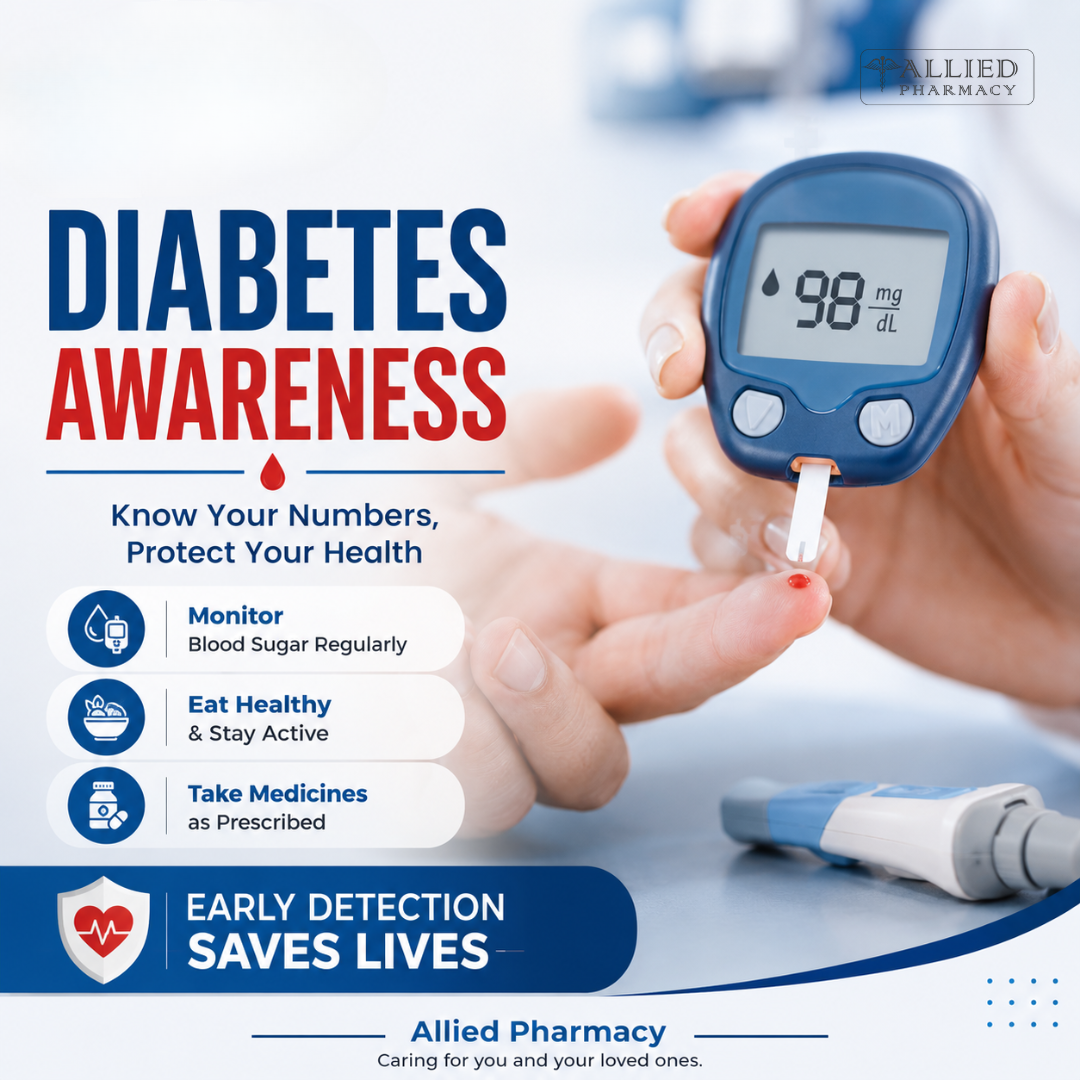
A diabetes diagnosis can feel overwhelming at first, but it does not mean you cannot enjoy a healthy, fulfilling life. With the right knowledge, lifestyle changes, and medical care, millions of people successfully manage diabetes every day. Whether you have recently been diagnosed or want to learn more about the condition, understanding diabetes is the first step toward taking control of your health.
Diabetes is a long-term medical condition that affects how your body processes glucose, commonly known as blood sugar. Glucose is the body’s primary source of energy, and insulin helps move it from the bloodstream into the cells. When the body produces too little insulin or cannot use it efficiently, glucose builds up in the blood. Over time, uncontrolled blood sugar levels can damage vital organs, including the heart, kidneys, eyes, and nerves.
The good news is that diabetes can be managed effectively through healthy eating, regular physical activity, prescribed medications, and routine medical checkups. This guide explains everything you need to know—from diagnosis to daily management—to help you live confidently with diabetes.
Understanding Diabetes
Diabetes is a chronic metabolic disorder that causes high blood sugar levels. While glucose is essential for providing energy, excessive amounts circulating in the bloodstream can gradually damage the body’s organs and tissues.
Insulin, a hormone produced by the pancreas, plays a vital role in regulating blood sugar. When insulin production is insufficient or the body’s cells become resistant to insulin, blood sugar rises above normal levels. Without proper treatment, this can lead to serious health complications over time.
Common Types of Diabetes
Type 1 Diabetes
Type 1 diabetes occurs when the immune system mistakenly attacks the insulin-producing cells in the pancreas. Because the body can no longer produce enough insulin, people with Type 1 diabetes require lifelong insulin therapy. This type often develops during childhood or adolescence, although it can occur at any age.
Type 2 Diabetes
Type 2 diabetes is the most common form of diabetes. In this condition, the body still produces insulin but cannot use it effectively. This is known as insulin resistance. It is often associated with obesity, physical inactivity, poor dietary habits, genetics, and increasing age. Fortunately, Type 2 diabetes can often be managed through lifestyle changes and medication.
Gestational Diabetes
Gestational diabetes develops during pregnancy when hormonal changes affect the body’s ability to use insulin properly. Although it usually disappears after childbirth, women who experience gestational diabetes have a higher risk of developing Type 2 diabetes later in life.
Early Signs and Symptoms
Recognizing the warning signs of diabetes is important because early diagnosis can help prevent long-term complications. Symptoms may develop gradually, particularly in Type 2 diabetes.
Common symptoms include:
- Frequent urination
- Increased thirst
- Constant hunger
- Unexplained weight loss
- Fatigue
- Blurred vision
- Slow-healing wounds
- Frequent skin infections
- Tingling or numbness in the hands and feet
If you notice these symptoms, consult a healthcare professional as soon as possible for blood sugar testing and diagnosis.
What Causes Diabetes?
Several factors contribute to the development of diabetes, depending on its type.
Type 1 diabetes is primarily caused by an autoimmune reaction that destroys insulin-producing cells in the pancreas. Researchers believe genetics and certain environmental triggers may play a role.
Type 2 diabetes develops due to a combination of lifestyle and genetic factors. Excess body weight, lack of exercise, unhealthy eating habits, family history, high blood pressure, and advancing age all increase the risk of developing the condition.
Gestational diabetes occurs because pregnancy hormones reduce the effectiveness of insulin, making it difficult for the body to maintain normal blood sugar levels.
How Diabetes Is Diagnosed
Doctors use several blood tests to diagnose diabetes accurately.
These include:
- Fasting Blood Sugar Test
- HbA1c Test
- Oral Glucose Tolerance Test
- Random Blood Sugar Test
These tests measure blood glucose levels and help healthcare providers determine whether a person has diabetes or prediabetes. Early diagnosis allows treatment to begin before serious complications develop.