Your health is one of your greatest assets, and understanding what is happening inside your body is essential for maintaining it. A full blood test is one of the most effective diagnostic tools used by healthcare professionals to evaluate your overall health, identify underlying medical conditions, and monitor ongoing treatments. Whether you are experiencing unexplained symptoms or simply taking a proactive approach to wellness, a comprehensive blood test can provide valuable insights into your body’s functioning.
Many people are unsure about what a Full Blood Test in Dubai includes, how to prepare for it, or what the results actually mean. This guide answers those questions while helping you understand why routine blood testing plays an important role in preventive healthcare.
What Is a Full Blood Test?
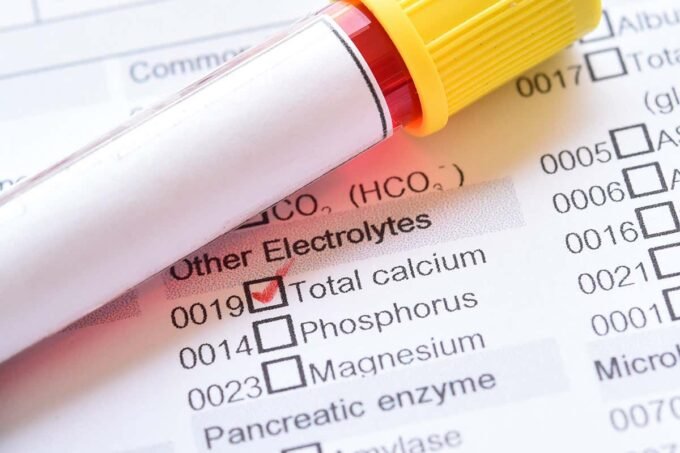
A full blood test is a laboratory analysis of a blood sample that measures different components of your blood. It helps healthcare providers assess your general health and detect a wide range of conditions before symptoms become severe.
Unlike tests that focus on a single health concern, a complete blood examination evaluates multiple markers at once. Depending on your medical history and symptoms, your healthcare provider may also recommend additional blood screening to gain a more detailed understanding of your health.
A standard full blood test often includes:
-
Complete Blood Count (CBC)
-
Red blood cell count
-
White blood cell count
-
Platelet count
-
Haemoglobin levels
-
Haematocrit
-
Liver function tests
-
Kidney function tests
-
Blood glucose levels
-
Cholesterol profile
-
Electrolytes
-
Iron studies
-
Vitamin B12 and Vitamin D levels
-
Thyroid function tests
These markers work together to create a comprehensive picture of your body’s overall condition.
Why Is a Full Blood Test Important?
Many health conditions develop gradually without noticeable symptoms. A full blood test helps identify potential problems at an early stage, making treatment more effective and reducing the risk of complications.
Routine blood testing can assist in detecting:
-
Anaemia
-
Infections
-
Diabetes
-
High cholesterol
-
Liver disease
-
Kidney disease
-
Thyroid disorders
-
Vitamin deficiencies
-
Inflammatory conditions
-
Blood disorders
Early diagnosis often leads to better treatment outcomes and improved long-term health.
Who Should Consider Getting a Full Blood Test?
Although blood tests are commonly requested when someone feels unwell, they are equally valuable for healthy individuals.
A full blood test may be recommended if you:
-
Experience persistent fatigue
-
Have unexplained weight changes
-
Frequently suffer from infections
-
Notice unusual bruising or bleeding
-
Have a family history of chronic diseases
-
Are managing an ongoing medical condition
-
Need a routine health assessment
-
Want to monitor nutritional status
-
Are beginning a new fitness programme
Regular health screening allows you to detect changes before they become serious medical concerns.
What Does a Full Blood Test Measure?
Understanding the different components of your blood test report can help you better interpret your results.
Red Blood Cells:
Red blood cells transport oxygen throughout the body. Low levels may indicate anaemia, while elevated levels could suggest dehydration or other underlying conditions.
White Blood Cells:
White blood cells protect your body against infection. Abnormal counts may signal bacterial infections, viral illnesses, immune disorders, or blood diseases.
Platelets:
Platelets help blood clot after an injury. Both low and high platelet counts may increase the risk of bleeding or clotting disorders.
Haemoglobin:
Haemoglobin carries oxygen from your lungs to body tissues. Reduced haemoglobin often indicates iron deficiency or anaemia.
Liver Function:
Liver enzymes help determine whether your liver is functioning properly. Abnormal levels can indicate inflammation, liver damage, or certain metabolic disorders.
Kidney Function:
Kidney function tests measure waste products such as creatinine and urea. These values help assess how effectively your kidneys filter the blood.
Blood Glucose:
Glucose testing measures blood sugar levels and is commonly used to screen for diabetes and monitor blood sugar control.
Cholesterol Levels:
A lipid profile evaluates total cholesterol, HDL, LDL, and triglycerides to assess cardiovascular health and future heart disease risk.
How to Prepare Before Your Blood Test?
Proper preparation helps ensure accurate laboratory results. While preparation depends on the specific tests ordered, some general recommendations include:
-
Follow fasting instructions if advised.
-
Drink plenty of water before the appointment.
-
Avoid excessive alcohol consumption beforehand.
-
Continue medications only if instructed by your healthcare provider.
-
Avoid strenuous exercise immediately before testing.
-
Inform your healthcare provider about supplements and medications you are taking.
Simple preparation can improve the accuracy of diagnostic testing.
What Happens During the Procedure?
A Full Blood Test is a quick and straightforward procedure performed by a trained healthcare professional.
The process usually includes:
-
Cleaning the skin with an antiseptic.
-
Applying a tourniquet around the upper arm.
-
Inserting a sterile needle into a vein.
-
Collecting blood into one or more sample tubes.
-
Removing the needle and applying pressure to the site.
Most blood sample collections take less than five minutes, and discomfort is generally minimal.
Understanding Your Blood Test Results:
Receiving your blood test report can sometimes feel overwhelming because it contains numerous medical terms and numerical values.
Each laboratory provides a reference range, representing values typically considered normal for healthy individuals. Results slightly outside these ranges do not always indicate illness, as age, sex, lifestyle, medications, and existing health conditions can influence the findings.
Your healthcare provider will evaluate your results alongside your symptoms, medical history, and physical examination before making any diagnosis.
Avoid interpreting laboratory reports without professional medical advice.
Common Reasons Results May Be Abnormal:
Several factors can influence blood test results beyond illness.
These include:
-
Dehydration
-
Pregnancy
-
Recent infections
-
Physical stress
-
Intense exercise
-
Certain medications
-
Dietary deficiencies
-
Smoking
-
Alcohol intake
For this reason, repeat testing may sometimes be recommended to confirm unusual findings.
Benefits of Regular Blood Testing:
Routine blood screening offers more than disease detection. It provides an opportunity to understand your overall wellbeing and make informed lifestyle decisions.
Regular blood testing helps:
-
Detect diseases earlier
-
Monitor treatment effectiveness
-
Evaluate organ function
-
Identify nutritional deficiencies
-
Reduce future health risks
-
Support preventive healthcare
-
Track long-term health changes
-
Provide reassurance about your wellbeing
Preventive health assessments have become an essential part of modern healthcare because many chronic diseases develop silently.
Can Lifestyle Affect Your Blood Test Results?
Absolutely. Your daily habits directly influence many blood markers.
A healthy lifestyle can improve:
-
Cholesterol levels
-
Blood sugar control
-
Liver function
-
Kidney health
-
Vitamin status
-
Inflammatory markers
-
Cardiovascular risk
Eating a balanced diet rich in fruits, vegetables, lean protein, whole grains, and healthy fats supports optimal blood health. Regular exercise, adequate hydration, quality sleep, and stress management also contribute to healthier laboratory results.
Frequently Asked Questions:
Is a full blood test painful?
Most people experience only a brief pinch during needle insertion. The discomfort usually lasts only a few seconds.
How long does it take to receive results?
Many routine blood test results are available within one to three days, although specialised tests may require additional time.
Can a full blood test detect every disease?
No. While a comprehensive blood test identifies many health conditions, some illnesses require imaging studies, specialised laboratory testing, or further clinical evaluation.
Should healthy people have routine blood tests?
Many healthcare professionals recommend periodic health screening, especially for adults with risk factors, family history, or chronic medical conditions.
Final Thoughts:
A full blood Lab tests is one of the most valuable tools for understanding your health from the inside out. By examining essential blood components and important biochemical markers, it helps identify hidden medical conditions, monitor organ function, evaluate nutritional status, and support preventive healthcare.
Whether you are investigating symptoms, managing an existing condition, or simply taking a proactive approach to wellness, regular blood testing provides meaningful information that empowers better healthcare decisions. Understanding what a full blood test includes, how to prepare, and how to interpret the results enables you to work more effectively with your healthcare provider and maintain your long-term health with confidence.