

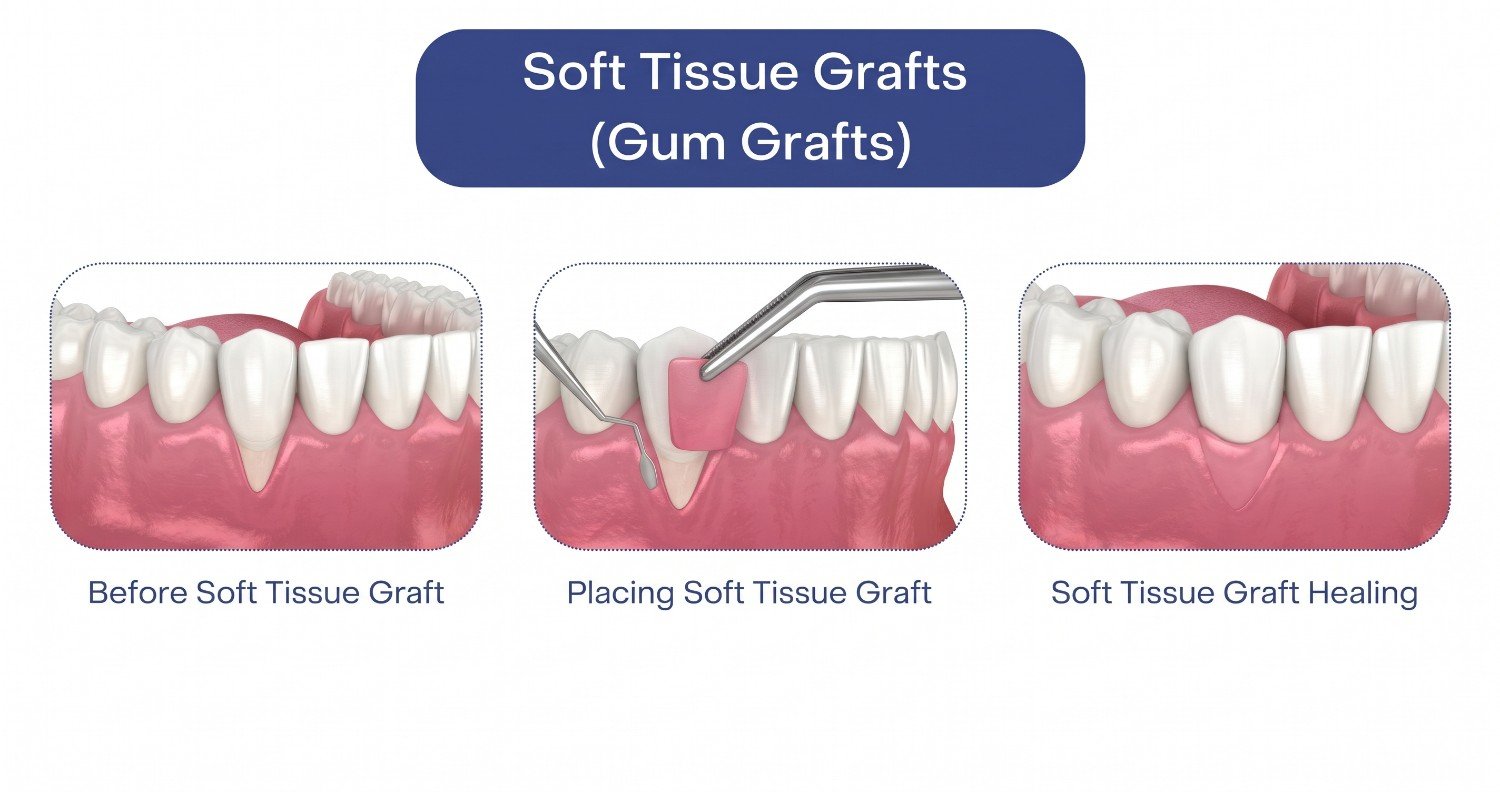
Changes in the gumline can affect both the appearance of a smile and the health of the teeth. Some people notice that their gums have moved away from certain teeth, while others feel that too much gum tissue covers their teeth. Although both concerns involve the gumline, they require different approaches. Gum Grafting in Islamabad may help patients who have insufficient gum tissue, while gum contouring can reshape excess or uneven gum tissue in selected cases.
Understanding the difference between these procedures is important because they address opposite tissue concerns. Gum grafting adds soft tissue to an area that needs additional coverage or thickness. Gum contouring changes the shape or position of existing gum tissue to create a more balanced appearance or improve access to certain tooth surfaces.
Neither procedure is suitable for everyone. A dental professional must examine the teeth, gums and supporting structures before recommending treatment. This guide explains how the procedures differ, when each may be considered and what patients should expect.
What Is Gum Grafting?
Gum grafting is a periodontal procedure that adds tissue to an area where the existing gum coverage or thickness is insufficient.
It is commonly considered for patients with gum recession. Recession occurs when the gumline moves away from the tooth and exposes part of the root surface.
The exposed area may cause sensitivity, make cleaning more difficult or create an uneven appearance. In suitable cases, grafting can increase tissue thickness and provide coverage over some exposed root surfaces.
The procedure does not simply reshape the existing gums. Instead, the clinician introduces additional tissue to improve the condition of the affected area.
What Is Gum Contouring?
Gum contouring, sometimes called gum reshaping, involves changing the outline of the gum tissue around the teeth.
Some patients have an uneven gumline or excessive gum coverage that makes their teeth appear shorter. In selected cases, a clinician may remove or reshape a small amount of gum tissue to improve tooth exposure and create a more balanced appearance.
The procedure may also be part of a restorative treatment plan when the clinician needs to expose more tooth structure.
Gum contouring is not a treatment for gum recession. Removing additional gum tissue from an already recessed area could make the problem worse.
Gum Grafting vs Gum Contouring: Key Differences
Although both procedures involve soft tissue, their purposes and techniques are different.
| Feature | Gum Grafting | Gum Contouring |
|---|---|---|
| Main purpose | Adds tissue | Reshapes existing tissue |
| Common concern | Gum recession or thin gums | Excess or uneven gum tissue |
| Tissue approach | Places additional tissue | Removes or reshapes selected tissue |
| Root exposure | May improve coverage in suitable cases | Does not treat exposed roots |
| Typical objective | Improve tissue thickness and protection | Improve gumline shape or tooth exposure |
| Suitable patients | Selected patients with insufficient gum tissue | Selected patients with excess or uneven gum tissue |
The correct choice depends on the patient’s actual gum condition, not simply how the gumline looks in a photograph.
When Might Gum Grafting Be Recommended?
A clinician may consider gum grafting when a patient has insufficient gum tissue around one or more teeth.
1. Receding Gums
Gum recession can expose the root surface and affect the appearance of the smile. A graft may help cover some of the exposed area when the surrounding anatomy supports treatment.
2. Thin Gum Tissue
Some patients naturally have thin gums. Thin tissue may be more vulnerable to recession, particularly when combined with aggressive brushing, tooth positioning or other contributing factors.
A graft may increase tissue thickness in selected areas.
3. Root Sensitivity
Exposed roots may respond to cold drinks, hot foods, brushing or touch. A graft may reduce sensitivity when it results from gum recession, although sensitivity can have other causes that require separate treatment.
4. Uneven Gum Coverage Caused by Recession
When recession affects only certain teeth, the gumline may appear uneven. A graft may improve the tissue coverage in suitable cases, although complete symmetry is not guaranteed.
5. Protection Around Vulnerable Teeth
Some patients have areas where the gum tissue is thin or difficult to maintain. The clinician may consider grafting to improve tissue thickness and support long-term periodontal care.
When Might Gum Contouring Be Recommended?
Gum contouring addresses a different problem. It may be considered when excessive or uneven gum tissue affects the appearance or accessibility of the teeth.
1. Excessive Gum Display
Some patients show more gum tissue than they would like when smiling. In selected cases, gum reshaping may improve the relationship between the visible teeth and gumline.
However, excessive gum display can have several causes, including tooth position, jaw structure and upper-lip movement. Gum contouring alone may not address every case.
2. Uneven Gum Margins
When the gumline sits at different heights around neighbouring teeth, contouring may help create a more balanced outline if excess tissue is responsible.
3. Short-Looking Teeth
Teeth may appear short because gum tissue covers more of their visible surfaces. Reshaping the gumline can sometimes expose additional tooth structure.
The clinician must first determine whether the tooth itself has normal proportions and whether enough supporting tissue is available.
4. Restorative Treatment Planning
Some restorative procedures require access to more tooth structure. A clinician may recommend gum reshaping as part of a carefully planned treatment when the existing gum position limits the restoration.
This decision requires attention to the biological structures around the tooth.
Understanding Crown Lengthening and Its Relationship to Gum Contouring
Patients sometimes confuse gum contouring with crown lengthening. The procedures can overlap, but they are not always the same.
Crown lengthening is a dental procedure that exposes more of the natural tooth structure. Depending on the case, it may involve reshaping gum tissue and adjusting the underlying bone.
It may be considered when a tooth needs additional exposed structure for a restoration or when excess gum coverage affects its appearance.
Simple gum contouring may only involve reshaping the soft tissue. Crown lengthening can require a more extensive periodontal approach.
A clinician must assess the relationship between the gumline, tooth structure and bone before choosing either treatment.
What Causes Gum Recession and Excess Gum Tissue?
Understanding the cause helps determine whether a patient needs additional tissue or reshaping.
Common Causes of Gum Recession
-
Brushing with excessive pressure.
-
Periodontal disease.
-
Naturally thin gum tissue.
-
Teeth positioned outside the normal dental arch.
-
Tobacco use.
-
Local irritation around restorations.
-
Certain anatomical features.
Factors Associated With Excess Gum Display
-
Naturally high gum coverage around the teeth.
-
Differences in tooth eruption.
-
Tooth shape and proportions.
-
Jaw development and structure.
-
Upper-lip movement.
-
Certain medications that can contribute to gum enlargement.
The cause of excess gum display matters because not every patient benefits from gum contouring. For example, a concern related mainly to jaw structure may require a different evaluation.
How Does a Dentist Decide Which Procedure Is Appropriate?
A detailed examination helps distinguish between tissue deficiency and excessive tissue coverage.
Gumline Examination
The clinician checks the position of the gum margins around each tooth. They identify whether the tissue has receded or whether excess tissue covers part of the tooth.
Gum Thickness Assessment
Thin gum tissue may influence the decision to consider grafting. The clinician also checks the quality and stability of the surrounding tissue.
Periodontal Pocket Measurements
The examination may include measurements around the teeth to evaluate gum health and identify signs of periodontal disease.
Tooth and Bone Assessment
Tooth position and supporting bone levels influence the safety and suitability of both procedures. Imaging may be recommended when clinically necessary.
Discussion of Expectations
The clinician explains what each procedure can realistically achieve. Patients should understand that improving the appearance of the gumline does not necessarily mean treating the underlying cause of a dental problem.
Types of Gum Grafting Techniques
When grafting is appropriate, the clinician selects a technique according to the treatment site and the patient’s tissue condition.
Connective Tissue Graft
This technique uses tissue collected from beneath the surface layer of the palate. The clinician places it over the affected area to improve tissue thickness and potentially cover an exposed root.
Free Gingival Graft
A small piece of tissue is collected from the palate and placed directly over the recipient site. This method is often considered when increasing the amount of firm gum tissue is the main objective.
Pedicle Graft
The clinician uses tissue from an adjacent gum area and moves it over the recession defect while keeping it attached to its original blood supply.
This approach requires sufficient healthy neighbouring tissue.
Donor Tissue Graft
In selected situations, processed donor tissue can provide an alternative to collecting tissue from the patient’s palate. The clinician determines whether this material suits the treatment objective.
What Happens During Gum Contouring?
The procedure depends on the amount of tissue that needs reshaping and the reason for treatment.
For selected cases involving soft tissue alone, the clinician may use a surgical instrument or appropriate dental technology to reshape the gumline.
If crown lengthening is required, the treatment may also involve adjustment of the supporting bone.
Local anaesthesia is commonly used when necessary. The clinician explains the procedure, expected healing and possible complications before treatment.
Patients should not assume that every uneven gumline can be corrected through simple tissue removal.
Recovery After Gum Grafting
Gum grafting involves a healing period during which the added tissue needs to stabilise and integrate with the surrounding gums.
Patients may experience tenderness, swelling or minor bleeding during the early days. If the clinician takes tissue from the palate, the donor site may also feel uncomfortable.
General recovery guidance includes:
-
Eat soft foods during the initial healing period.
-
Avoid hard or crunchy foods near the treated area.
-
Do not touch or pull at the graft.
-
Avoid brushing directly over the graft until instructed.
-
Follow prescribed rinsing and medication instructions.
-
Attend follow-up appointments.
The graft may take several weeks to heal initially and continue maturing over several months.
Recovery After Gum Contouring
Recovery depends on how much tissue the clinician reshapes and whether the procedure includes bone adjustment.
Patients may notice tenderness, swelling and temporary sensitivity. The gumline gradually heals and settles into its new shape.
During recovery, patients should follow professional instructions about brushing, eating and cleaning around the treated teeth.
If the procedure involves crown lengthening, the recovery and restoration timeline may be longer because the supporting tissues also need to stabilise.
Risks and Limitations of Both Procedures
Every surgical procedure has potential risks, and gum treatments are no exception.
Possible gum grafting risks include:
-
Swelling and discomfort.
-
Bleeding.
-
Infection.
-
Incomplete graft integration.
-
Partial rather than complete root coverage.
-
Differences in tissue colour or texture.
-
Donor-site discomfort.
Possible gum contouring risks include:
-
Bleeding and swelling.
-
Infection.
-
Gum recession or an uneven result.
-
Tooth sensitivity.
-
Changes in the appearance of the gumline.
-
Need for additional treatment if the underlying cause remains.
Patients should discuss these possibilities during the consultation. Neither procedure guarantees a particular cosmetic result.
How Much Does Gum Grafting Cost in Islamabad?
The cost of gum grafting varies according to the number of treatment areas, the selected technique and the complexity of the patient’s condition.
Important factors may include:
-
Number of teeth requiring treatment.
-
Amount of additional tissue needed.
-
Whether tissue comes from the patient’s palate or a donor source.
-
Complexity of the recession defect.
-
Need for periodontal treatment before surgery.
-
Follow-up and maintenance requirements.
For more information about the factors affecting treatment expenses, patients can visit Gum Grafting cost and discuss their individual requirements during a clinical assessment.
Gum contouring has a different treatment plan and should not be assumed to have the same cost as grafting. The clinician should provide a separate estimate based on the procedure required.
Can a Patient Need Both Gum Grafting and Gum Contouring?
In certain complex cases, a patient may have different gum concerns in separate areas of the mouth. One tooth may have recession, while another area may have excessive or uneven tissue.
A clinician may recommend different treatments for these areas. However, performing both procedures in the same treatment plan requires careful sequencing.
The priority is to maintain periodontal health and preserve the supporting structures around the teeth. Cosmetic improvements should not compromise the health or stability of the gums.
Maintaining Healthy Gum Tissue After Treatment
Long-term care helps protect the results of periodontal and cosmetic gum procedures.
Patients should:
-
Use a soft-bristled toothbrush.
-
Apply gentle pressure when cleaning near the gumline.
-
Follow the recommended flossing routine.
-
Avoid tobacco products.
-
Attend regular dental examinations.
-
Seek advice if gums bleed, swell or change in position.
-
Follow any personalised periodontal maintenance schedule.
For general dental guidance and assessment of oral health concerns, patients can consult Dental Clinic Islamabad and discuss their concerns with the dental team.
Conclusion
Gum grafting and gum contouring may both improve the condition or appearance of the gumline, but they serve different purposes. Gum grafting adds tissue where coverage or thickness is insufficient, while gum contouring reshapes existing tissue when excess or uneven gum coverage affects the teeth.
Choosing the right procedure requires an examination of the gums, teeth and supporting structures. Patients should discuss the cause of their concern, available treatment options, expected healing and possible limitations before proceeding.
A treatment plan based on periodontal health rather than appearance alone can help patients make better decisions about their long-term oral health.
Frequently Asked Questions
1. Is gum grafting the same as gum contouring?
No. Gum grafting adds tissue to areas with insufficient gum coverage or thickness. Gum contouring reshapes existing gum tissue to improve its outline or expose more tooth structure.
2. Can gum contouring fix receding gums?
No. Gum contouring does not replace lost gum tissue. Removing more tissue from an area with recession could increase root exposure.
3. Does gum grafting make teeth look longer or shorter?
A graft may improve coverage around exposed roots, which can change the appearance of the gumline. The exact cosmetic result depends on the patient’s anatomy and healing.
4. Is gum contouring suitable for a gummy smile?
It may help in selected cases where excess gum tissue causes the appearance. However, jaw position, tooth eruption and lip movement may also contribute to a gummy smile.
5. Does crown lengthening involve gum contouring?
It can involve reshaping gum tissue, but some cases also require bone adjustment. The clinician selects the appropriate approach based on the tooth and supporting structures.
6. Can gum grafting and contouring be performed together?
They may be included in a broader treatment plan when different areas have different tissue concerns. The clinician must decide the correct sequence and whether both procedures are appropriate.
7. How long does gum grafting take to heal?
Initial healing generally takes several weeks, while the tissue may continue maturing over several months. Recovery varies according to the technique and individual healing response.
8. Which procedure should I choose for an uneven gumline?
The correct procedure depends on why the gumline is uneven. Recession may require grafting in suitable cases, while excess tissue may be managed through contouring. A clinical examination is necessary to distinguish between them.