Taking charge of your health begins with staying informed, and an HIV blood test is one of the most effective ways to detect Human Immunodeficiency Virus (HIV) early. For many beginners, the idea of getting tested may feel overwhelming because of uncertainty about the process, accuracy, or results. However, modern HIV testing has become highly reliable, quick, and confidential, making it an essential part of preventive healthcare.
Millions of people worldwide benefit from routine HIV Blood Test in Dubai, allowing early diagnosis and timely treatment. Advances in medical science have made it possible for individuals diagnosed with HIV to lead long, healthy lives when the condition is detected early and managed with appropriate medical care.
This beginner’s guide explains everything you need to know about an HIV blood test, including how it works, who should consider testing, what happens during the procedure, and how to understand your results.
Understanding HIV and Why Early Detection Matters:
Human Immunodeficiency Virus attacks the body’s immune system, specifically the CD4 cells that help fight infections. If left untreated, HIV can gradually weaken immunity and progress to Acquired Immunodeficiency Syndrome (AIDS).
One of the biggest challenges is that many individuals experience no symptoms during the early stages of infection. Someone may carry the virus for years without realizing it, making regular HIV testing an important part of maintaining overall health.
Early diagnosis offers several important advantages:
-
Immediate access to medical care
-
Earlier treatment with antiretroviral therapy (ART)
-
Better protection of the immune system
-
Reduced risk of HIV transmission
-
Improved long-term quality of life
The sooner HIV is identified, the better the chances of maintaining good health.
What Exactly Is an HIV Blood Test?
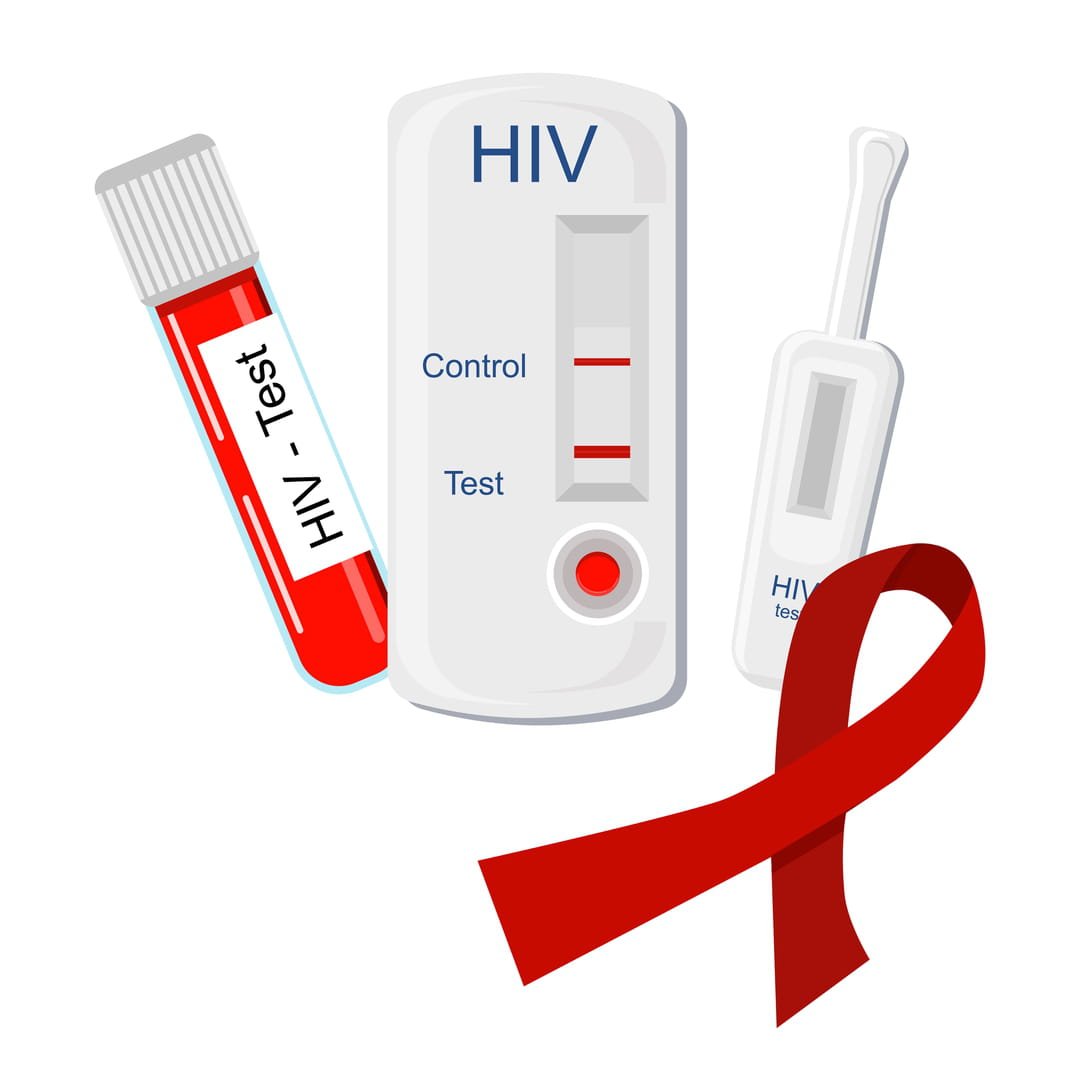
An HIV blood test is a laboratory examination that checks your blood for evidence of HIV infection. Depending on the type of test used, it may detect:
-
HIV antibodies produced by the immune system
-
HIV p24 antigen
-
HIV genetic material (RNA)
Unlike home screening kits that may use oral fluid, laboratory blood tests generally provide the highest level of diagnostic accuracy. Healthcare providers often recommend blood-based testing because it offers dependable results and helps identify infection at different stages.
Different Types of HIV Blood Tests Explained:
Not every HIV blood test works in the same way. Understanding the differences helps beginners know what to expect.
Antibody Test:
This test detects antibodies created by the body’s immune response after HIV infection. These antibodies usually appear several weeks after exposure.
Fourth-Generation Antigen and Antibody Test:
This is one of the most commonly recommended HIV screening methods today. It identifies both HIV antibodies and the p24 antigen, allowing earlier detection than antibody-only tests.
Because of its high sensitivity, this laboratory test is considered the preferred option in many healthcare settings.
Nucleic Acid Test (NAT):
A nucleic acid test directly identifies HIV RNA in the bloodstream. Although it is not routinely used for everyone, it can detect infection very early after exposure and may be recommended in specific medical situations.
Who Should Get an HIV Blood Test?
Many people mistakenly believe HIV testing is only necessary for high-risk individuals. In reality, healthcare professionals encourage routine HIV screening for a wide range of adults.
Testing is especially recommended if you:
-
Have had unprotected sexual contact
-
Have multiple sexual partners
-
Share needles or injection equipment
-
Have another sexually transmitted infection (STI)
-
Are pregnant or planning pregnancy
-
Have a partner living with HIV
-
Want regular preventive health screening
Routine HIV testing removes uncertainty and helps identify infection before complications develop.
Preparing for Your First HIV Blood Test:
One reason beginners often delay testing is the fear of complicated preparation. Fortunately, preparing for an HIV blood test is simple.
Before your appointment:
-
Bring any identification requested by the healthcare provider.
-
Inform the provider about recent HIV exposure if applicable.
-
Discuss current medications or existing medical conditions.
-
Prepare any questions regarding confidentiality or follow-up care.
Most HIV blood tests do not require fasting or dietary restrictions.
What Happens During the Testing Procedure?
The testing process is straightforward and usually completed within a few minutes.
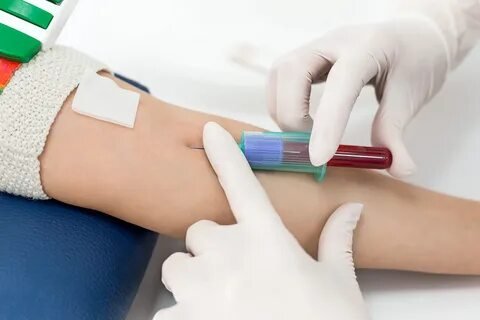
A healthcare professional will clean the skin on your arm and use a sterile needle to collect a small blood sample from a vein. Once collected, the sample is labeled and sent to a laboratory for analysis.
Most people experience only mild discomfort during blood collection, similar to any routine blood test.
Depending on the laboratory and testing method, results may be available the same day or within several days.
Understanding the HIV Window Period:
The window period is one of the most important concepts for beginners to understand.
After HIV enters the body, it takes time before laboratory tests can detect infection. During this period, a person may test negative even though the virus is present.
The length of the window period varies according to the type of HIV blood test performed. Fourth-generation HIV tests generally detect infection earlier than older antibody-only tests, while nucleic acid testing identifies infection even sooner.
If testing occurs soon after possible exposure, your healthcare provider may recommend repeat testing to confirm the result.
How Accurate Is an HIV Blood Test?
Today’s HIV blood tests are among the most accurate laboratory diagnostic tools available.
Accuracy depends on several factors, including:
-
The type of HIV test used
-
Timing of the test after exposure
-
Laboratory quality standards
-
Proper sample collection
When performed after the appropriate window period, laboratory HIV blood tests provide excellent sensitivity and specificity, significantly reducing the chances of false-positive or false-negative results.
What Do HIV Test Results Mean?
Receiving test results can feel stressful, but understanding the possible outcomes helps reduce unnecessary worry.
Negative Result:
A negative result indicates that no evidence of HIV infection was detected.
If the test was performed during the window period, additional testing may still be recommended.
Positive Result:
A positive screening result is followed by additional confirmatory laboratory testing before a diagnosis is confirmed.
If HIV infection is confirmed, healthcare providers begin developing an individualized treatment plan that includes regular monitoring and antiretroviral therapy.
Indeterminate Result:
Occasionally, results are inconclusive. This does not necessarily indicate HIV infection. Repeat laboratory testing usually provides a clear answer.
Common Questions Beginners Ask:
Is the HIV Blood Test Painful?
Only minimal discomfort is usually experienced during blood collection.
Can I Eat Before the Test?
Yes. Most HIV blood tests do not require fasting.
Are My Results Private?
Yes. HIV testing is confidential, and healthcare providers follow strict privacy regulations.
How Long Does It Take to Receive Results?
The timeline depends on the laboratory and testing method. Some rapid tests provide results quickly, while laboratory testing may require additional processing time.
Can HIV Be Treated After Diagnosis?
Yes. Modern antiretroviral therapy allows many individuals living with HIV to enjoy long, healthy, and productive lives.
Myths That Prevent People from Getting Tested:
Unfortunately, misinformation still discourages many people from seeking HIV screening.
One common myth is that only people with symptoms need testing. In reality, HIV often causes no symptoms during its early stages.
Another misconception is that a positive diagnosis means a short life expectancy. Thanks to medical advancements, individuals receiving early treatment often live for decades with good health.
Some people also believe HIV testing is not confidential, but healthcare providers are legally required to protect patient privacy.
Replacing myths with accurate information encourages responsible health decisions.
Practical Tips Before and After Testing:
Whether this is your first HIV blood test or part of your regular healthcare routine, a few practical steps can improve your experience.
Before testing, remain calm and provide accurate information about possible exposure. Honest communication helps healthcare providers recommend the most appropriate testing schedule.
After receiving your results, follow any medical advice carefully. If the result is negative but recent exposure occurred, return for repeat testing if advised. If the diagnosis is positive, begin medical care promptly to protect your immune system and overall health.
Regular communication with healthcare professionals is one of the best ways to stay informed and maintain long-term wellness.
Final Thoughts:
An HIV blood Lab tests is a simple yet powerful tool for protecting your health. Whether you are seeking reassurance, responding to possible exposure, or following routine preventive healthcare recommendations, getting tested is a responsible decision.
Understanding how HIV blood testing works, recognizing the importance of the window period, and knowing what your results mean can help eliminate fear and uncertainty. Today’s laboratory testing methods are highly accurate, confidential, and supported by advanced medical technology.
Most importantly, early HIV detection leads to earlier treatment, stronger immune health, and significantly better long-term outcomes. If you have never been tested before, consider discussing HIV screening with your healthcare provider. Knowledge, early action, and informed healthcare decisions remain the foundation of effective HIV prevention and management.